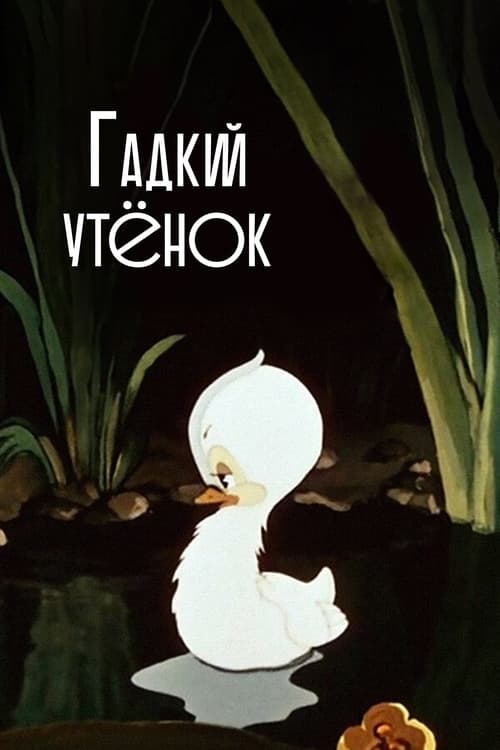
The Ugly Duckling
1956
No user ratings available yet
Representation score: 4.9 out of 10

Representation Score
Good
1967
Director
Vladimir Degtyarev
Runtime
10 minutes
Average Rating
No ratings yetNew Showbiz Analysis
The film offers a significant disruption of traditional industrial narratives. By prioritizing a non-conformist temporal rhythm over the efficiency demanded by modern capitalist structures, it provides a gentle critique of systemic rigidity. While specific data points reflecting multiple aspects of identity are sparse, the film’s structural inclination toward subjective experience over objective productivity suggests a progressive departure from standard Western narrative pacing. It favors a dream-like, rhythmic experience over progress-oriented clichés. Ultimately, the work functions as a philosophical exploration of childhood and rhythm, utilizing a minimalist structure to deconstruct rigid, systemic schedules.
Category Breakdown
There is no explicit evidence of LGBTQ+ characters or themes. The score remains neutral due to the historical context of 1967 Soviet animation.
Character dynamics are unconfirmed, but the era often centered on child-centric perspectives. These frequently bypassed traditional patriarchal hierarchies for whimsical, egalitarian social structures.
The film reflects a specific geopolitical era under the USSR. While not emphasizing modern multiculturalism, it operated under a different framework of ethnic integration.
The narrative challenges capitalist obsessions with productivity and punctuality. By centering a train that is always late, it promotes temporal subjectivity over rigid, systemic efficiency.
The train's lateness could be interpreted as a neurodivergent way of interacting with the world. This serves as a subtle subversion of neurotypical societal expectations.
Present on Screen
Limited or Absent
Official Synopsis
A little train is always late.
1956

1962
1985
1957

1972
2007
1988
1952
No reviews yet. Be the first to share your thoughts on this movie!
Use the rating form above to leave a star rating and optional review.