In the Land of Diamonds
1952
No user ratings available yet
Representation score: 0.3 out of 10
No Poster Available
Representation Score
Minimal
1952
ApprovedRuntime
9 minutes
Average Rating
No ratings yetNew Showbiz Analysis
Calling on Cape Town is a product of mid-century commercial documentary filmmaking, designed to showcase geography through a lens of colonial-era tourism. It prioritizes scenic appreciation over social depth, resulting in a narrative that reinforces the norms of its time. The film has little control over what happens to them for underrepresented groups and non-Western perspectives, maintaining traditional social hierarchies. It serves as a standard travelogue that views the world through a Western-centric perspective. Ultimately, the work functions to stabilize the reach of Western institutions rather than deconstructing the complex social realities of the region it depicts.
Category Breakdown
The film does not include any representation of LGBTQ+ identities. It follows the social norms of 1952 and does not challenge the idea that everyone is straight or cisgender.
The documentary likely focuses on a male perspective through male voice-overs. Women are shown mainly in passive or domestic roles.
The film likely reinforces existing social hierarchies through a colonialist lens. Given the 1952 South African context, the film likely maintains a homogeneous Western viewpoint.
The film functions as a tool of Western curiosity, presenting Cape Town as a tourist destination. It romanticizes foreign locales without challenging Western institutions.
There is no evidence of characters with disabilities or themes involving disability within the narrative.
Present on Screen
Limited or Absent
Official Synopsis
This Traveltalks short visits Cape Town, the legislative capital of South Africa.
1952
1951
1937
1938
1940

1952
1949
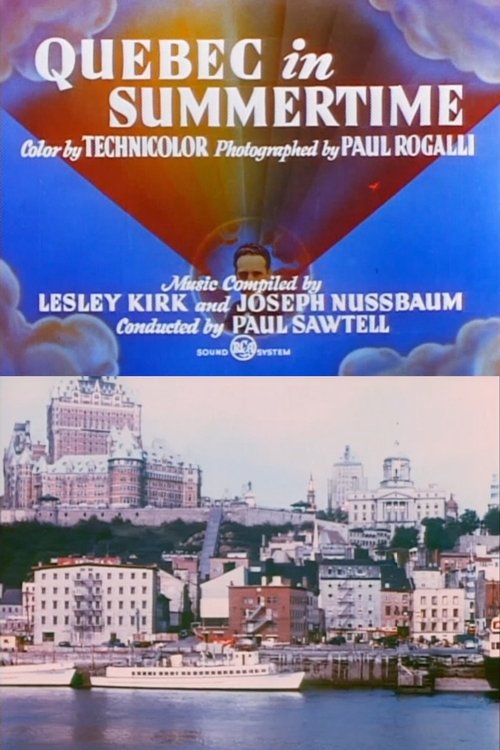
1949
No reviews yet. Be the first to share your thoughts on this movie!
Use the rating form above to leave a star rating and optional review.