In the Land of Diamonds
1952
No user ratings available yet
Representation score: 0.3 out of 10

Representation Score
Minimal
1952
ApprovedRuntime
9 minutes
Average Rating
No ratings yetNew Showbiz Analysis
Pretoria to Durban serves as a temporal artifact of 1952 South Africa, reflecting the exclusionary social and political hierarchies of its era. The documentary focuses on the administrative and geographical divisions of the Union, such as the Transvaal and Natal, through a strictly colonial-era lens. Because the film prioritizes statehood and geopolitical structures, it fails to provide any meaningful character development or diverse perspectives. It functions to validate the existing status quo rather than offering a critical or inclusive view of the region's inhabitants. Ultimately, the work is a product of its time, offering a limited viewpoint that bypasses the complexities of the multi-ethnic landscape it documents.
Category Breakdown
The film does not depict any LGBTQ+ identities. There is no evidence of LGBTQ+ presence or ability to act within this historical documentary.
The documentary follows 1950s travelogue standards by focusing on landscapes rather than people. It lacks any exploration of gendered social roles or ability to act.
The narrative is explicitly framed from a white person's viewpoint. It reinforces dominant social structures and lacks the ability to act of non-white subjects.
The film emphasizes Western institutional frameworks and administrative unity. It lacks any critique of the systemic power dynamics inherent in the period.
There is no evidence of individuals with visible or invisible disabilities. The film does not engage with neurodivergence or physical accessibility.
Present on Screen
Limited or Absent
Official Synopsis
This Traveltalk series short gives a glimpse into South African history, albeit from a white person's viewpoint. South Africa is a union of four separate states: the Transvaal, the Orange Free State, Natal, and the Cape Provence.
1952
1952
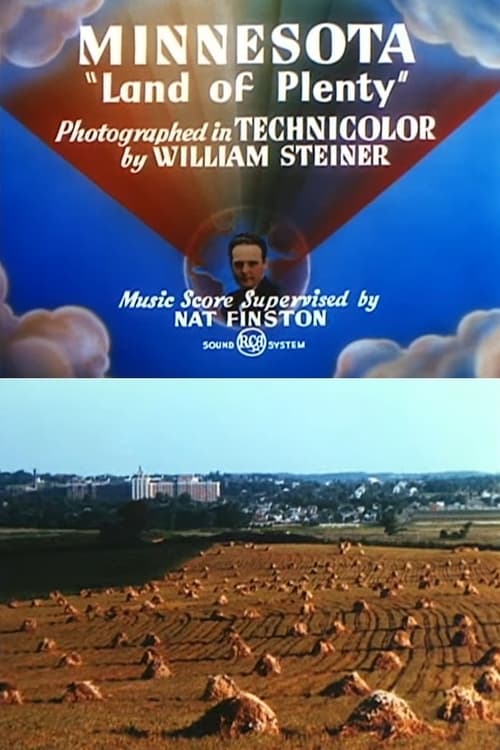
1942
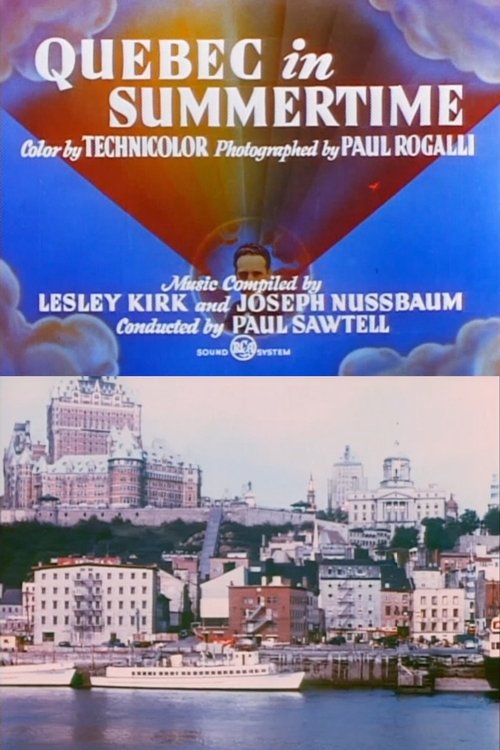
1949
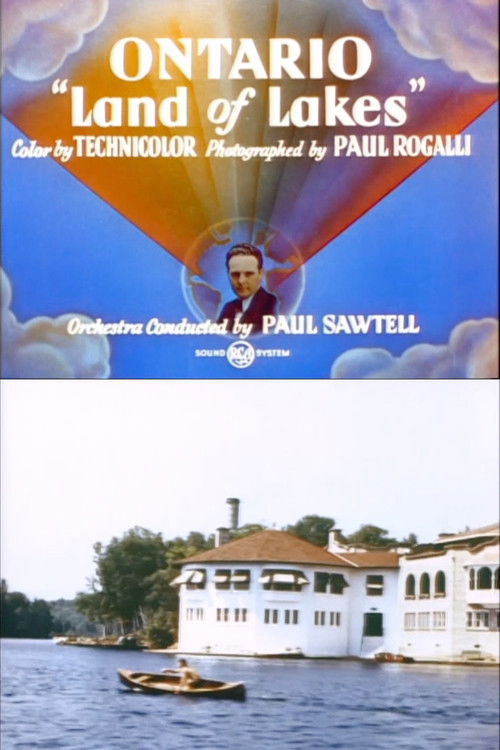
1949
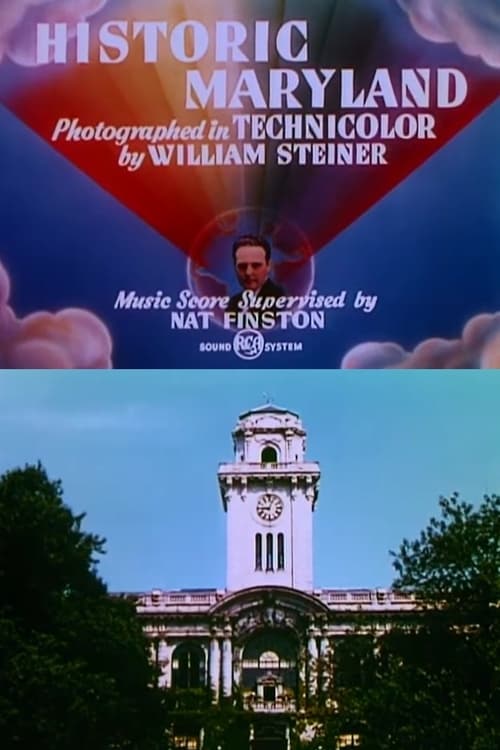
1941
1941
1950
No reviews yet. Be the first to share your thoughts on this movie!
Use the rating form above to leave a star rating and optional review.