
21 Years: Richard Linklater
2014
No user ratings available yet
Diversity score: 5.2 out of 10
2013
Director
Gabe Klinger
Runtime
70 minutes
Average Rating
No ratings yetSynopsis
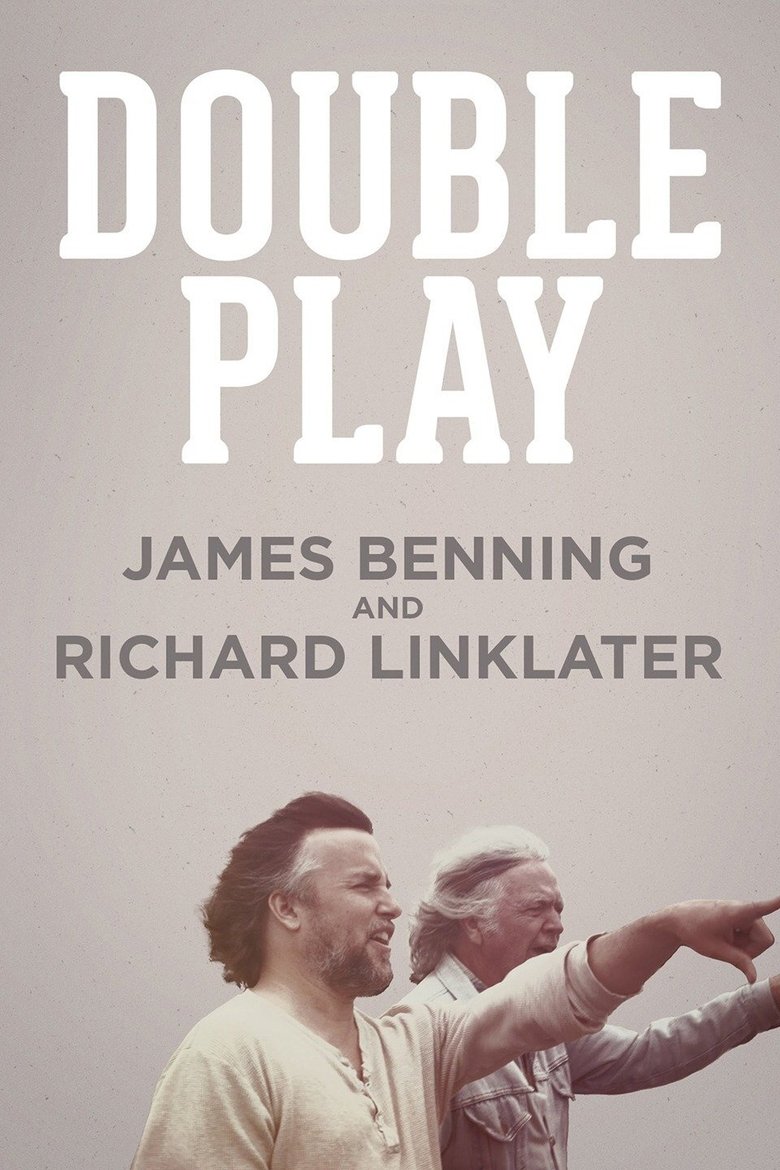
In 1985, former oil rig worker Richard Linklater began a film screening society in Austin, Texas, that aimed to show classic art-house and experimental films to a budding community of cinephiles. Eventually incorporating as a nonprofit, the newly branded Austin Film Society raised enough money to fly in their first out-of-town filmmaker: James Benning. Accepting the invitation, Benning met Linklater and the two began to develop a personal and intellectual bond, leading to many future encounters. Starting in the 1960s, Benning had been creating low budget films mostly on his own, while Linklater had just begun to craft his first shorts. The filmmakers have remained close even as their careers have diverged. After the cult success of Slacker, Linklater went on to make films with Hollywood support. Benning, meanwhile, has stayed close to his roots and is mainly an unknown figure in mainstream film culture.
Overall Score
Fair
Category Breakdown
LGBTQ+ Representation
The film explores the deep intellectual and personal bonds between two male filmmakers. However, it does not explicitly center LGBTQ+ identities or narratives of non-cisnormative gender expression.
Gender Representation
The narrative focuses on the male experience within the film industry and the divergent career paths of two men. It lacks visible female agency or subversion of gender hierarchies.
Racial & Ethnic Diversity
The documentary depicts a historically localized community of cinephiles from 1985. It aligns with the white-centric structures of mid-80s independent film circles without disrupting racial norms.
Religious & Cultural Diversity
The film prioritizes aesthetic philosophy and individual artistic truth over traditional Western storytelling. It functions as a respectful study of artistic evolution rather than an institutional critique.
Disability Representation
There is no documented evidence regarding the portrayal of physical or neurodivergent disabilities within the film's subject matter.
Strengths
Areas for Improvement
AI Analysis
Double Play is a specialized documentary that functions as a cinematic essay on the evolution of independent film culture. It prioritizes the intellectual history and philosophical intersections of two specific creative minds. Because the film focuses on the professional kinship between James Benning and Richard Linklater, it lacks intersectional complexity. The narrative architecture is designed to study artistic evolution rather than challenge systemic social hierarchies. Ultimately, the work remains a traditional biographical study. It lacks the demographic breadth and social identity politics required for a higher progressive score.
2014
1998
2006
1975
2009

2010
2008
2000
1986
1986
2021
1971
No reviews yet. Be the first to share your thoughts on this movie!
Use the rating form above to leave a star rating and optional review.