Shall We Dance?
1996
No user ratings available yet
Representation score: 6.3 out of 10
Representation Score
Fair
1983
NRDirector
Ettore Scola
Runtime
112 minutes
Average Rating
No ratings yetNew Showbiz Analysis
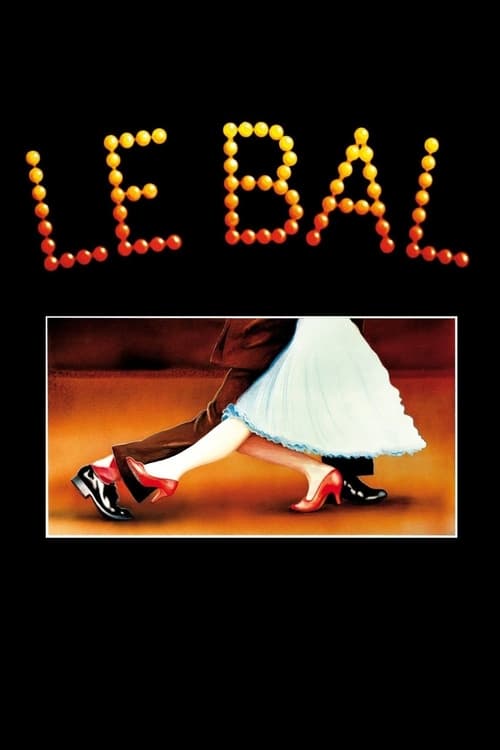
Le Bal is a sophisticated film that uses ballroom settings to explore European social changes over time. It prioritizes thematic montage over a linear plot, using dance to connect decades of political and cultural shifts. The film's strength lies in its critique of class hierarchies and capitalist social dynamics. It effectively shows how modern consumerism dissolves traditional communal bonds and historical continuity. However, the film remains focused on a specific Eurocentric perspective. It lacks significant representation of LGBTQ+ identities, diverse ethnic groups, or characters with disabilities.
Category Breakdown
The film focuses on traditional courtship and ballroom etiquette. It does not include any explicit representation of LGBTQ+ identities or same-sex relationships.
The movie traces the shift from rigid, formal courtship to more relaxed interactions. It subtly criticizes strict gender roles by showing the breakdown of formal hierarchies.
The film stays within the historical context of its Eurocentric setting. It does not include intentional ethnic diversity or varied casting to challenge the period's uniformity.
The film excels in criticizing Western institutions and the erosion of class structures. It depicts the transition from Fascist-era formalities to a fragmented, consumer-driven society.
The film does not feature any characters with visible or invisible disabilities as central narrative elements.
Present on Screen
Limited or Absent
Official Synopsis
In a French nightclub, choreographed song and dance routines are performed, rather than a streamlined narrative. They tell the story of Parisian culture and politics from the 1920s—1980s. A disparate, anachronistic series of characters, including an ordinary waiter, a Nazi collaborator, resistance fighters, and 1960s student protestors gather to celebrate and satirize 20th century France's icons, demons, and social changes.
1996
1955
2019
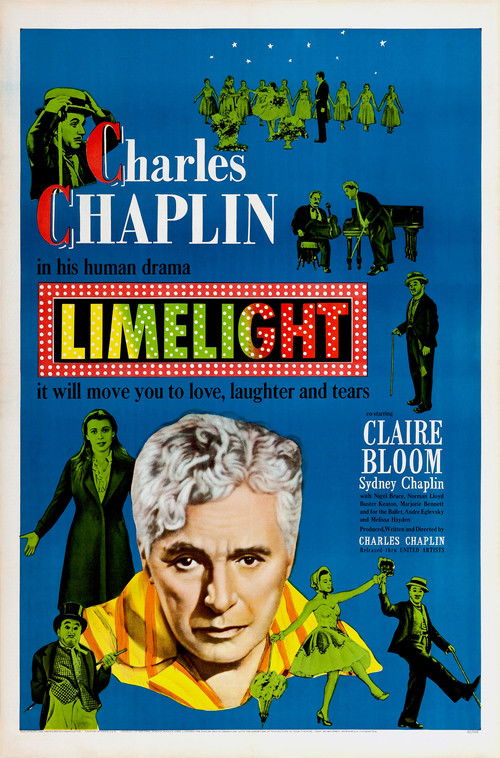
1952
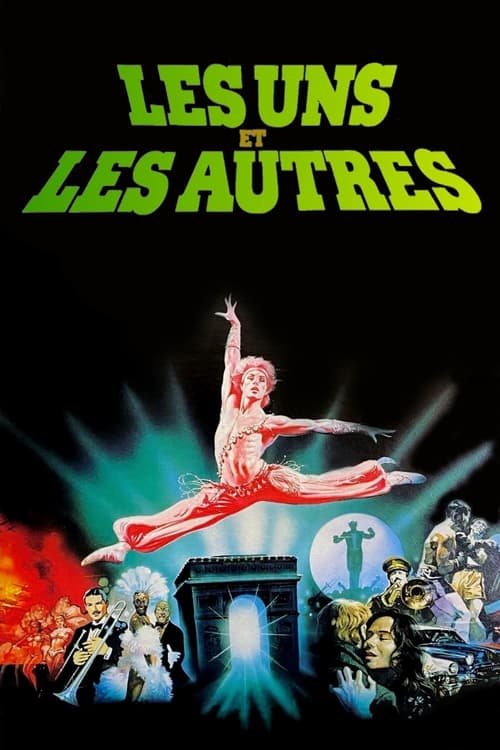
1981
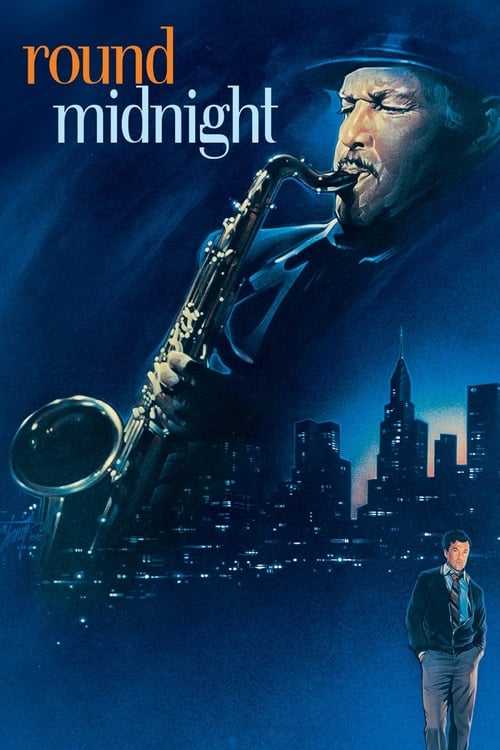
1986
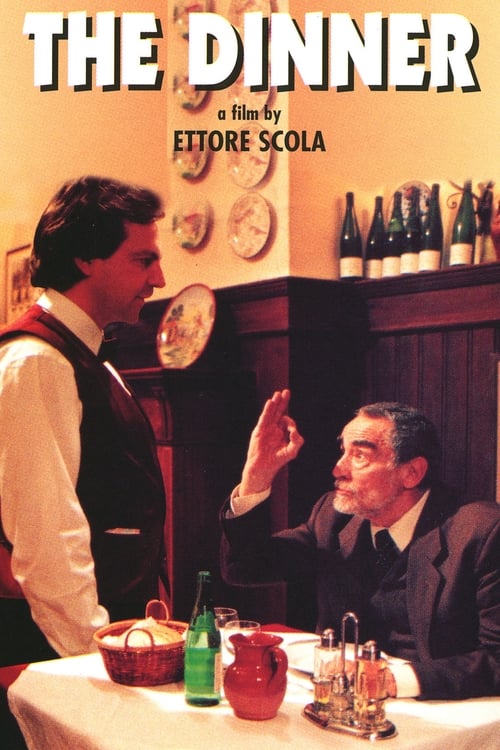
1998
2018
No reviews yet. Be the first to share your thoughts on this movie!
Use the rating form above to leave a star rating and optional review.