House of Ricordi
1954
No user ratings available yet
Representation score: 1.3 out of 10
Representation Score
Fair
1981
Director
Claude Lelouch
Runtime
184 minutes
Average Rating
No ratings yetNew Showbiz Analysis
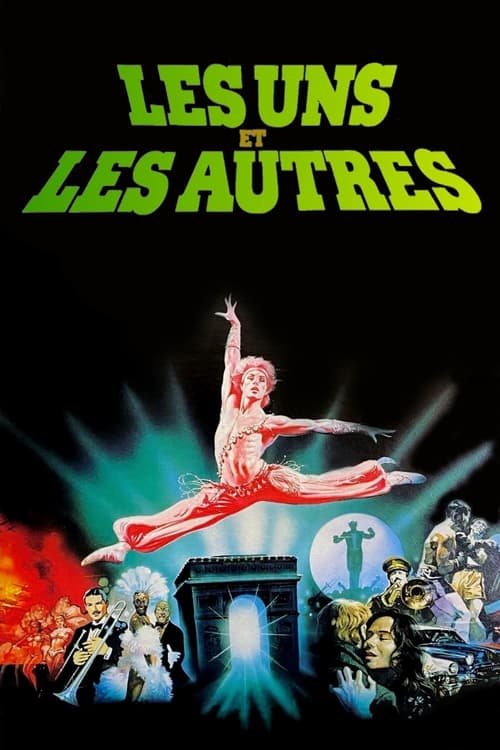
Boléro stands out by intertwining the stories of four distinct families from different countries, challenging the uniformity found in historical epics. The film uses music as a universal language to connect diverse ethnic identities and highlight female empowerment, moving beyond typical period drama conventions. However, it remains bound to the romantic and social norms of its time. The absence of LGBTQ+ representation and the adherence to traditional romantic hierarchies limit a more progressive exploration of identity.
Category Breakdown
The film explores romantic relationships and personal connections but does not prominently feature non-traditional gender identities or same-sex relationships that significantly influence the plot.
Female characters inspired by figures like Édith Piaf play important roles. However, traditional romantic dynamics often shape their storylines, limiting the challenge to conventional gender power structures.
The film incorporates characters from various nationalities and cultural backgrounds, creating a diverse cast that breaks the Eurocentric focus typical of period dramas from this era.
The film adopts a secular viewpoint, focusing on art and the impact of war on individuals rather than religious doctrine or patriotic sentiment.
There is no significant depiction of visible or invisible disabilities as central narrative drivers or character traits.
Present on Screen
Limited or Absent
Official Synopsis
The film follows four families, with different nationalities (French, German, Russian and American) but with the same passion for music, from the 1930s to the 1960s. The various story lines cross each other time and again in different places and times, with their own theme scores that evolve as time passes. The main event in the film is the Second World War, which throws the stories of the four musical families together and mixes their fates. Although all characters are fictional, many of them are loosely based on historical musical icons (Édith Piaf, Josephine Baker, Herbert von Karajan, Glenn Miller, Rudolf Nureyev, etc.) The Boléro dance sequence at the end brings all the threads together.
1954
1988
1999
1986

1975
1998
1989
1981
No reviews yet. Be the first to share your thoughts on this movie!
Use the rating form above to leave a star rating and optional review.