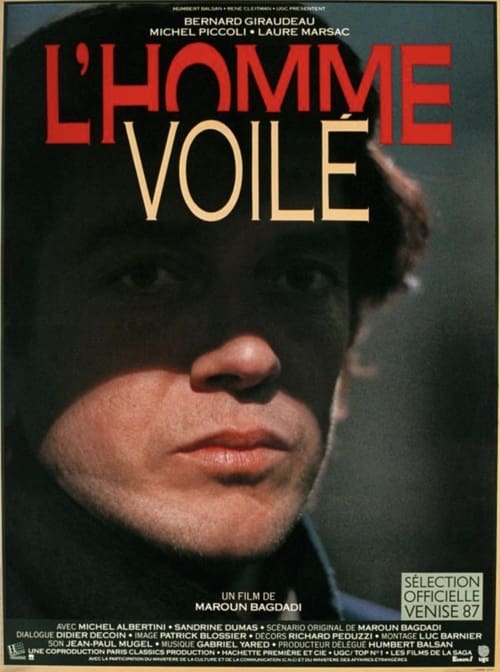
The Veiled Man
1987
No user ratings available yet
Diversity score: 5.8 out of 10
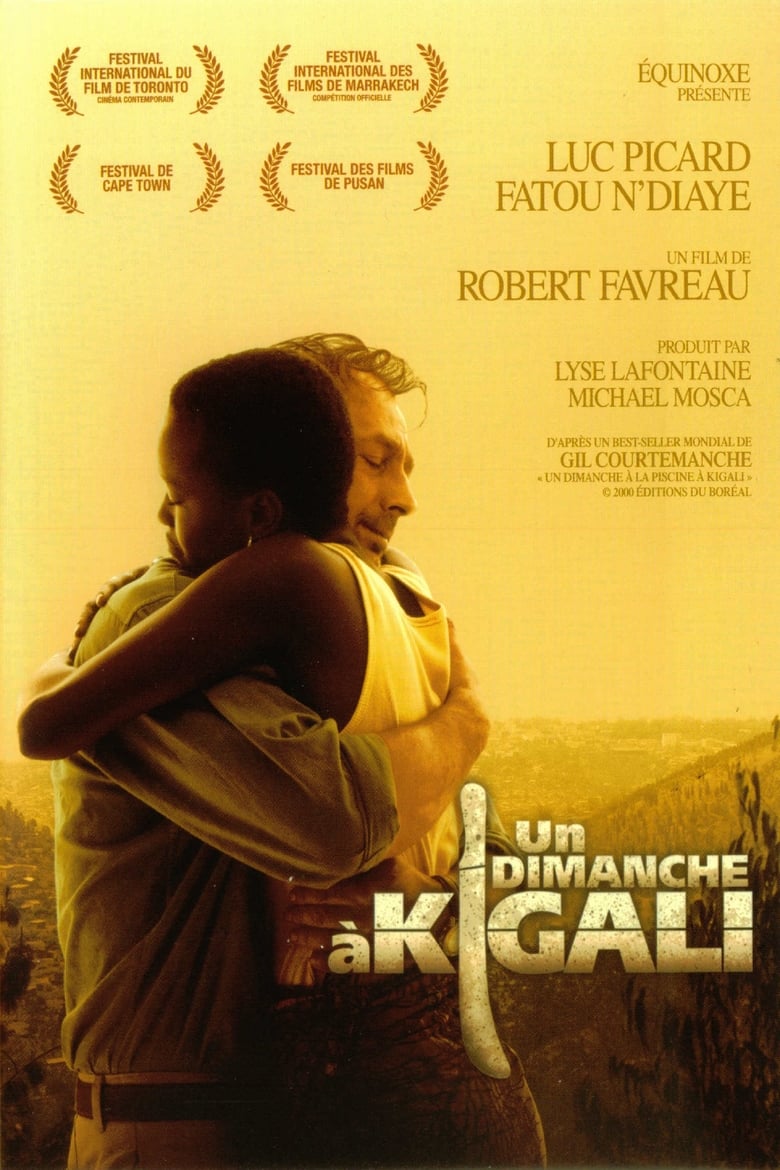
2006
Director
Robert Favreau
Runtime
118 minutes
Average Rating
No ratings yetSynopsis
In April 1994, the middle-aged Canadian journalist Bernard Valcourt is making a documentary in Kigali about AIDS. He secretly falls in love for the Tutsi waitress of his hotel Gentille, who is younger than him, in a period of violent racial conflicts. When the genocide of the Tutsis by the Hutus in Rwanda begins, Bernard does not succeed in escaping with Gentille to Canada. When the genocide finishes in July 1994, Bernard returns to the chaotic Kigali seeking out Gentille in the middle of destruction and dead bodies.
Overall Score
Fair
Category Breakdown
LGBTQ+ Representation
The film operates within a traditional heteronormative framework. There is no discernible presence of LGBTQ+ characters or non-cisnormative identities.
Gender Representation
Women are depicted navigating extreme trauma and preserving social stability. The narrative centers female survival and psychological burdens rather than portraying them as passive victims.
Racial & Ethnic Diversity
The film excels by centering African identities and the complexities of Tutsi and Hutu ethnic stratification. Casting Don Cheadle adds a nuanced layer to the exploration of identity.
Religious & Cultural Diversity
The story offers a strong anti-Western critique by highlighting the failure of international institutions. It explores the breakdown of social structures as a consequence of systemic violence.
Disability Representation
Physical and psychological trauma are depicted as markers of historical reality. However, these elements lack character-driven exploration of specific disability agency or neurodivergence.
Strengths
Areas for Improvement
AI Analysis
A Sunday in Kigali is a powerful examination of the Rwandan genocide that successfully avoids a purely Western-centric gaze. By focusing on the ethnic tensions between Hutus and Tutsis, the film provides a sophisticated critique of global indifference and systemic failure. The production excels in its racial and cultural depth, utilizing its cast to highlight the gravity of the ethnic struggle. It moves beyond simple humanitarian tropes to address the post-colonial complexities of the region. However, the film's scope is narrow regarding other identities. It lacks LGBTQ+ representation and treats the profound physical and psychological trauma of the conflict as a backdrop rather than a vehicle for disability-centric storytelling.
1987

2016
2014

2018
2003
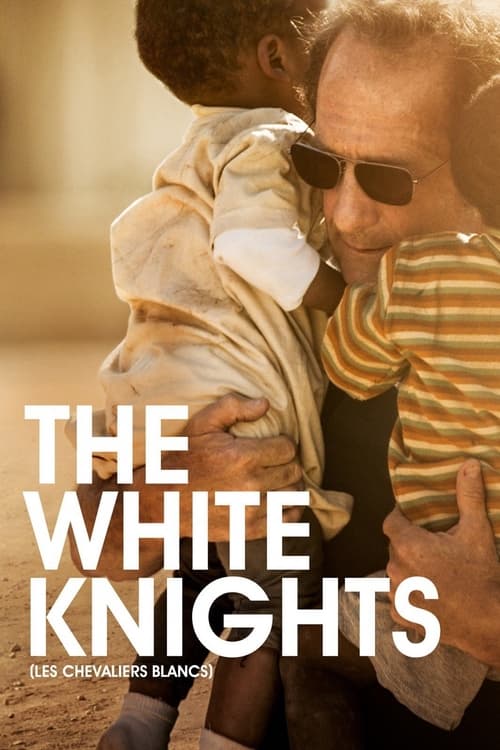
2015

2010

2022
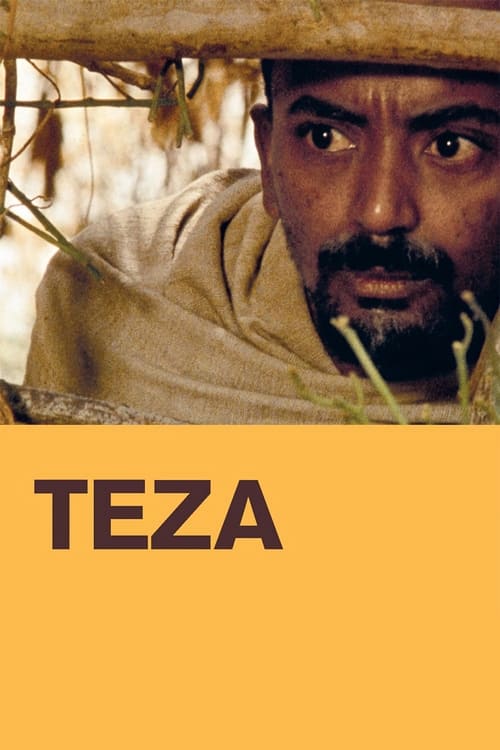
2008
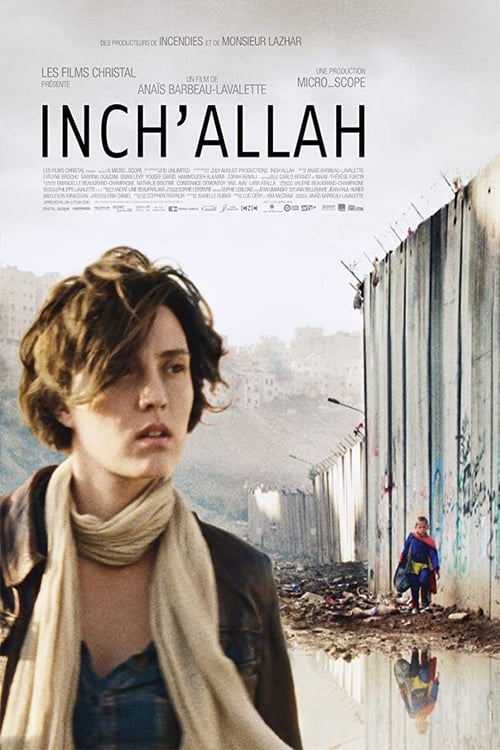
2012

2009
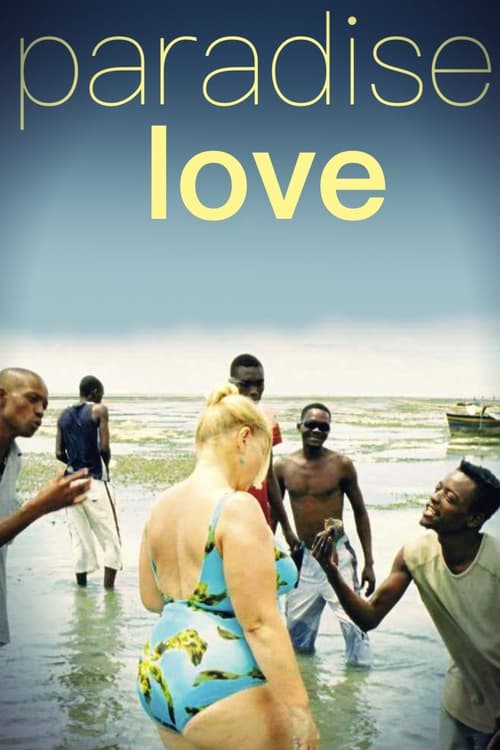
2012
No reviews yet. Be the first to share your thoughts on this movie!
Use the rating form above to leave a star rating and optional review.