The Search
2014
No user ratings available yet
Representation score: 6.4 out of 10
Representation Score
Good
2015
Director
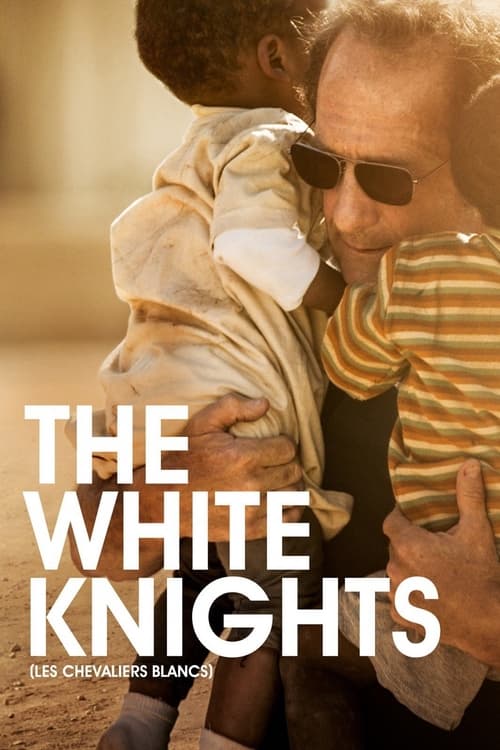
Joachim Lafosse
Runtime
112 minutes
Average Rating
No ratings yetNew Showbiz Analysis
The White Knights is a psychological drama that focuses on ethical dilemmas rather than identity-based representation. It successfully critiques Western institutional authority and avoids simple hero narratives, providing a nuanced look at humanitarian intervention. While the film does not include LGBTQ+ or disabled characters prominently, it excels in subverting gender clichés and avoiding the white savior cliché. The story centers on the erosion of moral certainty amid geopolitical turmoil. Overall, the film's diversity lies in its thematic depth rather than a wide range of underrepresented identities, making it a sophisticated exploration of systemic issues.
Category Breakdown
The film follows a traditional social framework that assumes everyone is straight or cisgender. There are no significant LGBTQ+ character arcs or representations of diverse gender identities in the main storyline.
Françoise Dubois uses her journalistic skills to expose the flaws in the male-led mission, challenging the idea that men always have control over the story. She takes a leading role in driving the narrative forward.
The film sets itself in Chad, where local populations and orphans play important roles. It avoids the cliché of the white savior by focusing on the broader issues of the civil war and the systemic failures of humanitarian efforts.
The story questions the effectiveness of Western institutions by showing how NGOs can be flawed and potentially harmful. It challenges the notion that Western humanitarian efforts are always morally superior.
The characters face mostly psychological and ethical challenges. There are no prominent depictions of physical or neurological disabilities in the story.
Present on Screen
Limited or Absent
Official Synopsis
Jacques Arnault, head of Sud Secours NGO, is planning a high impact operation: he and his team are going to exfiltrate 300 orphan victims of the Chadian civil war and bring them to French adoption applicants. Françoise Dubois, a journalist, is invited to come along with them and handle the media coverage for this operation. Completely immersed in the brutal reality of a country at war, the NGO members start losing their convictions and are faced with the limits of humanitarian intervention.
2014
1997
2012

2013
2009
2010

2019
2006
No reviews yet. Be the first to share your thoughts on this movie!
Use the rating form above to leave a star rating and optional review.