
The Battle of Chile: Part I
1975
No user ratings available yet
Diversity score: 5.3 out of 10
2000
Director
Jean-Louis Comolli
Runtime
107 minutes
Average Rating
No ratings yetSynopsis
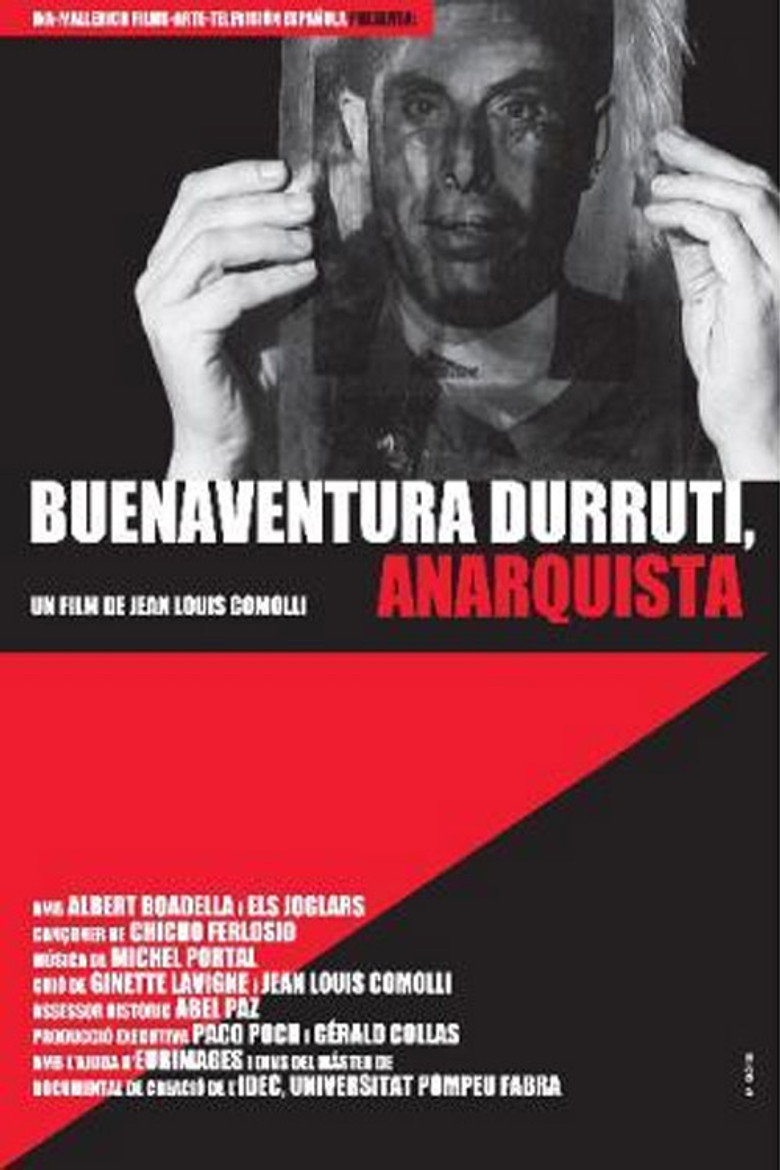
Filmed between February and March 1999 in La Cupula (Girona), the rehearsal place of the Spanish independent theater company Els Joglars, this documentary reveals the creative process of this company in its project to represent the life of the mythical anarchist leader Buenaventura Durruti, as well as the circumstances of his death.
Overall Score
Fair
Category Breakdown
LGBTQ+ Representation
The documentary focuses on the socio-political movements of the Spanish Civil War. It does not explicitly center on LGBTQ+ identities or non-heteronormative romantic arcs.
Gender Representation
While the central figure is male, the film portrays women as integral participants in anarchist militias. This subverts traditional patriarchal hierarchies by granting agency to female historical actors.
Racial & Ethnic Diversity
The subjects are predominantly white/Hispanic, reflecting the historical realities of the Spanish proletariat. It avoids homogeneous tropes by focusing on the diverse, fractured socioeconomic strata of the working class.
Religious & Cultural Diversity
The film offers a profound critique of the State and the Catholic Church. It celebrates communal autonomy and the dismantling of centralized, oppressive Western institutions.
Disability Representation
The narrative lacks an intentional focus on neurodivergence or physical disabilities. While war involves trauma, disability is not used as a central narrative device.
Strengths
Areas for Improvement
AI Analysis
Jean-Louis Comolli’s documentary provides a rigorous deconstruction of historical narratives through the lens of the Spanish anarchist movement. It excels in cultural representation by challenging established religious and state orthodoxies, offering a progressive revision of history. However, the film's historical specificity limits its breadth in other areas. The focus on class and state struggle means that LGBTQ+ identities and disability are not central to the storytelling. Ultimately, the work is a specialized political inquiry. It prioritizes systemic critique and anti-authoritarianism over a broad spectrum of identity-based representation.
1975
2019

2009

2020
2014

1996
1994

2022
2012

2022

2015
1997
No reviews yet. Be the first to share your thoughts on this movie!
Use the rating form above to leave a star rating and optional review.