
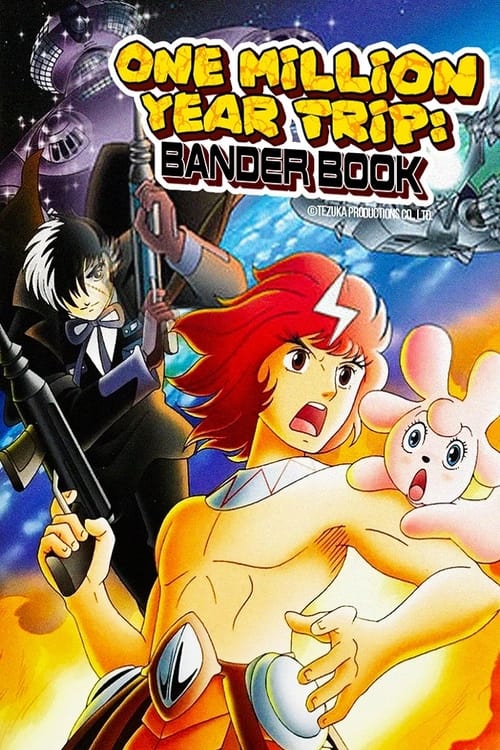
Time Masters
1982
No user ratings available yet
Representation score: 6.7 out of 10
Representation Score
Fair
1978
Director
Osamu Tezuka
Runtime
92 minutes
Average Rating
No ratings yetNew Showbiz Analysis
Osamu Tezuka’s work uses speculative science fiction to move beyond terrestrial social structures. By focusing on a distant planet of shape-shifters, the film avoids traditional Earth-bound racial and cultural hierarchies. However, the film remains anchored in conventional adventure clichés. The focus on a singular male protagonist and a standard 'invader' conflict limits the depth of its social representation. Ultimately, the film's diversity is found in its metaphorical use of the alien 'other' rather than the explicit inclusion of underrepresented identities.
Category Breakdown
The story focuses on Bander and a planetary invasion conflict. There are no explicit LGBTQ+ characters or non-straight relationships in the narrative.
The story centers on a 17-year-old male protagonist. This focus on a singular male hero follows traditional adventure clichés.
The science-fiction setting uses shape-shifters to disrupt Earth-centric racial hierarchies. This allows for a metaphorical exploration of otherness that goes beyond traditional ethnic boundaries.
The film depicts a society with non-traditional dietary habits, moving away from Western-centric norms. However, the conflict follows classic heroic archetypes regarding sovereignty.
The film provides no information regarding characters with visible or invisible disabilities.
Present on Screen
Limited or Absent
Official Synopsis
Bander is a 17-year-old boy from Earth who lives on a distant planet, which is populated by human shape-shifters who feed off of vegetables and animal tails. Violence soon breaks out, as invaders launch an attack on Bander's new planet. This was Japan's first 2-hour animated film for television. The program received high ratings when broadcast as part of a set of 24-hour TV programs called "Ai wa Chikyu wo Sukuu" on Nippon Television. After a long gap since his last animated film for television, this work fully reflects Osamu Tezuka's desire to achieve theatrical quality with this production.
1982
1987
1986
1966
1982
1981

1980
2017
No reviews yet. Be the first to share your thoughts on this movie!
Use the rating form above to leave a star rating and optional review.