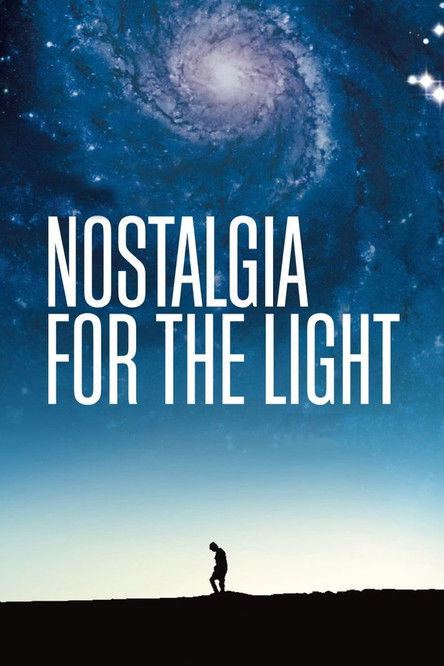
Nostalgia for the Light
2010
No user ratings available yet
Diversity score: 7.9 out of 10
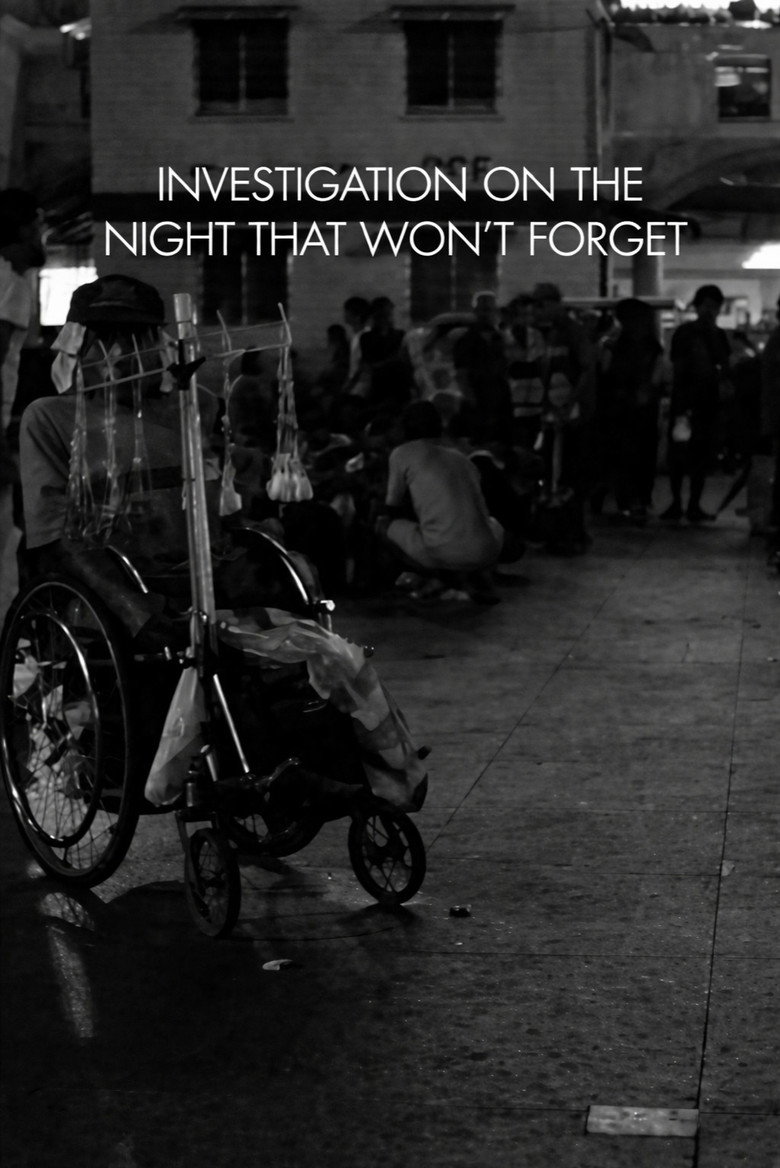
2012
Not RatedDirector
Lav Diaz
Runtime
70 minutes
Average Rating
No ratings yetSynopsis
Erwin Romulo, the late Alexis Tioseco’s best friend, recalls the events after the critic and his girlfriend Nika Bohinc’s untimely death in their home in Quezon City. Diaz makes use of one long take to allow Romulo an uninterrupted narration of the events. The pain of recalling is palpable.
Overall Score
Good
Category Breakdown
LGBTQ+ Representation
The film centers on the relationship between Alexis Tioseco and Nika Bohinc, treating their bond with dignity. While their intimacy provides an emotional anchor, queer identity is woven into a broader tragedy rather than explored as a standalone theme.
Gender Representation
The narrative deconstructs masculine tropes by focusing on vulnerability and shared grief. Bohinc is presented through her intellectual partnership with Tioseco, though the film remains heavily focused on the aftermath of their deaths.
Racial & Ethnic Diversity
This work offers a profound immersion into the Filipino experience, utilizing a local cast and setting. It avoids a Western gaze by presenting an authentic, localized perspective on memory and trauma.
Religious & Cultural Diversity
The film critiques institutional power and historical erasure through a contemplative long-take format. It frames the struggle for truth as a resistance against systemic oppression and sanitized historical narratives.
Disability Representation
There is no significant evidence regarding the portrayal of visible or invisible disabilities. The focus remains on psychological trauma and historical investigation.
Strengths
Areas for Improvement
AI Analysis
Lav Diaz utilizes a slow cinema aesthetic to interrogate national trauma and post-colonial identity. By centering the lived experiences of Filipino intellectuals, the film functions as a significant exercise in intersectional storytelling. The documentary avoids Western-centric historical records, instead reclaiming the right to document local history on its own terms. This approach challenges capitalist impulses for rapid consumption and demands a deep engagement with the weight of time. While the film excels in cultural and racial authenticity, its exploration of gender and queer identity is somewhat constrained by its primary focus on the investigative and mournful aspects of the central tragedy.
2010
2021
2008

1980

2014

1977
2008

2020

2010
2013
1972

2012
No reviews yet. Be the first to share your thoughts on this movie!
Use the rating form above to leave a star rating and optional review.