
Crane World
1999
No user ratings available yet
Representation score: 5.5 out of 10
Representation Score
Fair
2001
PG-13Director
Laurent Cantet
Runtime
134 minutes
Average Rating
No ratings yetNew Showbiz Analysis
Laurent Cantet’s drama is a study in social realism that prioritizes systemic critique over conventional social cohesion. It deconstructs traditional authority by viewing anti-social behavior as a necessary response to environmental conditions rather than individual fault. However, the film lacks explicit identity-based representation. The narrative is largely confined to a homogeneous, male-centric perspective that offers limited space for diverse voices, including those of LGBTQ+ individuals, different races, and people with disabilities. Ultimately, while the film provides a sophisticated sociological critique of Western institutions, its narrow demographic focus limits its overall diversity.
Category Breakdown
The film primarily explores heterosexual relationships and lacks narratives that challenge these norms. There are no characters with non-traditional gender identities or stories that question these assumptions.
The movie focuses heavily on male adolescents and their social interactions. It does not provide much room for female characters to take charge or challenge gender roles.
The cast is predominantly made up of individuals from similar backgrounds, reflecting the local, working-class French context. The film does not introduce diverse ethnicities to complicate the social dynamics.
The film examines delinquent behavior as a response to oppressive systems, presenting it as a natural reaction to societal pressures. It emphasizes a sociological perspective over traditional moral teachings.
There are no characters with visible or invisible disabilities in the film. The story focuses solely on the socioeconomic and behavioral aspects of the group, without addressing any disabilities.
Present on Screen
Limited or Absent
Official Synopsis
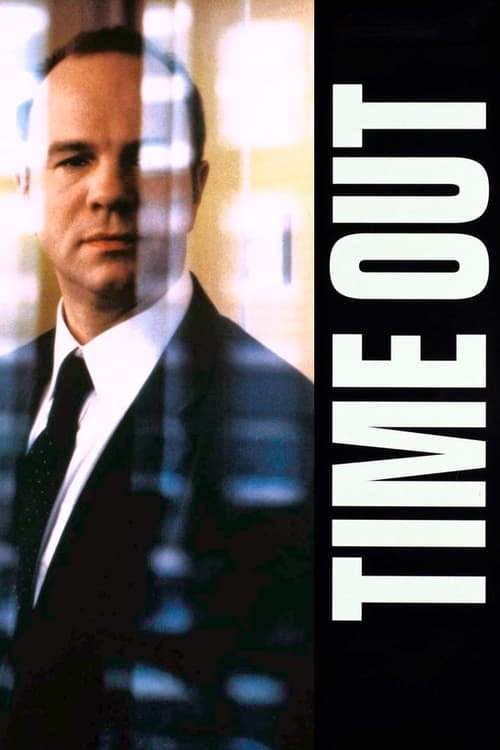
An unemployed man finds his life sinking more and more into trouble as he hides his situation from his family and friends.
1999

2015

2007

1997

1999

1998

1999

1993
No reviews yet. Be the first to share your thoughts on this movie!
Use the rating form above to leave a star rating and optional review.