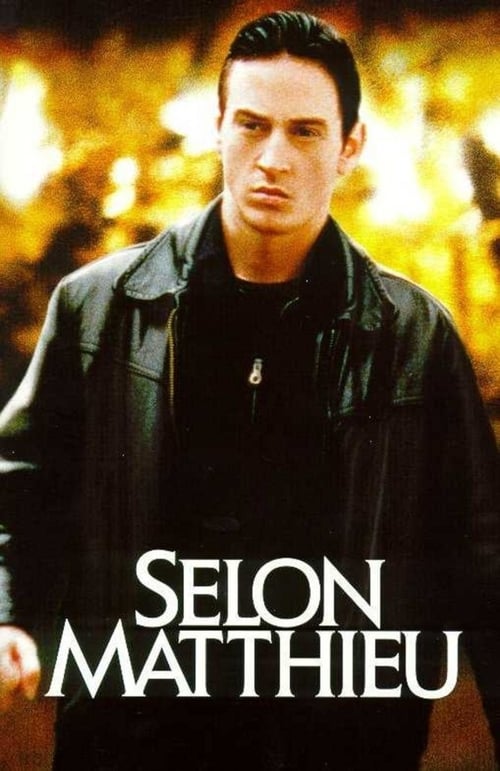
To Mathieu
2001
No user ratings available yet
Representation score: 3.7 out of 10

Representation Score
Fair
1999
TV-14Director
Laurent Cantet
Runtime
100 minutes
Average Rating
No ratings yetNew Showbiz Analysis
Laurent Cantet’s drama is a clinical study of class tension rather than a showcase of diverse demographics. It prioritizes a naturalist aesthetic to dissect the friction between capital and labor, focusing heavily on the socioeconomic realities of the French working class. The film’s strength lies in its cultural and systemic critique, offering a profound engagement with power dynamics and class struggle. However, it remains anchored in a homogeneous, male-dominated environment, reflecting a specific historical context rather than seeking to subvert social norms through diverse casting.
Category Breakdown
The film focuses on a strictly heterosexual and cisgender perspective, with no representation of LGBTQ+ identities or non-cisgender narratives.
The narrative highlights a male-dominated industrial hierarchy where women play crucial social and emotional roles but lack institutional power.
The cast is primarily composed of white actors, emphasizing the internal divisions within the white working class without incorporating diverse racial backgrounds.
The film provides a sophisticated critique of Western economic structures, highlighting the moral complexities of class betrayal and the dignity of workers.
There is no significant focus on visible or invisible disabilities. Character struggles are centered around socioeconomic status and psychological responses to industrial changes.
Present on Screen
Limited or Absent
Official Synopsis
"Good son" Franck returns to his hometown to do a trainee managerial internship in the Human Resources department of the factory where his anxious, taciturn father has worked for 23 years.
2001
2015
2001

1996

1995
2004

2017
1998
No reviews yet. Be the first to share your thoughts on this movie!
Use the rating form above to leave a star rating and optional review.