
Two Days, One Night
2014
No user ratings available yet
Representation score: 6.7 out of 10
Representation Score
Limited
2015
Not RatedDirector
Stéphane Brizé
Runtime
93 minutes
Average Rating
No ratings yetNew Showbiz Analysis
The film is a specialized work of social realism that prioritizes systemic critique over demographic breadth. It effectively deconstructs the dehumanizing effects of capitalism and the erosion of individual morality within modern economic structures. However, the narrative is notably narrow in its multi-layered reach. The lack of representation regarding LGBTQ+ identities, racial diversity, and varied gender dynamics limits its scope to a very specific, homogeneous social environment. Ultimately, the film trades demographic variety for a deep, intentional exploration of class and institutional power. It is a rigorous study of labor dynamics rather than a diverse tapestry of human identities.
Category Breakdown
The film does not address LGBTQ+ identities or non-assuming gender matches what was assigned at birth gender expressions. It focuses solely on the socioeconomic struggles of the protagonist.
The narrative centers on a narrow masculine framework, emphasizing the male protagonist and his male authority figures. It lacks diverse gender dynamics and the subversion of traditional roles.
The social environment is relatively homogeneous, focusing on French bureaucratic structures. The film prioritizes the universalized experience of unemployment over specific racial or ethnic identities.
The film critiques Western institutions and the dehumanizing nature of the capitalist labor market. It challenges the perceived benevolence of modern economic systems.
While there are no characters with overt physical disabilities, the film explores the psychological fragility caused by systemic instability. It highlights the invisible cognitive toll of economic precariousness.
Present on Screen
Limited or Absent
Official Synopsis
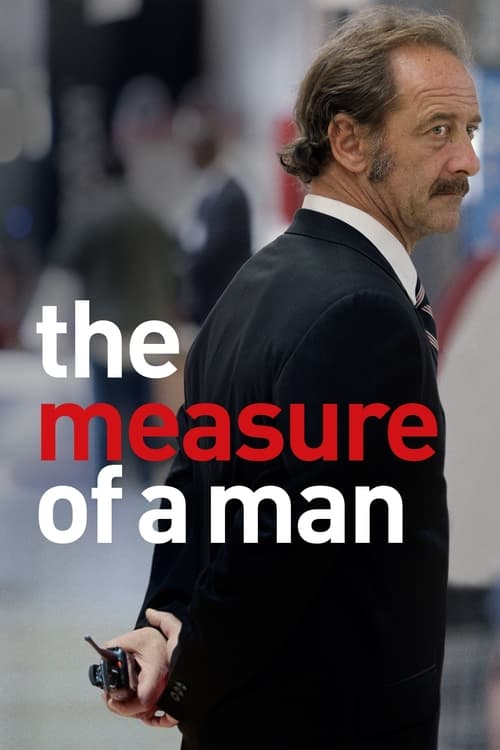
At the age of 51 and after 20 months on unemployment, Thierry starts a new job that soon brings him face to face with a moral dilemma. How much is he willing to accept to keep his job?
2014

1996
2012

1999
2022
2001

2018

2012
No reviews yet. Be the first to share your thoughts on this movie!
Use the rating form above to leave a star rating and optional review.