Una estrella y dos estrellados
1960
No user ratings available yet
Diversity score: 4.0 out of 10
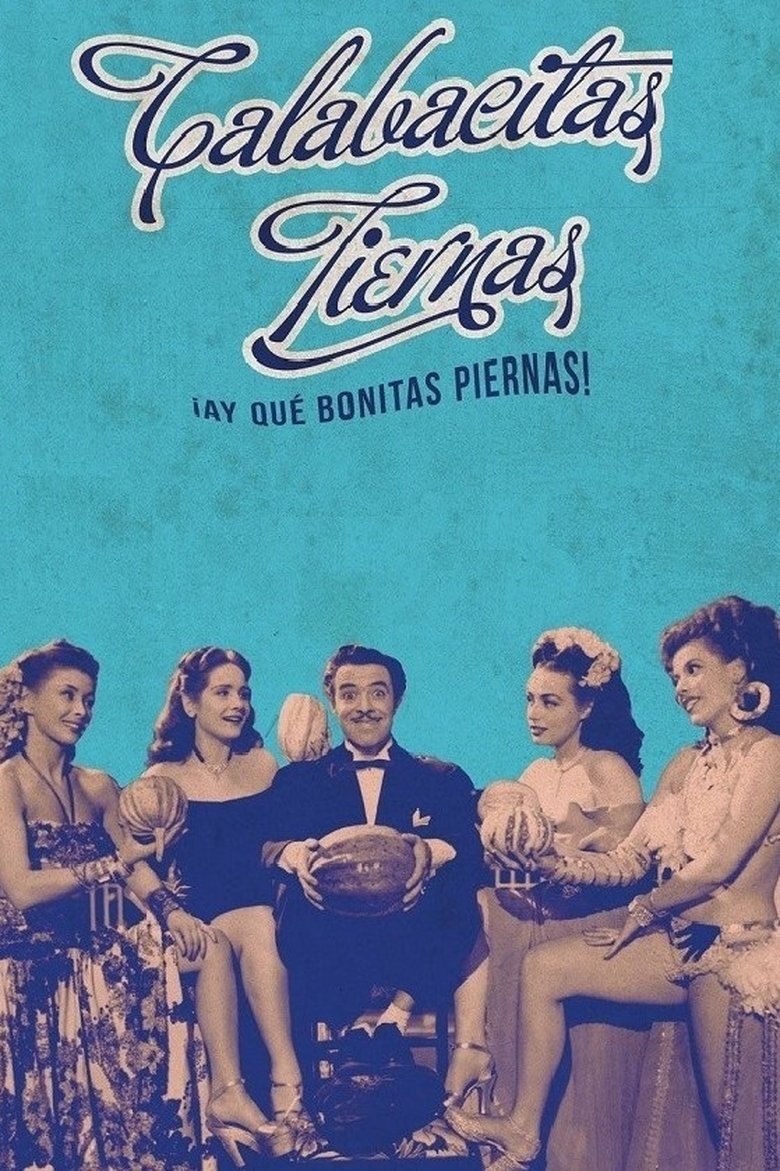
1949
Director
Gilberto Martínez Solares
Runtime
101 minutes
Average Rating
No ratings yetSynopsis
A man hired to impersonate a bankrupt business mogul who is currently on the run from creditors sets out organize a musical starring beauties from Brazil, Mexico, and Spain in this Spanish-language comedy starring popular funnyman Tin Tan. Now, as the hapless imposter attempts to finance a musical without any money, he also discovers just how difficult it can be to juggle three beautiful starlets who all have eyes for their presumably wealthy producer.
Overall Score
Fair
Category Breakdown
LGBTQ+ Representation
The film operates within a strictly heteronormative framework. The plot focuses on romantic pursuit and male-driven comedic tension. There is no depiction of non-cisnormative identities or same-sex intimacy.
Gender Representation
The narrative centers on a male protagonist whose agency drives the plot. Female characters function primarily as objects of desire or comedic foils, defined by their aesthetic appeal and romantic interests.
Racial & Ethnic Diversity
The production embraces a pan-Latin identity by featuring beauties from Brazil, Mexico, and Spain. This casting creates a cosmopolitan tapestry that moves beyond a singular national identity.
Religious & Cultural Diversity
The film prioritizes escapism through musical comedy tropes. While it offers an irreverent view of class via themes of financial instability, it remains a traditional piece of commercial entertainment.
Disability Representation
There is no discernible focus on disability or neurodivergence. Characters are presented within the standard physical archetypes typical of the musical comedy genre.
Strengths
Areas for Improvement
AI Analysis
Oh What Beautiful Legs! is a quintessential product of the Golden Age of Mexican cinema, prioritizing commercial charm and rhythmic spectacle. It succeeds in presenting a broad, pan-Latin cultural scope that celebrates diverse regional identities from across the Spanish-speaking world. However, the film remains deeply tethered to the social hierarchies of 1949. The narrative structure relies on traditional gender roles and heteronormative romantic pursuits, offering little room for intersectional depth or the subversion of established social norms. Ultimately, the film serves as a colorful artifact of its era. It provides a cosmopolitan musical experience while maintaining the conventional, male-centric storytelling patterns common to mid-century studio productions.
1960
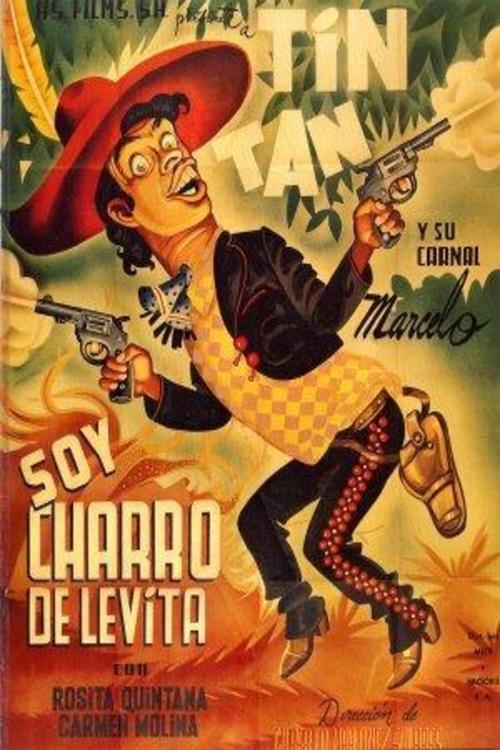
1949
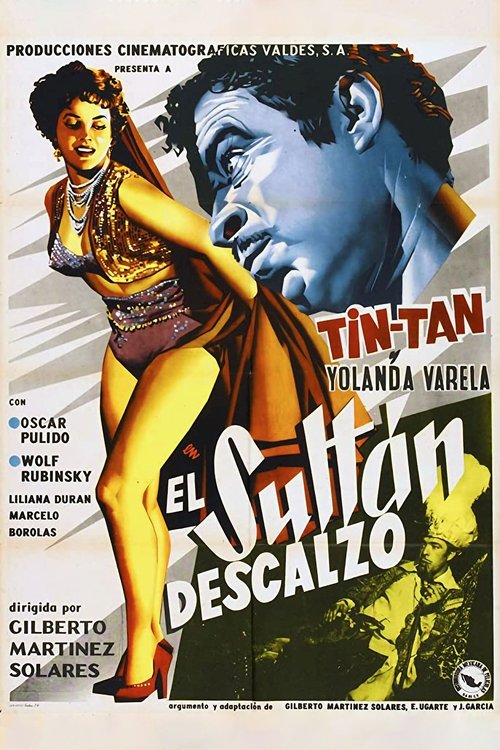
1956
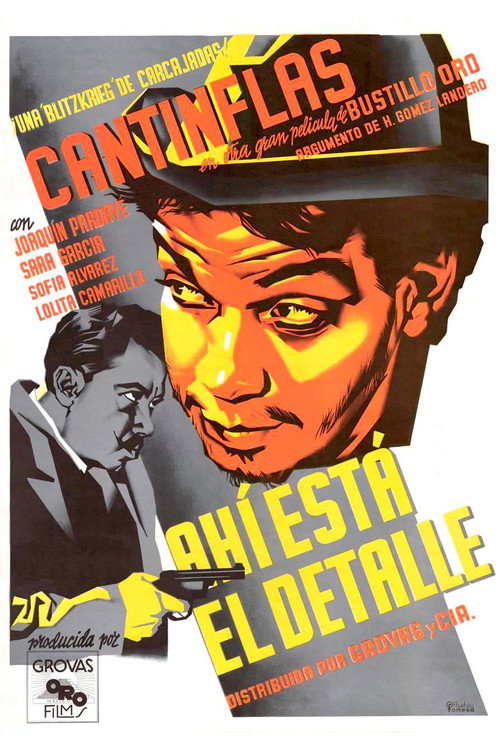
1940

1955
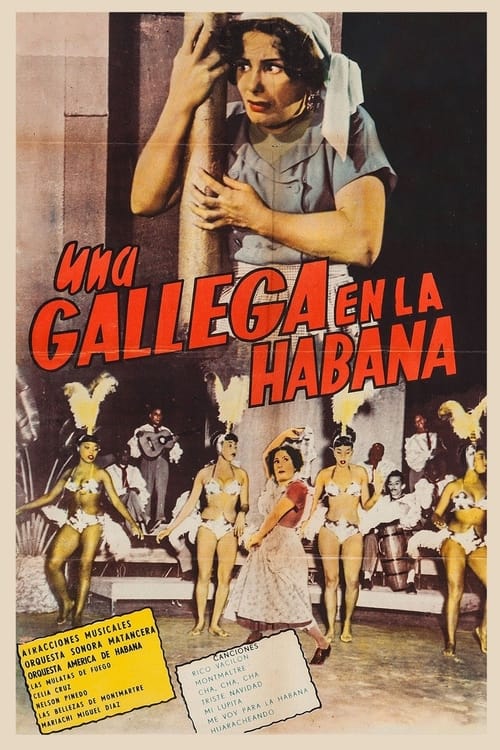
1955
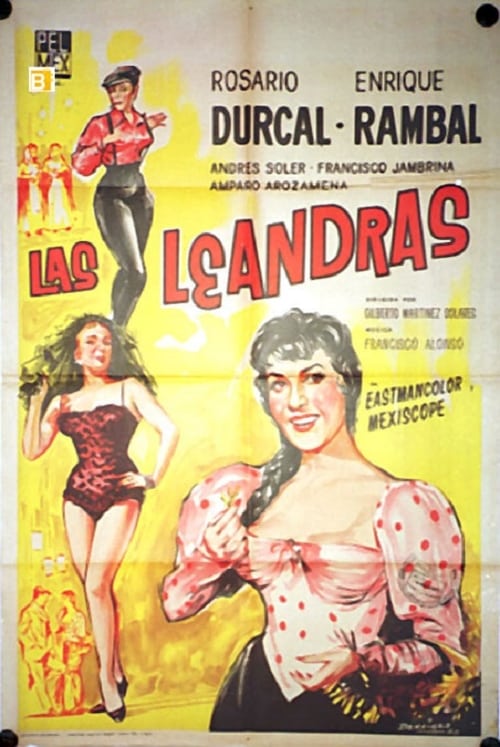
1961
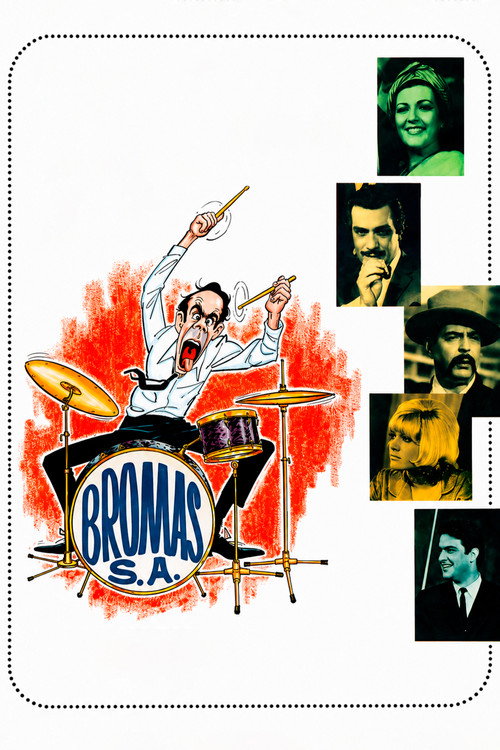
1967
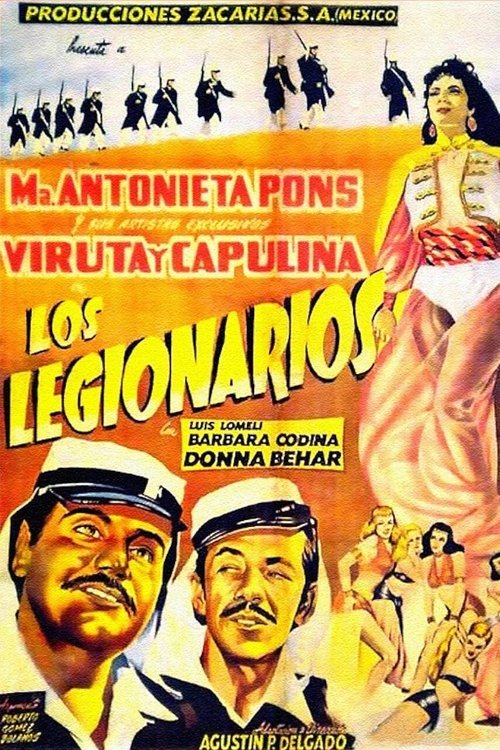
1958
1973
1976

1940
No reviews yet. Be the first to share your thoughts on this movie!
Use the rating form above to leave a star rating and optional review.