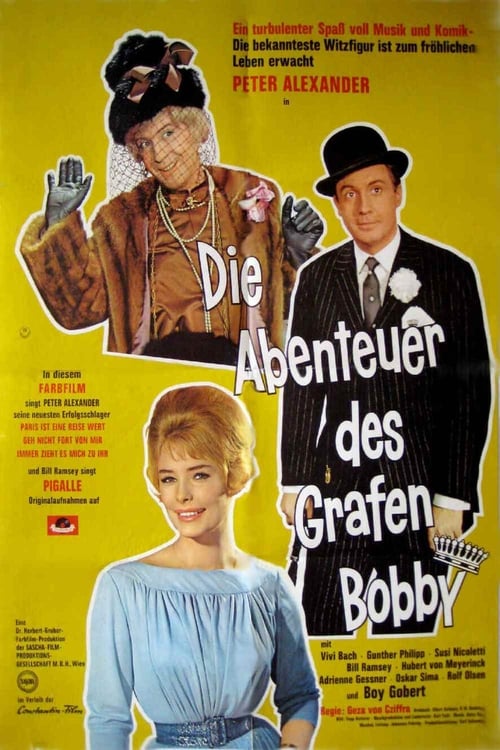
Die Abenteuer des Grafen Bobby
1961
No user ratings available yet
Representation score: 2.3 out of 10
Representation Score
Limited
1949
Director
Márton Keleti
Runtime
83 minutes
Average Rating
No ratings yetNew Showbiz Analysis
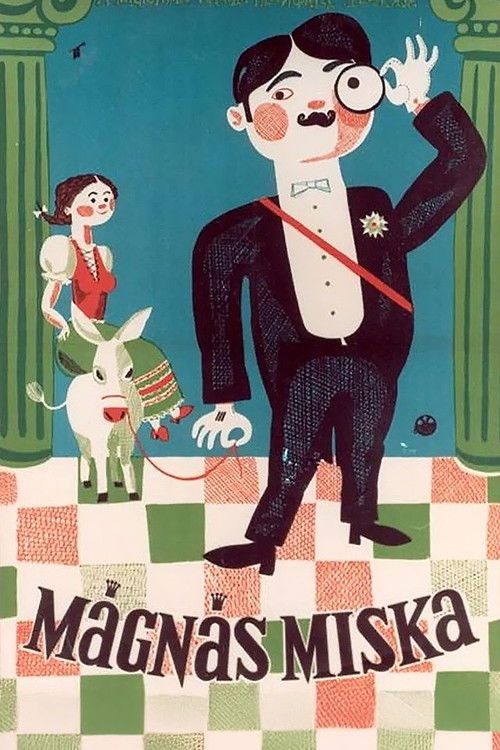
Mickey Magnate is a product of its 1949 Hungarian context, emphasizing class-based romantic comedy over complex social issues. The film uses the tension between feudal systems and industrial progress to drive its musical narrative. While the female lead gains some control through her disguise, the film adheres to the social norms of mid-century Central Europe, focusing more on social mobility than challenging systemic hierarchies.
Category Breakdown
The story focuses on a traditional romance between an engineer and a disguised noblewoman. There are no visible LGBTQ+ identities or critiques of heterosexuality.
Rolla uses a peasant disguise to navigate different social levels, giving her some tactical control. However, the plot stays rooted in traditional romantic and class-based themes.
The film reflects the demographic uniformity of mid-century Hungary. It focuses on class differences within a homogeneous society, without addressing diverse racial or ethnic backgrounds.
The plot explores the tension between landed nobility and industrial progress. It emphasizes the romanticization of class differences within a musical comedy setting.
There are no characters with visible or hidden disabilities playing key roles or facing specific stereotypes.
Present on Screen
Limited or Absent
Official Synopsis
Baracs Pista, engineer at the construction site of a railway line near the Korláthy estate, falls in love with Rolla, a countess disguised as a peasant girl. The count is giving a party as he wants the railway line to go across his lands.
1961
1948
1962
1967
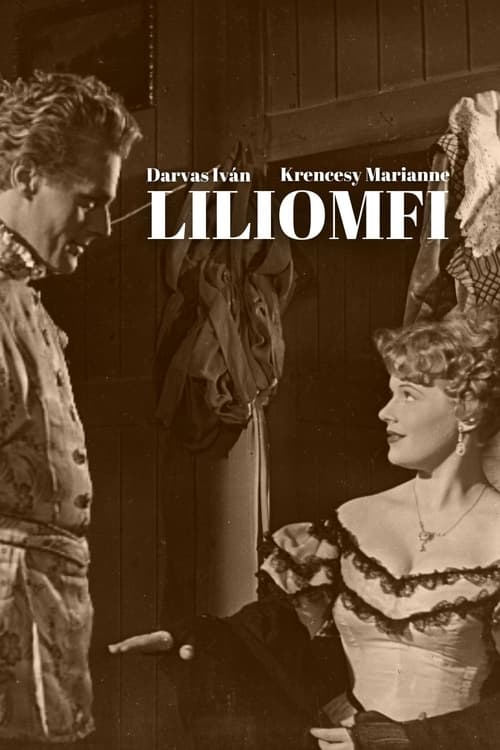
1955
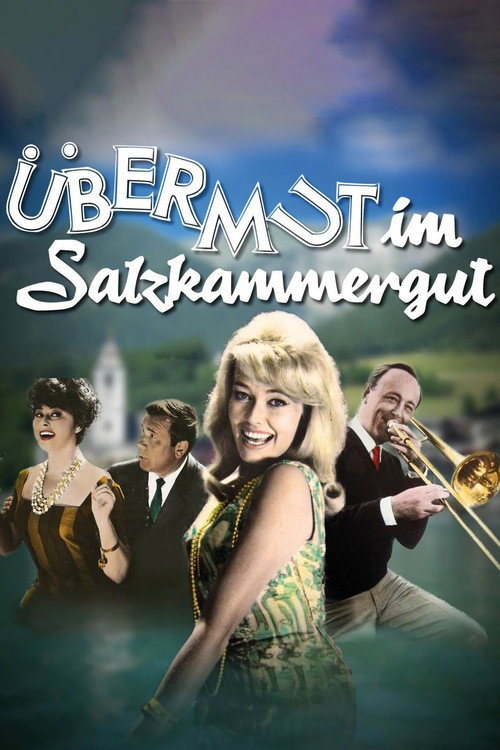
1963
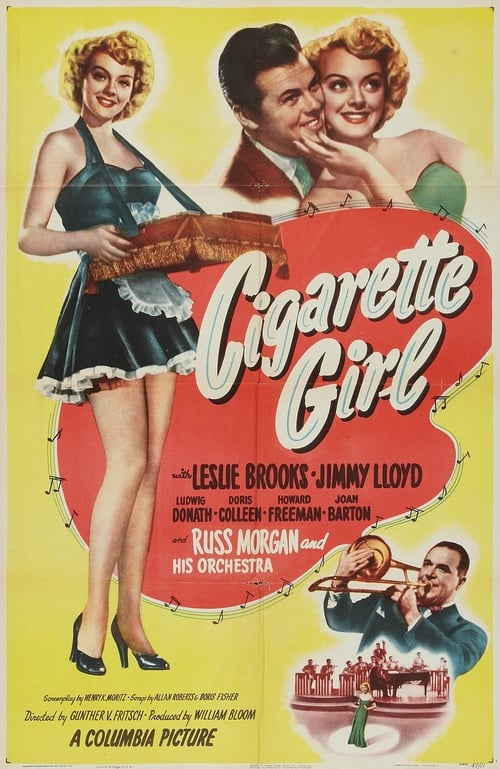
1947
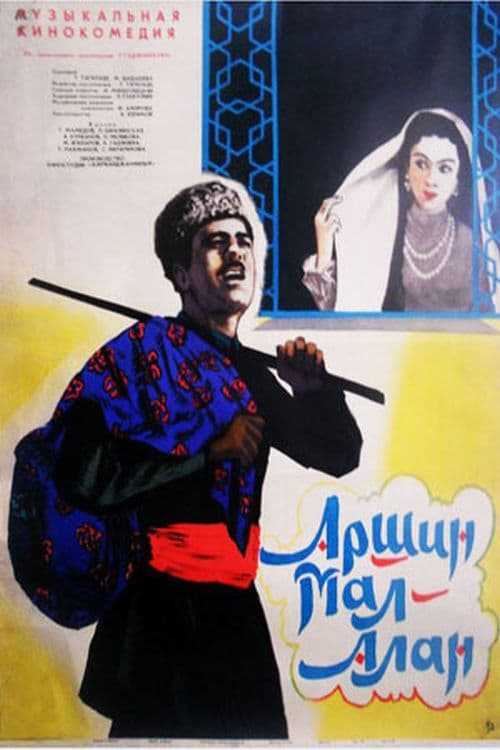
1945
No reviews yet. Be the first to share your thoughts on this movie!
Use the rating form above to leave a star rating and optional review.