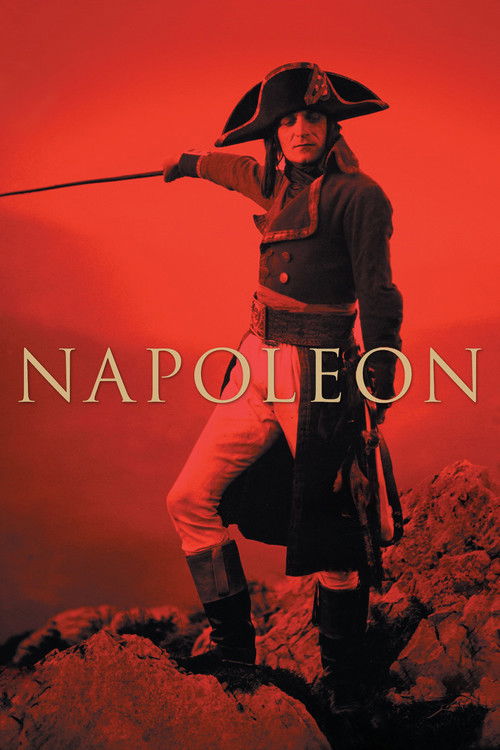
Napoleon
1927
No user ratings available yet
Representation score: 1.4 out of 10
Representation Score
Minimal
1955
Director
Sacha Guitry
Runtime
190 minutes
Average Rating
No ratings yetNew Showbiz Analysis
Sacha Guitry’s 1955 biopic is a traditional historical drama that highlights the personal charisma and romantic journey of Napoleon Bonaparte. It adheres to a mid-20th-century cinematic style emphasizing individual ability to act and European socio-political structures. The film focuses on the interpersonal dynamics between Napoleon and Josephine, but it remains rooted in the social hierarchies of the early 19th century. This results in a narrative that celebrates Western leadership while offering limited representation of diverse identities. Ultimately, the production upholds the historical status quo, focusing on the rise of a central European figure through a lens of traditional power and national identity.
Category Breakdown
The film does not include any LGBTQ+ characters or non-straight relationships. The romantic storyline focuses solely on the heterosexual relationship between Napoleon and Josephine.
Josephine significantly influences Napoleon intellectually and emotionally, going beyond typical domestic roles. However, female influence remains limited to romantic and domestic contexts rather than political leadership.
The cast is primarily white and European, reflecting the film's 1955 production standards. It portrays a homogeneous upper-class society without diverse ethnic viewpoints.
The narrative upholds traditional Western historical views and the idea of great leaders. It centers on European national identity and leadership without questioning traditional institutions.
The film does not prominently feature any visible or invisible disabilities. Characters are portrayed as physically strong and politically active.
Present on Screen
Limited or Absent
Official Synopsis
The film follows the life of Napoleon from his early life in Corsica to his death at Saint Helena. The film is notable for its use of location shooting for numerous scenes, especially at the French estates of Malmaison and Fontainebleau, the Palace of Versailles, and sites of Napoleonic battles including Austerlitz and Waterloo.
1927
1951
1960
1944
1985
1970
1914
1938
No reviews yet. Be the first to share your thoughts on this movie!
Use the rating form above to leave a star rating and optional review.