Free and Easy
1930
No user ratings available yet
Representation score: 1.1 out of 10
Representation Score
Minimal
1937
NRDirector
Edward Sedgwick
Runtime
76 minutes
Average Rating
No ratings yetNew Showbiz Analysis
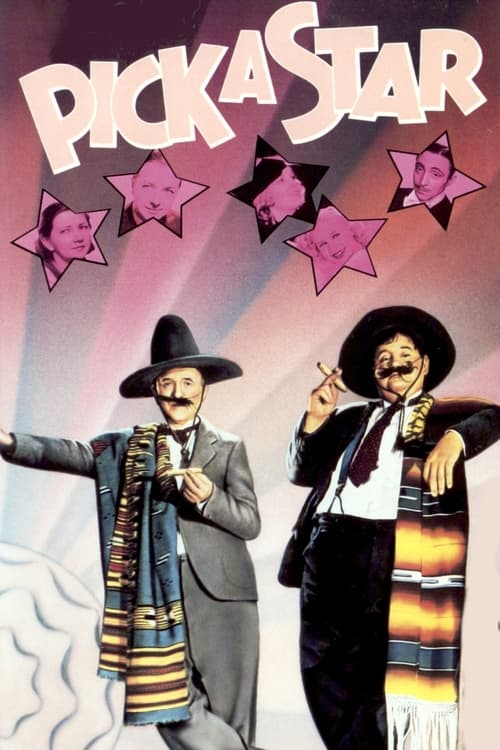
Pick a Star is a quintessential product of the Golden Age of Hollywood, designed for mainstream escapism. It follows a linear, aspirational trajectory that validates the existing social and industrial status quo of the era. The film relies heavily on traditional hierarchies. While the female lead possesses individual ability to act, her journey remains contained within a framework that reinforces conventional gender roles and capitalist ideals. Ultimately, the production lacks the intentionality to deconstruct systemic structures, offering a narrow, homogeneous view of success and identity typical of 1930s studio filmmaking.
Category Breakdown
The film does not include any LGBTQ+ characters or non-straight relationships. It adheres strictly to the traditional romantic and gendered expectations of 1930s Hollywood.
The film centers on a female protagonist pursuing stardom, but her success is mediated through a male publicity man, reinforcing conventional gender hierarchies.
The production reflects the homogeneous casting practices of the 1930s studio system. There is no evidence of significant racial or ethnic diversity.
The story celebrates the Hollywood studio system and the American Dream of upward mobility. It lacks any anti-capitalist critiques or secularist themes, upholding industry prestige.
There is no evidence of characters with visible or invisible disabilities. Disability is not used as a narrative device or plot point within the film.
Present on Screen
Limited or Absent
Official Synopsis
A Cinderella story of a young country girl who comes to Hollywood and achieves movie stardom with the help of a publicity man.
1930
1933
1937

1937

1944
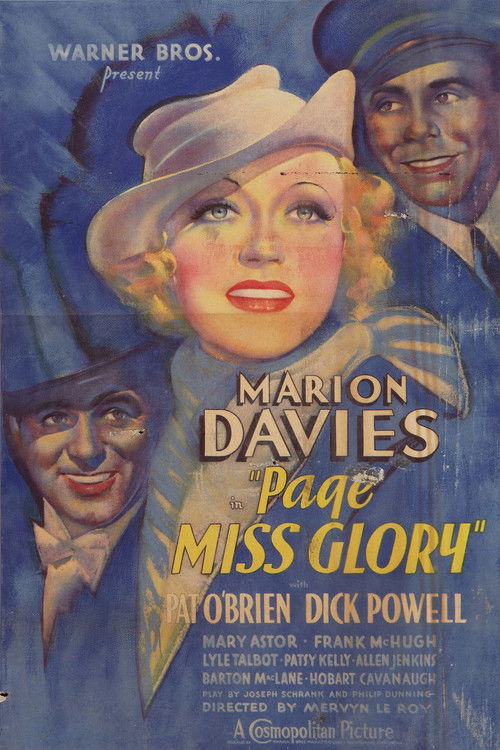
1935
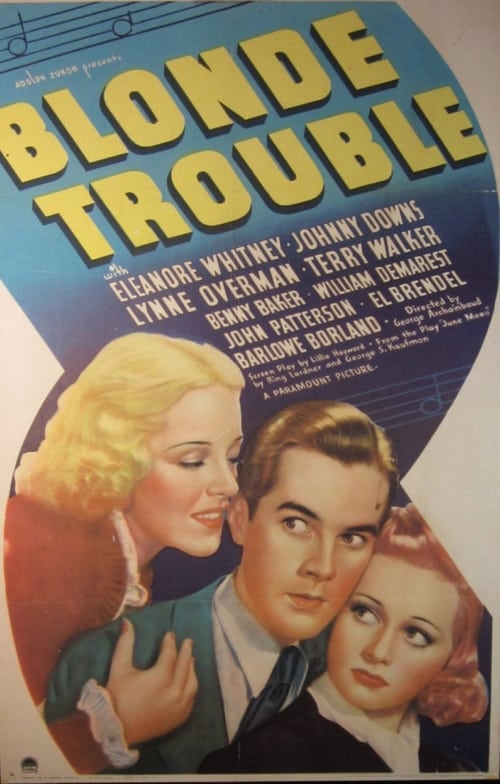
1937
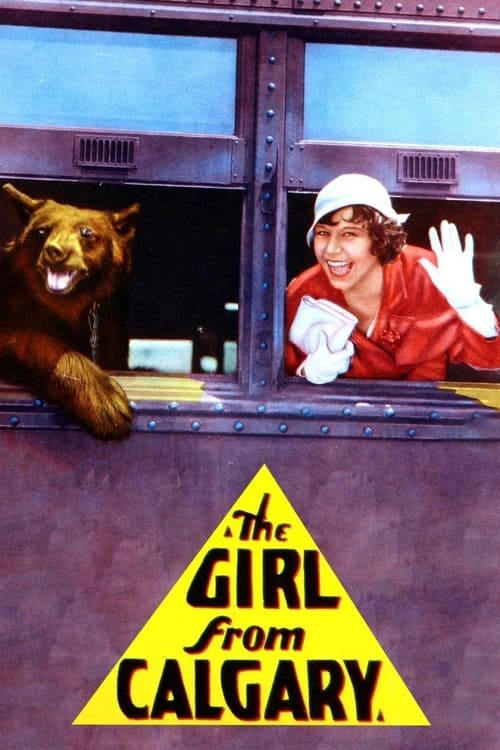
1932
No reviews yet. Be the first to share your thoughts on this movie!
Use the rating form above to leave a star rating and optional review.