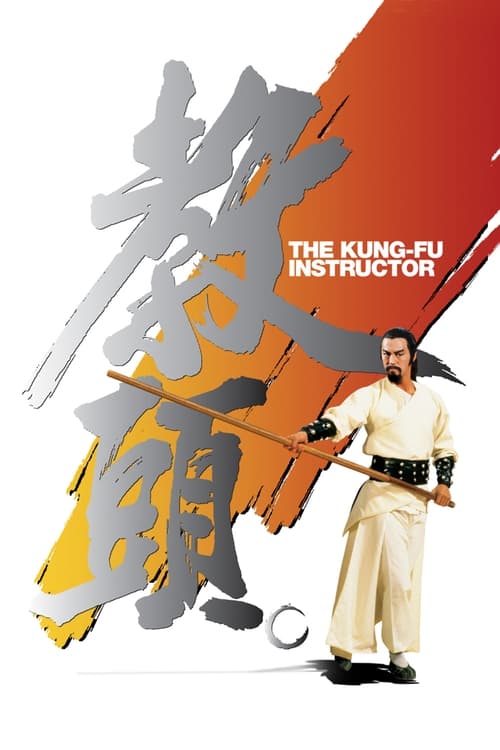
The Kung Fu Instructor
1979
No user ratings available yet
Diversity score: 2.2 out of 10
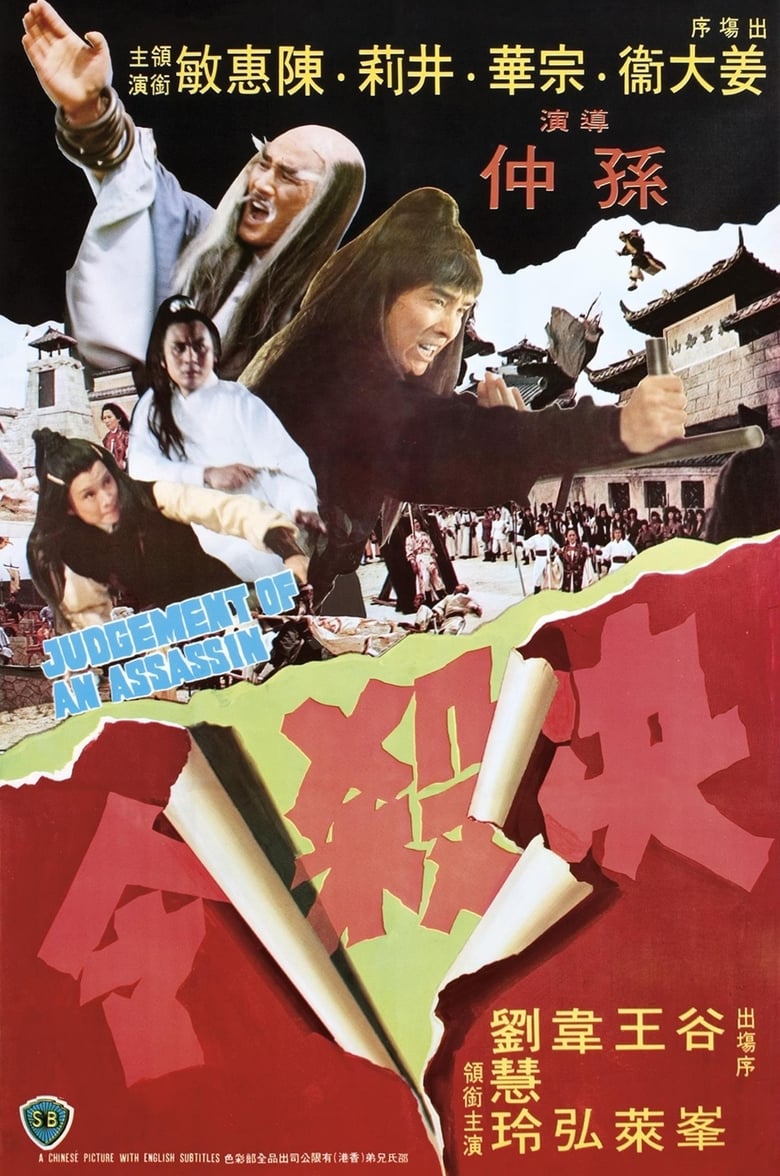
1977
Director
Sun Chung
Runtime
94 minutes
Average Rating
No ratings yetSynopsis
Sun Chung was already a valued comedy, romance, and modern crime filmmaker, when, through this tale of the 100 Poison Clique's obsessive ambition to destroy all rivals, he started bringing morality and motivation to martial arts movies like never before. Kung-fu superstar David Chiang and prominent choreographer Tang Chia lead the cast in a bloody clan clash centered on the trial of an admitted mass murderer and serial rapist. It was just the beginning of Sun Chung's exploration in emotion.
Overall Score
Limited
Category Breakdown
LGBTQ+ Representation
The film focuses on traditional masculine hierarchies and martial arts clan dynamics. There is no presence of non-cisnormative identities or same-sex intimacy.
Gender Representation
Narrative agency is concentrated almost exclusively in male characters within military and clan leadership. The film does not subvert gender roles or present women in dominant positions.
Racial & Ethnic Diversity
The cast is culturally homogeneous, providing an authentic representation of Chinese identity within its historical setting. It avoids Western or Anglo-Saxon presence to maintain a localized perspective.
Religious & Cultural Diversity
The story explores political betrayal and systemic instability during the warlord era. It leans toward traditional notions of clan honor and retribution rather than modern social critiques.
Disability Representation
There is no discernible focus on physical or neurodivergent representation. Characters are defined by martial prowess and political standing rather than disability.
Strengths
Areas for Improvement
AI Analysis
Sun Chung’s 1977 film marks a transition in the martial arts genre, moving toward psychological complexity and moral nuance. While it departs from simplistic hero-versus-villain tropes, it remains deeply embedded in the patriarchal structures of its era. The film prioritizes historical authenticity and masculine archetypes over intersectional representation. It functions as a character study of power and vengeance, staying within the traditionalist framework of the 1930s setting. Ultimately, the work excels in emotional depth but lacks diversity in gender, disability, and LGBTQ+ identities, reflecting the period-specific focus of its production.
1979
1985
1980
1978
1971
1977
1974
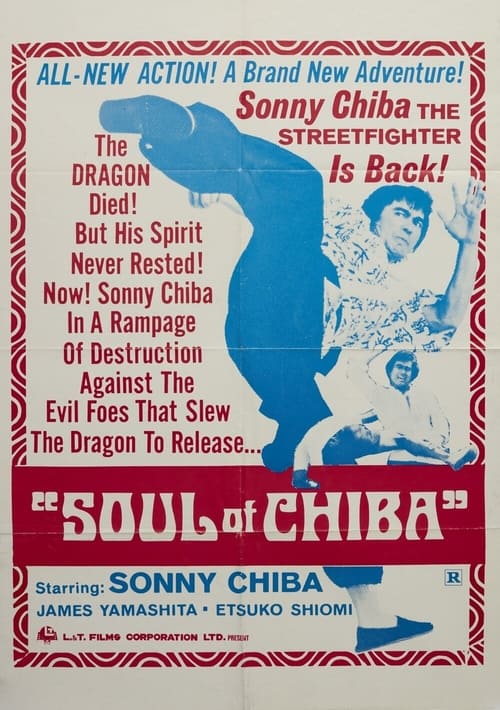
1977
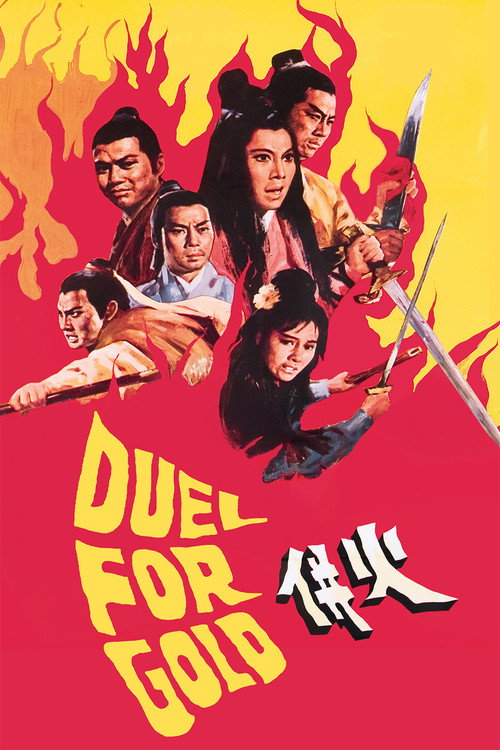
1971
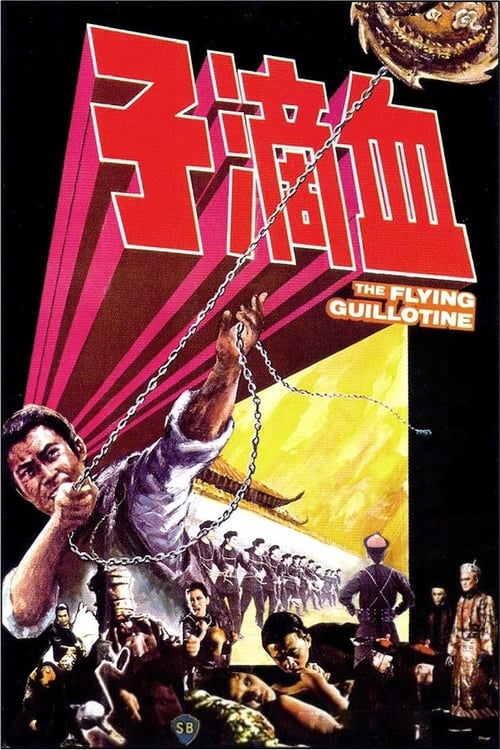
1975
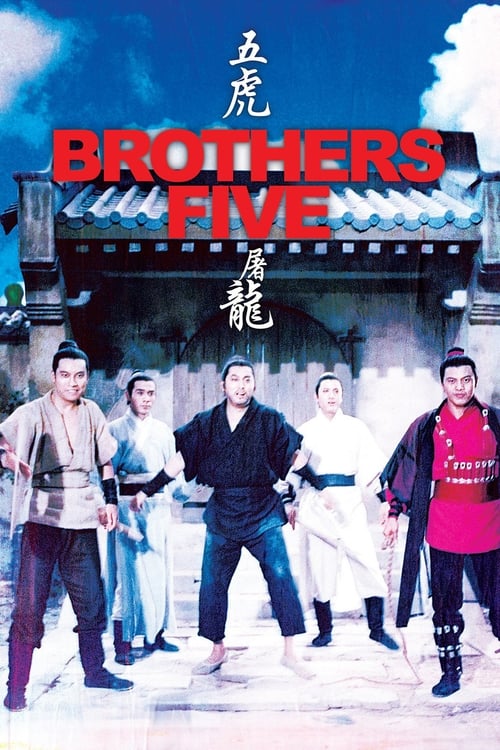
1970
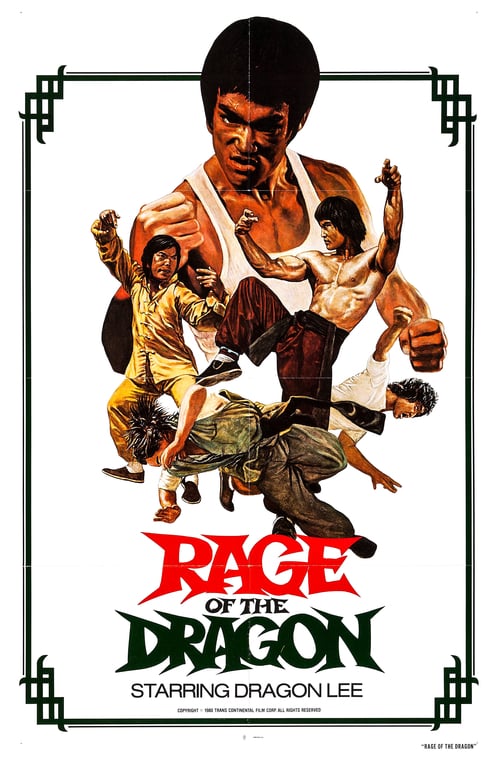
1980
No reviews yet. Be the first to share your thoughts on this movie!
Use the rating form above to leave a star rating and optional review.