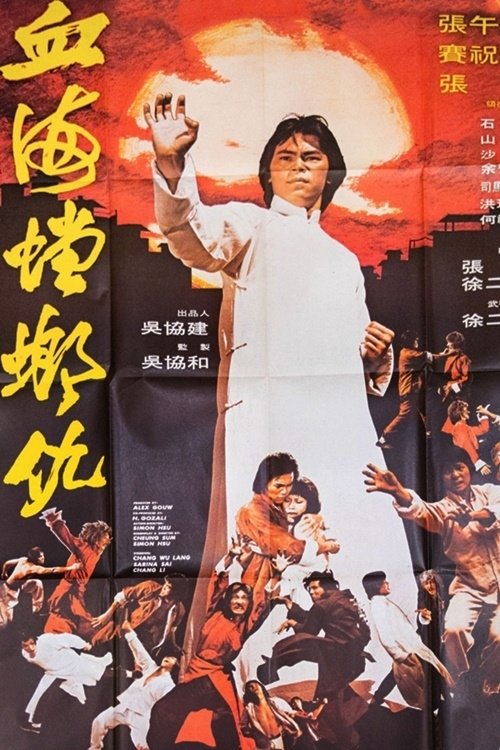
Mantis Fists & Tiger Claws of Shaolin
1977
No user ratings available yet
Representation score: 2.1 out of 10
Representation Score
Limited
1974
Director
Pao Hsueh-Li
Runtime
86 minutes
Average Rating
No ratings yetNew Showbiz Analysis
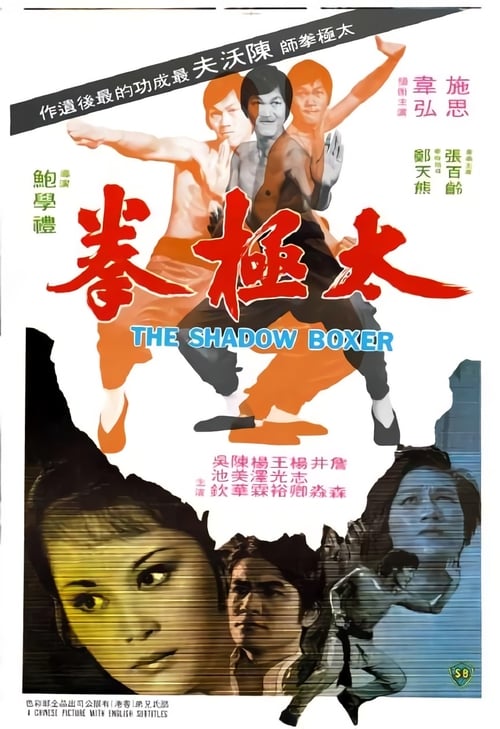
The Shadow Boxer is a genre-standard martial arts film that adheres to the cinematic conventions of the 1970s. It succeeds in centering Eastern philosophy and martial arts expertise, providing a strong cultural anchor for its audience. However, the film's narrative architecture relies heavily on traditional gender roles. Women primarily serve as passive catalysts for the male protagonist's development rather than independent agents. Ultimately, while the film is a significant cultural export, it lacks the complexity or systemic critique found in more progressive modern cinema.
Category Breakdown
The film does not include any LGBTQ+ characters or non-cisgender identities. The main romantic relationship follows traditional heterosexual norms.
Women primarily serve as passive catalysts for the male protagonist's growth. The story relies on traditional masculine archetypes of the protector and warrior.
The film offers meaningful representation of Eastern identity through its cast. It centers non-Western expertise and explores traditional Chinese martial arts as a narrative pillar.
The story operates within a framework of traditional morality and justice. It follows a classical heroic structure rather than deconstructing traditional institutions.
There is no evidence regarding the depiction of physical or neurodivergent disabilities in the narrative.
Present on Screen
Limited or Absent
Official Synopsis
Chen Wo-Fu plays construction worker Ku Ting, whose skill at "tai chi" (shadow boxing) is as great as his pacifism. But when his girlfriend is raped by vicious gangsters, he shows everyone the true power and beauty of tai chi.
1977
1976
1974
1967
1976
1973
1976

1973
No reviews yet. Be the first to share your thoughts on this movie!
Use the rating form above to leave a star rating and optional review.