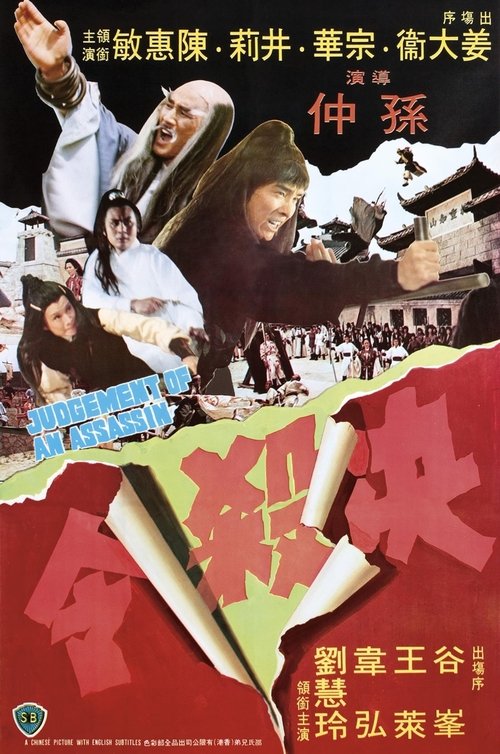
Judgement of an Assassin
1977
No user ratings available yet
Diversity score: 2.7 out of 10
1980
Director
Sun Chung
Runtime
98 minutes
Average Rating
No ratings yetSynopsis
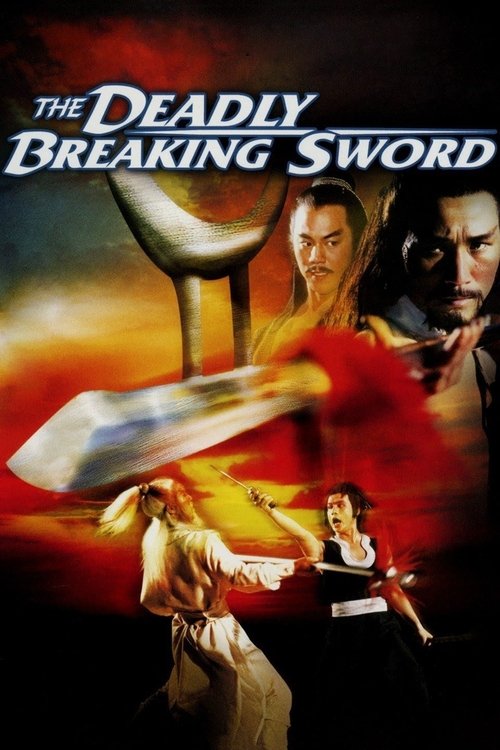
Sun Chung had been recognized as an expert comedy and crime thriller director, but he was to gain even greater acclaim for his soulful, powerful, intelligent, and beautifully-made martial arts epics. This stands alongside The Deadly Breaking Sword and The Kung-fu Instructor as one of his very best. It’s not so much the plot – a master swordsman protects a treasure chest on a dangerous journey – that makes this great, but what Sun does with it, inspiring the cast and crew to some of their finest work.
Overall Score
Limited
Category Breakdown
LGBTQ+ Representation
The film adheres to the conventional social structures of 1980s Hong Kong action cinema. There are no visible LGBTQ+ characters or narratives that critique heteronormativity.
Gender Representation
The narrative centers on a master swordsman, suggesting a traditional masculine leadership model. It lacks evidence of female characters possessing high agency or subverting gender hierarchies.
Racial & Ethnic Diversity
As a Hong Kong production, the film features a predominantly East Asian cast. It provides a significant non-Western narrative perspective but lacks multi-ethnic mixing.
Religious & Cultural Diversity
The story operates within traditional martial arts frameworks emphasizing honor and duty. It follows established cultural norms rather than seeking to deconstruct them.
Disability Representation
There is no evidence of characters with disabilities being portrayed with agency. Physical impairment is not a documented element of the characterizations.
Strengths
Areas for Improvement
AI Analysis
Sun Chung’s martial arts epic is a masterclass in technical genre filmmaking, prioritizing soulful storytelling and physical mastery. It serves as a vital example of non-Western cinematic agency, offering a perspective outside the Anglo-Saxon mainstream. However, the film remains firmly rooted in the social hierarchies of its era. The narrative architecture relies on traditional masculine leadership and conventional social structures, lacking the intersectional complexity found in modern cinema. Ultimately, the work excels as a genre piece but does not seek to subvert the status quo regarding gender, sexuality, or disability.
1977
1985
1979
1979
1982
1977
1978
1977
1978

1977

1980
1982
No reviews yet. Be the first to share your thoughts on this movie!
Use the rating form above to leave a star rating and optional review.