
The Guy with the Secret Kung Fu
1980
No user ratings available yet
Diversity score: 3.1 out of 10
1971
RDirector
Wu Min-Hsiung
Runtime
90 minutes
Average Rating
No ratings yetSynopsis
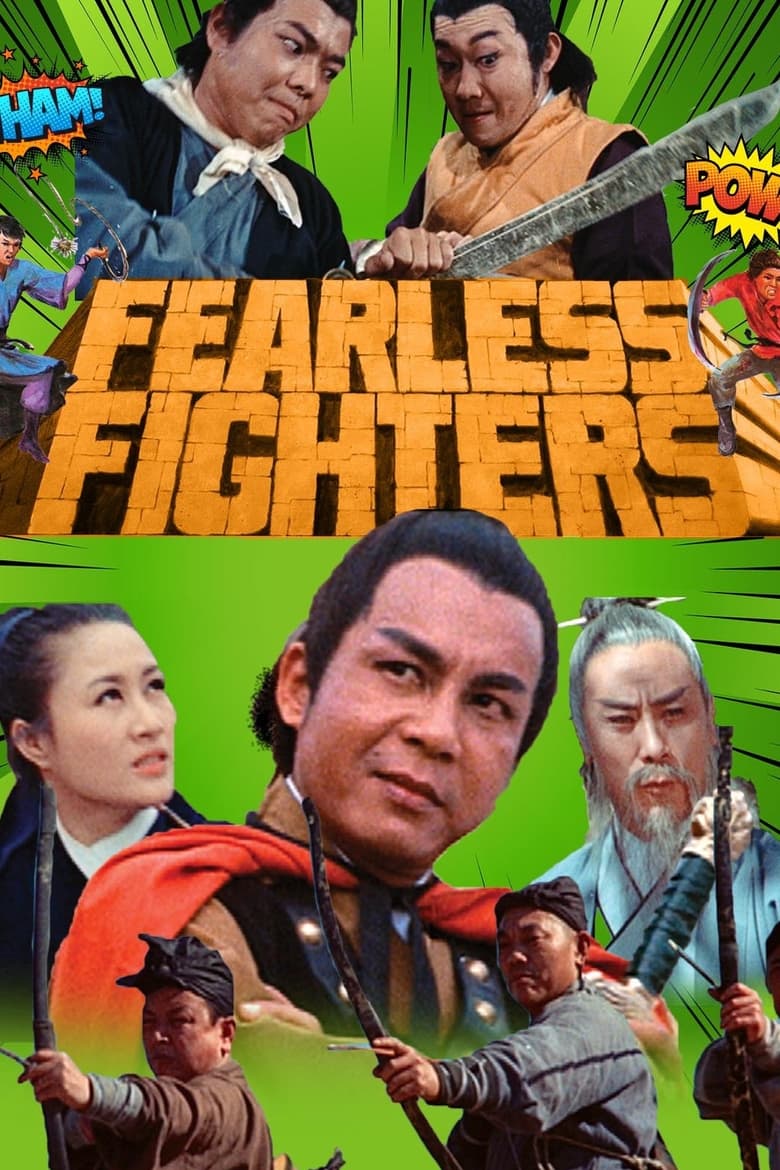
When To Pa, a member of the prestigious Eagle Claw Clan, commands his followers to carry out a mutinous robbery against the Almighty Imperial Lightning Whip, the victim's children are shaken by his disloyalty. With the help of one of To Pa's former minions, who's grown disillusioned with his leader's unconscionable actions, they organize a battle to avenge their father.
Overall Score
Limited
Category Breakdown
LGBTQ+ Representation
The film lacks any evidence of non-cisnormative identities or same-sex intimacy. The story focuses entirely on patriarchal lineage and clan-based conflicts.
Gender Representation
The narrative is driven by male-dominated hierarchies and clan leaders. While the victim's children seek agency, the primary conflict remains centered on male figures.
Racial & Ethnic Diversity
The film provides representation of East Asian martial arts culture. However, it operates within a homogeneous cultural framework typical of its 1971 production era.
Religious & Cultural Diversity
The plot explores themes of honor, retribution, and institutional loyalty. It focuses on traditional restorative justice rather than systemic or modern social critiques.
Disability Representation
There is no information regarding the inclusion or portrayal of characters with physical or neurodivergent disabilities.
Strengths
Areas for Improvement
AI Analysis
Fearless Fighters is a traditional martial arts film that prioritizes genre tropes over modern intersectional themes. The narrative centers on a classic revenge arc involving clan betrayal and familial duty. While the film offers cultural representation through its East Asian martial arts setting, it functions within a very narrow, homogeneous framework. The power dynamics are rooted in established patriarchal hierarchies rather than the subversion of identity-based roles. Ultimately, the film reinforces traditional heroic archetypes. It seeks to restore honor through vengeance rather than deconstructing systemic social structures.
1980
1980
1970
1977
1971
1977
1971
1981
1972
1987
1977
1982
No reviews yet. Be the first to share your thoughts on this movie!
Use the rating form above to leave a star rating and optional review.