
Pane e libertà
2009
No user ratings available yet
Representation score: 3.6 out of 10
Representation Score
Fair
2003
Director
Thomas Freundner
Runtime
95 minutes
Average Rating
No ratings yetNew Showbiz Analysis
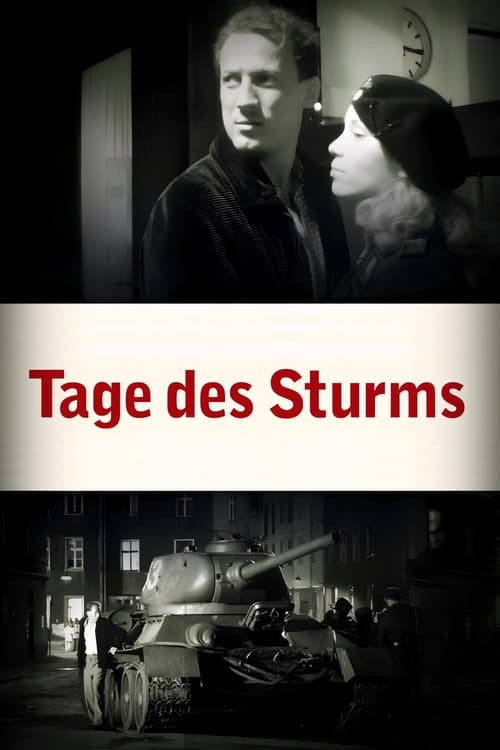
Tage des Sturms is a period drama that focuses on historical realism and the critique of institutional power rather than modern identity-based representation. It uses a domestic lens to explore the tension between individual ability to act and state-imposed structures during the 1953 GDR uprising. The film's strength lies in its cultural analysis of systemic oppression. It effectively challenges the legitimacy of traditional political authority through the lens of civil disobedience. However, the work lacks diversity in terms of LGBTQ+ representation and racial diversity due to the historical and geographic constraints of the setting.
Category Breakdown
The film does not include any explicit LGBTQ+ characters or stories that go beyond the assumption that everyone is straight. The focus is on the political and family dynamics of the 1953 GDR setting.
By focusing on a family during a time of political change, the film looks at how gender roles play out under high pressure. Female characters likely serve as emotional support against the strict, patriarchal state structures.
The setting in Bitterfeld and the 1953 timeframe suggest an ethnically uniform cast. This reflects the historical accuracy of the era rather than a deliberate exclusion of diverse casting.
The film excels in showing the struggles of individuals against a centralized authority. It portrays established political structures as restrictive and corrupt.
There is no information about whether the film includes characters with physical or neurodivergent disabilities.
Present on Screen
Limited or Absent
Official Synopsis
On June 17, 1953, there was an outrageous action between the Elbe and the Oder: the people in the GDR refused obedience to their political leadership. The story takes place in Bitterfeld and tells the story of a family involved in the political events around 17 June.
2009
2018
2019
2020

2015
1977

2016

2022
No reviews yet. Be the first to share your thoughts on this movie!
Use the rating form above to leave a star rating and optional review.