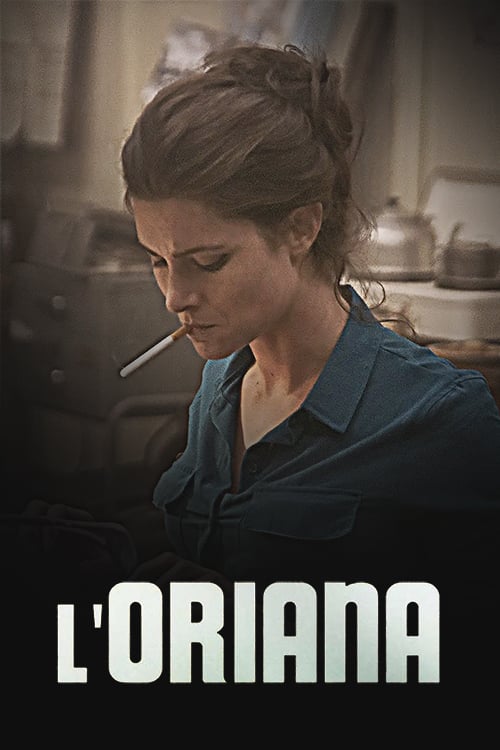
L'Oriana
2015
No user ratings available yet
Representation score: 2.5 out of 10
Representation Score
Limited
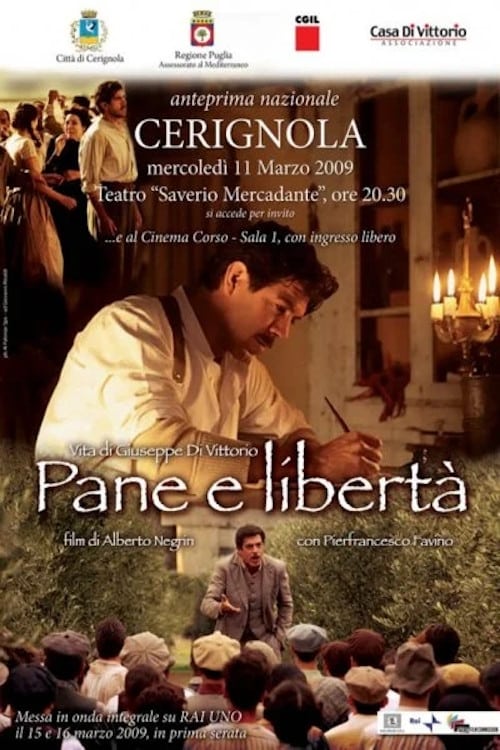
2009
Director
Alberto Negrin
Runtime
210 minutes
Average Rating
No ratings yetNew Showbiz Analysis
Alberto Negrin's historical drama examines the resistance against fascist structures through the life of Giuseppe Di Vittorio. The film delves into the ethnic and cultural experiences of underrepresented groups during the occupation. However, it adheres to the traditional gender roles of the time, with women playing secondary roles to the male political figures. Ultimately, the film is a sophisticated exploration of political upheaval and the moral complexities of resisting totalitarianism.
Category Breakdown
The film does not include any LGBTQ+ characters or stories that address non-straight relationships.
The story focuses on male-dominated areas of labor unions and political leadership from the mid-20th century. Women play supporting roles rather than driving the main political storylines.
The film highlights the Jewish experience during the Holocaust, exploring ethnic identity and the persecution faced by Jewish populations under fascist rule.
The movie centers around a communist labor leader, emphasizing the struggle of the working class against oppressive regimes and traditional authority.
The film does not portray any characters with visible or invisible disabilities.
Present on Screen
Limited or Absent
Official Synopsis
About comunist politician and labor union leader Giuseppe Di Vittorio.
2015
1971

2023

2009

2003
2020
1997
1955
No reviews yet. Be the first to share your thoughts on this movie!
Use the rating form above to leave a star rating and optional review.