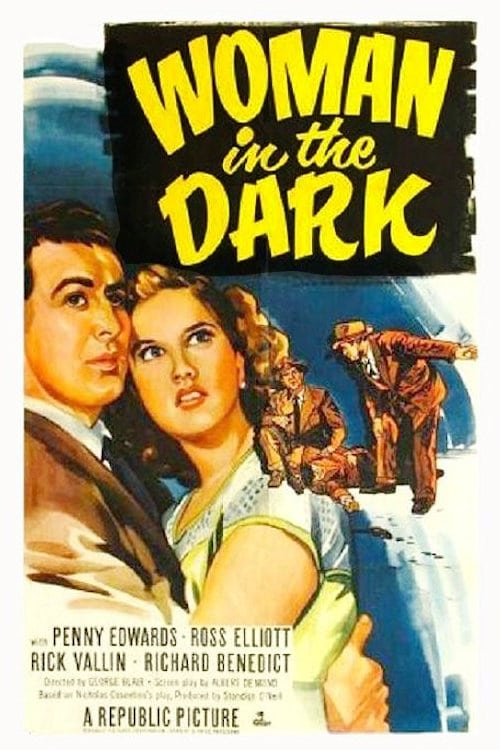
Woman in the Dark
1952
No user ratings available yet
Representation score: 0.4 out of 10
Representation Score
Minimal
1939
ApprovedDirector
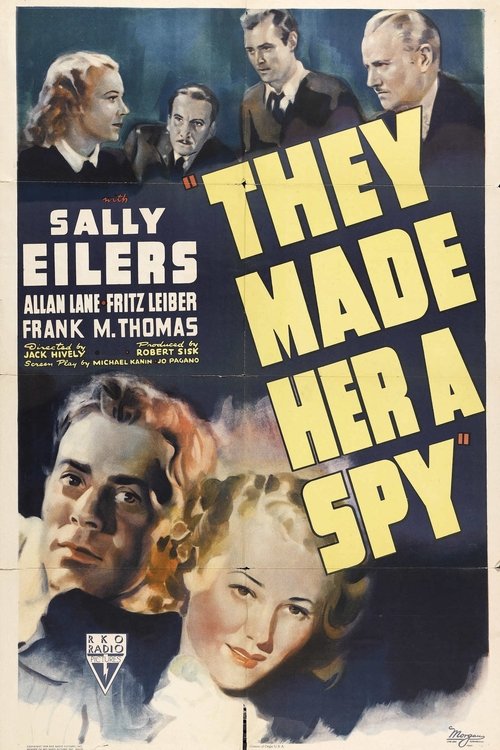
Jack Hively
Runtime
69 minutes
Average Rating
No ratings yetNew Showbiz Analysis
This 1939 crime drama functions as a standard genre piece of its era. While it avoids the cliché of the passive female victim by giving Irene Eaton a role in the secret service, her motivations remain tied to conventional familial obligations. The film lacks complexity in reflecting multiple aspects of identity, adhering to the demographic norms and assumptions that everyone is straight or cisgender of the late 1930s studio system. It reinforces institutional patriotism rather than challenging social hierarchies. Ultimately, the work serves as a period-typical espionage story that prioritizes traditional duty and national service over diverse representation.
Category Breakdown
The film follows a traditional espionage storyline focused on revenge. There are no depictions of same-sex relationships or non-binary gender identities.
Irene Eaton transitions from a grieving civilian to an active secret service agent, providing her with a significant role in driving the story. Her motivation stems from her family's loss, specifically her brother's death.
The production reflects the homogeneous casting standards typical of 1939 studio dramas. There is no evidence of a diverse or non-Anglo-Saxon cast.
The narrative reinforces patriotism and state service through the protagonist's mission. It aligns with traditional Western values of justice and national duty.
The film contains no documented characters with physical or neurodivergent disabilities.
Present on Screen
Limited or Absent
Official Synopsis
When her brother is killed by sabotage, Irene Eaton (Sally Eilers) joins the secret service and goes undercover to unroot the culprits.
1952
1940

1948

1992

1936

1961
1931

1949
No reviews yet. Be the first to share your thoughts on this movie!
Use the rating form above to leave a star rating and optional review.