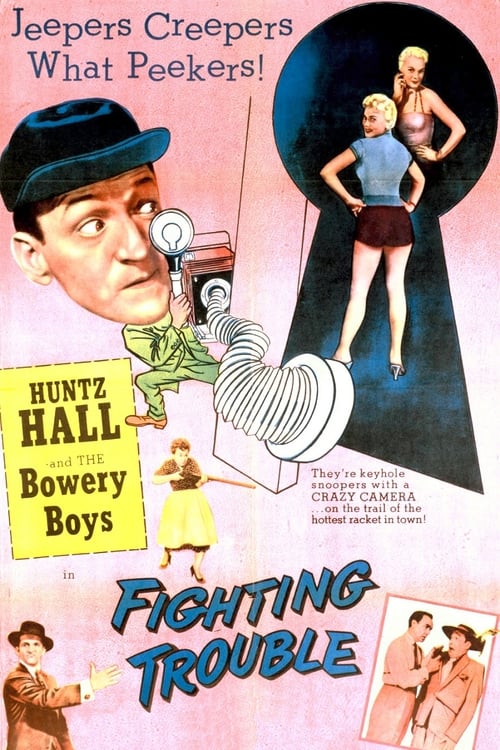
Fighting Trouble
1956
No user ratings available yet
Representation score: 0.6 out of 10
Representation Score
Minimal
1948
ApprovedDirector
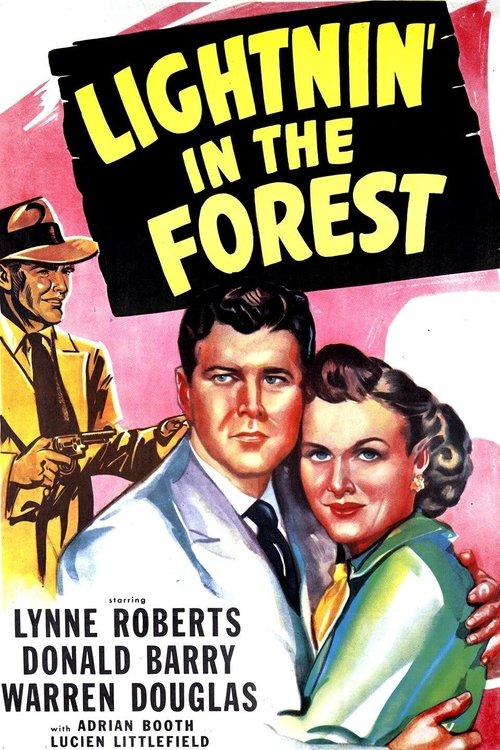
George Blair
Runtime
58 minutes
Average Rating
No ratings yetNew Showbiz Analysis
Lightnin' in the Forest is a typical mid-century adventure film that adheres to the cinematic norms of its time. The narrative structure relies heavily on traditional gender and racial hierarchies, offering little challenge to the status quo. The film's approach to cultural representation is constrained by a colonial-era viewpoint. Although African tribal members are part of the supporting cast, the story centers on the white protagonist's journey, giving them the primary ability to act. Overall, the film lacks the intentionality needed to develop nuanced, multi-layered characters. It operates within a conventional Western framework that upholds established social orders without questioning them.
Category Breakdown
The film does not include any identifiable LGBTQ+ characters or queer relationships. It follows the traditional heterosexual norms of 1940s adventure films.
The story focuses on a male protagonist who drives the action. A glamorous female character is present but the film upholds traditional gender roles of the mid-20th century.
African tribal members appear in the film, but the story is told through a colonial-era perspective. The main ability to act remains with the white protagonist, reinforcing a white savior cliché.
The film portrays cross-cultural interactions through a traditional Western lens. It supports colonial-era social orders without questioning Western institutions or viewpoints.
The film does not depict any neurodivergent or physically disabled characters. Disability is not used as a central narrative element.
Present on Screen
Limited or Absent
Official Synopsis
Psychiatrist David Lamont is pressured into "analyzing" the madcap but glamorous niece of a judge. Then crooks on the lam intrude...
1956
1952

1980
1939
1932
1945
1974
1942
No reviews yet. Be the first to share your thoughts on this movie!
Use the rating form above to leave a star rating and optional review.