We Can Do That
2008
No user ratings available yet
Representation score: 8.0 out of 10
Representation Score
Good
1993
Director
Francesca Archibugi
Runtime
98 minutes
Average Rating
No ratings yetNew Showbiz Analysis
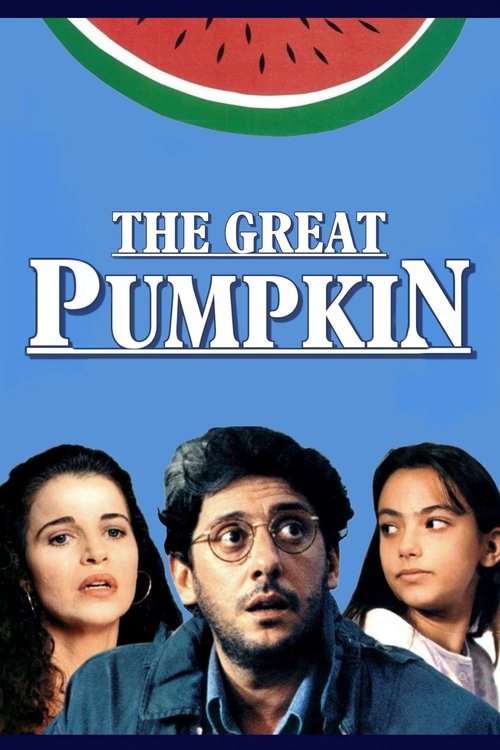
The film excels in its portrayal of neurodivergence, placing a character with epilepsy at the heart of the narrative. By centering the plot on her personal journey through a medical error, the film avoids superficial clichés and offers a nuanced look at disability. However, the production is limited by the social and demographic norms of 1990s Italian cinema. This results in a lack of visible racial diversity and no clear representation of LGBTQ+ themes. Ultimately, the film is a character-driven study of institutional failure and individual ability to act, providing meaningful representation for neurodivergent characters despite its era-specific constraints.
Category Breakdown
There is no explicit depiction of LGBTQ+ identities or dynamics that challenge the assumption that everyone is straight or cisgender. The narrative focuses solely on a medical and developmental journey.
The story centers around a young female protagonist, Pippi, who navigates systemic errors. This focus on a girl's ability to drive the story suggests a departure from traditional patriarchal roles.
As a 1993 Italian production, the cast likely reflects the demographic homogeneity of that era. There is no specific evidence of multicultural casting.
The film critiques the fallibility of Western medical institutions through an administrative error. It prioritizes a subjective experience over rigid, institutionalized reality.
The narrative provides a platform for a protagonist with epilepsy to drive the plot. It treats her medical condition as a core lived experience rather than a device.
Present on Screen
Limited or Absent
Official Synopsis
An epileptic 12-year-old girl, Pippi, is hospitalized in the psychiatric ward instead of the neurological ward, due to an administration error. Out of this mistake begins the difficult journey towards being cured.
2008

2002
2010
1993

2021
2019
2009

1985
No reviews yet. Be the first to share your thoughts on this movie!
Use the rating form above to leave a star rating and optional review.