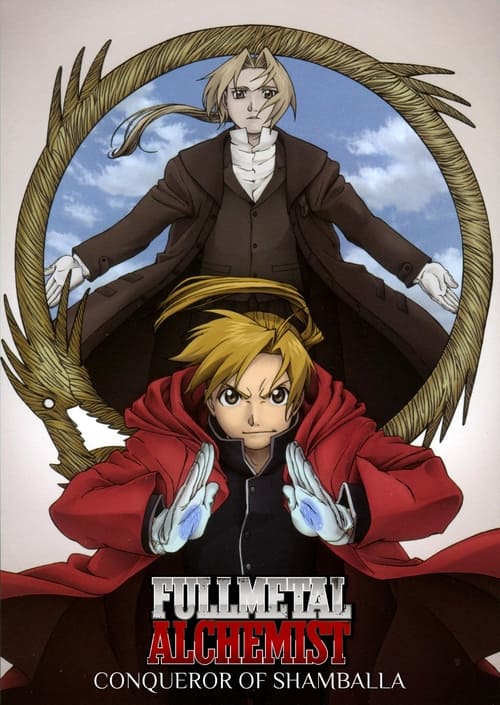
Fullmetal Alchemist the Movie: Conqueror of Shamballa
2005
No user ratings available yet
Representation score: 7.1 out of 10
Representation Score
Good
2011
PG-13Director
Kazuya Murata
Runtime
110 minutes
Average Rating
No ratings yetNew Showbiz Analysis
The film effectively uses high-fantasy settings to explore systemic power dynamics and post-colonial themes. By focusing on the Milosian people, it offers a nuanced look at ethnic identity and state-sponsored exclusion. While the narrative architecture is strong in critiquing ethnic and cultural issues, it lacks visibility for LGBTQ+ identities. Gender representation is a notable strength, with women portrayed as essential, highly competent contributors to the scientific and political discourse.
Category Breakdown
The film does not include explicit LGBTQ+ characters or non-cisgender identities. Instead, it focuses on the geopolitical struggles and the bond between the Elric brothers.
Female characters such as Julia and Winry Rockbell are portrayed as competent and active participants in the resistance movement, showcasing their technical and alchemical expertise.
The story centers around the Milosian people, a underrepresented group facing systemic discrimination. Their struggle for cultural sovereignty serves as a metaphor for displaced populations.
The film critiques state institutions and explores the moral complexities faced by a displaced community. It frames the pursuit of sacred relics through the lens of survival.
Characters navigate physical and psychological consequences within their environment. However, specific depictions of neurodivergence or visible disabilities are not primary drivers of the narrative.
Present on Screen
Limited or Absent
Official Synopsis
A fugitive alchemist with mysterious abilities leads the Elric brothers to a distant valley of slums inhabited by the Milos, a proud people struggling against bureaucratic exploitation. Ed and Al quickly find themselves in the middle of a rising rebellion, as the exiled Milos lash out against their oppressors. At the heart of the conflict is Julia, a young alchemist befriended by Alphonse. She'll stop at nothing to restore the Milos to their former glory – even if that means harnessing the awful power of the mythical Philosopher's Stone.
2005

2010

2008

2009
2017
2022
2022

2007
No reviews yet. Be the first to share your thoughts on this movie!
Use the rating form above to leave a star rating and optional review.