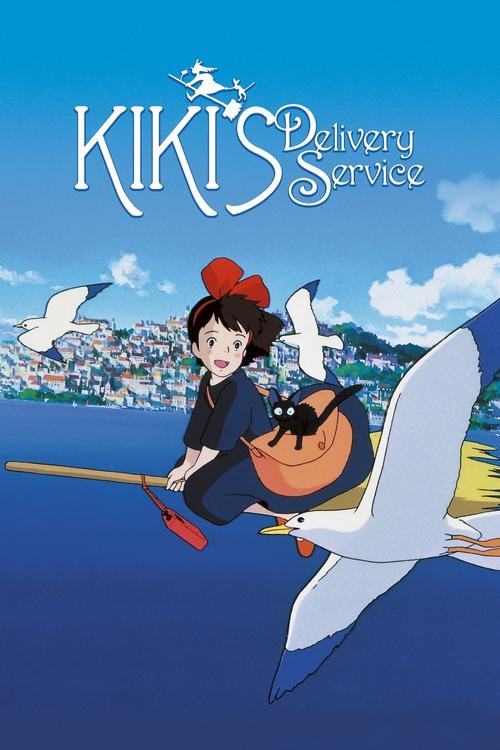
Kiki's Delivery Service
1989
No user ratings available yet
Representation score: 5.9 out of 10
Representation Score
Fair
2001
PGDirector
Hayao Miyazaki
Runtime
125 minutes
Average Rating
No ratings yetNew Showbiz Analysis
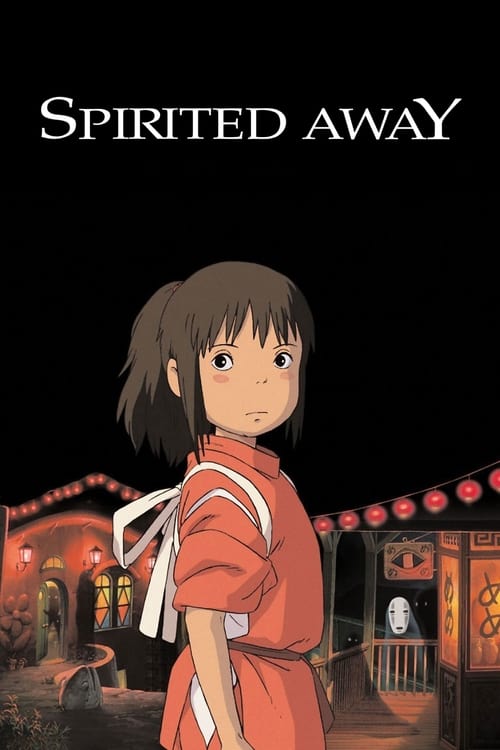
The film argues that personal integrity and labor supersede material greed. It positions respect for the natural and spiritual world as essential, punishing consumerism with transformation. Chihiro’s journey inverts the typical parent-child dynamic, positioning the child as the moral and practical savior. The story validates traditional Japanese cultural values while critiquing modern entitlement. It offers a quiet but firm defense of duty, purity, and earned respect over inherited status or wealth.
Category Breakdown
No LGBTQ+ characters or same-sex romance appear in the film. The tension between Chihiro and Haku focuses on mutual rescue rather than sexual expression. No identity-based conflict drives the plot.
Chihiro drives the plot through labor and moral courage, evolving into a competent worker. Yubaba serves as the powerful matriarch and primary antagonist. Haku is a dependent protector whose identity is restored by Chihiro.
The cast is entirely Japanese, reflecting the film’s specific cultural setting and folklore. No non-Japanese characters appear, and the narrative does not address racial dynamics. The spirit world is populated by mythological entities rather than diverse human ethnicities.
The film honors Shinto-Buddhist concepts of purity, pollution, and respect for the natural world. Traditional family structures are questioned as Chihiro’s parents are punished for consumerist greed. Hard work and integrity are treated as the highest virtues, contrasting with material emptiness.
No characters have lasting physical or cognitive disabilities. Transformations, such as the parents becoming pigs or Haku’s injury, are magical consequences of moral failings. Boh’s giant size is a metaphor for entitlement, not a depiction of disability.
Present on Screen
Limited or Absent
Official Synopsis
A young girl, Chihiro, becomes trapped in a strange new world of spirits. When her parents undergo a mysterious transformation, she must call upon the courage she never knew she had to free her family.
1989
1989
2004
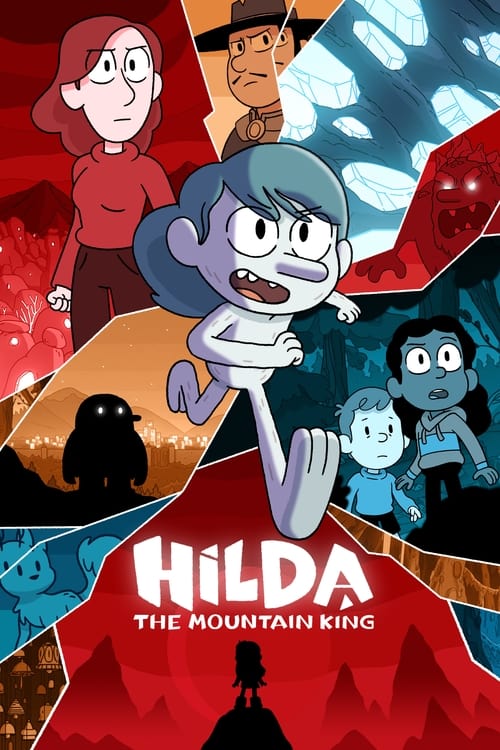
2021
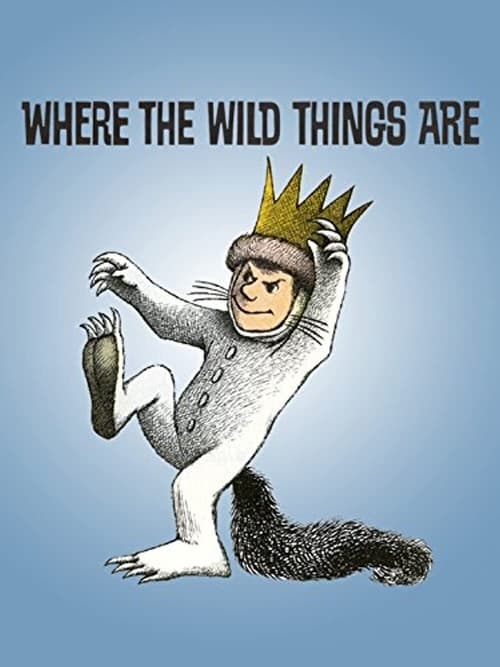
1975
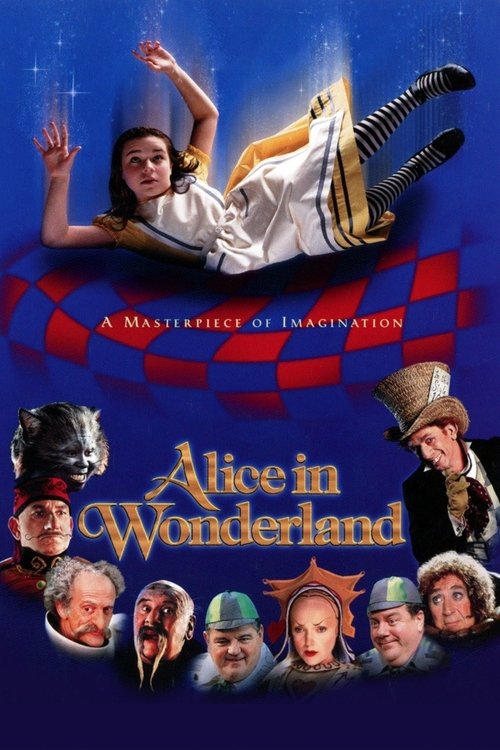
1999
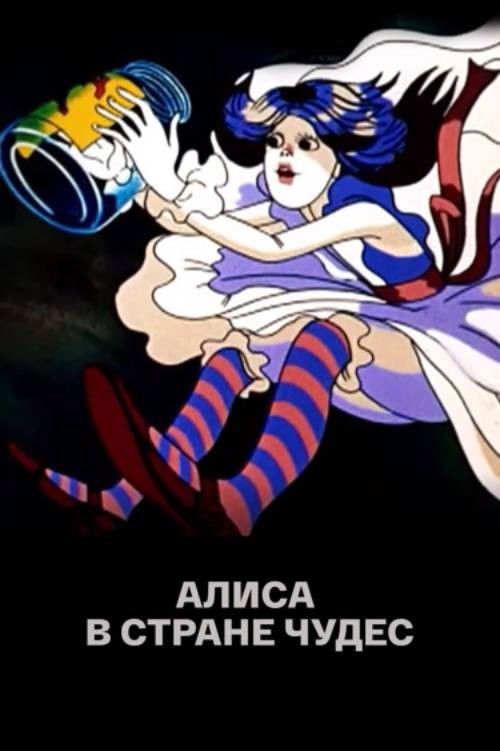
1981
1990
No reviews yet. Be the first to share your thoughts on this movie!
Use the rating form above to leave a star rating and optional review.