
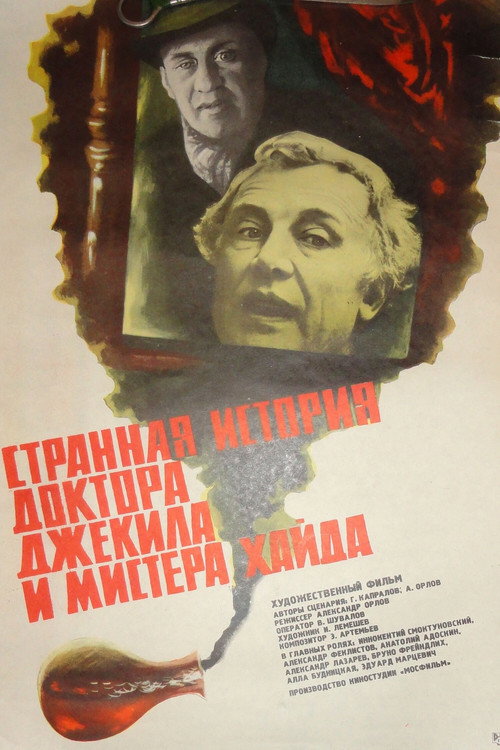
Dr Jekyll and Mr Hyde
1980
No user ratings available yet
Representation score: 4.1 out of 10
Representation Score
Fair
1986
Director
Aleksandr Orlov
Runtime
92 minutes
Average Rating
No ratings yetNew Showbiz Analysis
This Soviet adaptation of Stevenson's classic focuses heavily on metaphysical inquiry and the philosophical deconstruction of the self. It prioritizes the psychological struggle of the individual over modern identity-based storytelling. The film remains deeply rooted in the era's cinematic traditions and the source material's Eurocentric origins. This results in a lack of visible racial or LGBTQ+ diversity. While it lacks characters who reflect more than one aspect of diversity, the film provides a unique cultural perspective by examining morality through a Soviet lens rather than a Western capitalist one.
Category Breakdown
The film does not include explicit LGBTQ+ characters or stories that challenge traditional heterosexual relationships. It follows the psychological themes from the original source material.
The story centers around the masculine archetype of a troubled scientist. It focuses on Dr. Jekyll's internal struggle rather than challenging traditional gender roles.
The production reflects a homogeneous demographic typical of its Eurocentric origins. There is no indication of casting actors of different racial backgrounds or having a non-white majority cast.
As a Soviet production, the film explores systemic morality and the conflict between the collective and the individual. It offers a philosophical approach to understanding evil beyond Western frameworks.
The story examines psychological fragmentation and mental instability. However, Jekyll's condition is portrayed as a supernatural phenomenon rather than a lived experience of disability.
Present on Screen
Limited or Absent
Official Synopsis
Dr. Jekyll has made a sensational discovery: he has managed to separate good from evil in himself. This discovery he must keep secret, because the bearer of evil, Mr. Hyde, has become uncontrollable.
1980
1920
1986
1960
1973

1931
1913
1941
No reviews yet. Be the first to share your thoughts on this movie!
Use the rating form above to leave a star rating and optional review.