
The Door into Summer
2021
No user ratings available yet
Representation score: 3.5 out of 10
Representation Score
Fair
2006
Director
Tetsuo Shinohara
Runtime
121 minutes
Average Rating
No ratings yetNew Showbiz Analysis
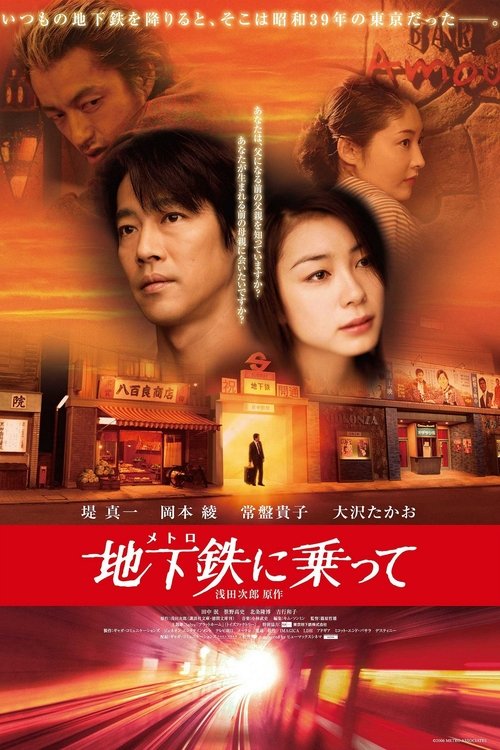
Riding the Metro emphasizes thematic depth and the exploration of fragmented identities within an impersonal system. It avoids overt identity politics, focusing instead on the transient nature of individuals within urban settings. While the film provides a sophisticated critique of modern societal organization, it does not significantly represent diverse ethnic groups or include explicit LGBTQ+ narratives. This results in a localized, culturally specific perspective.
Category Breakdown
The film does not explicitly address LGBTQ+ issues or include queer-coded characters. Instead, it focuses on themes of intimacy and loneliness without critiquing straight-centered relationships.
Women are shown navigating urban solitude, while men deal with social conformity. Both genders face shared vulnerability and alienation in the city setting.
The film features a predominantly Japanese cast set in early 2000s Tokyo. It does not include diverse ethnic perspectives or representations from other cultural backgrounds.
The film critiques the emotional emptiness and hyper-capitalist structures of modern Japanese life. It uses the subway as a symbol of systemic social isolation.
The film explores psychological trauma and metaphorical wounds rather than focusing on specific physical or neurodivergent disabilities as central narrative elements.
Present on Screen
Limited or Absent
Official Synopsis
Shinji (Shinichi Tsutsumi) steps out of a train station to find himself transported back to 1964.
2021
1968

2001

2023

2021

2018

1997

2007
No reviews yet. Be the first to share your thoughts on this movie!
Use the rating form above to leave a star rating and optional review.