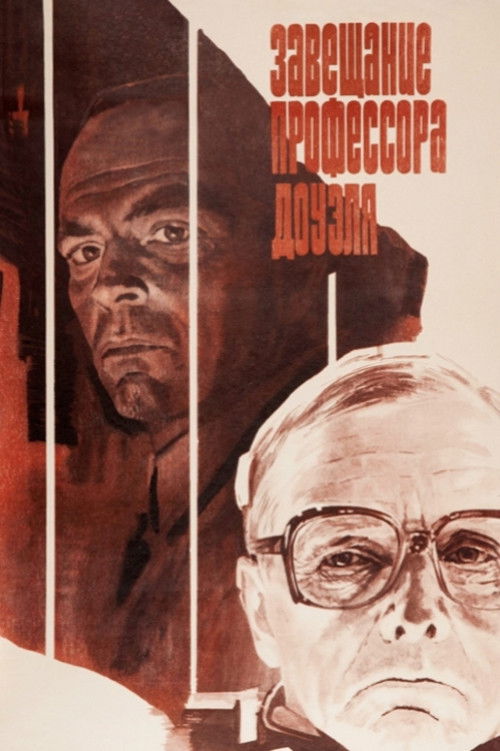
The Testament of Professor Dowell
1984
No user ratings available yet
Representation score: 3.0 out of 10
Representation Score
Fair
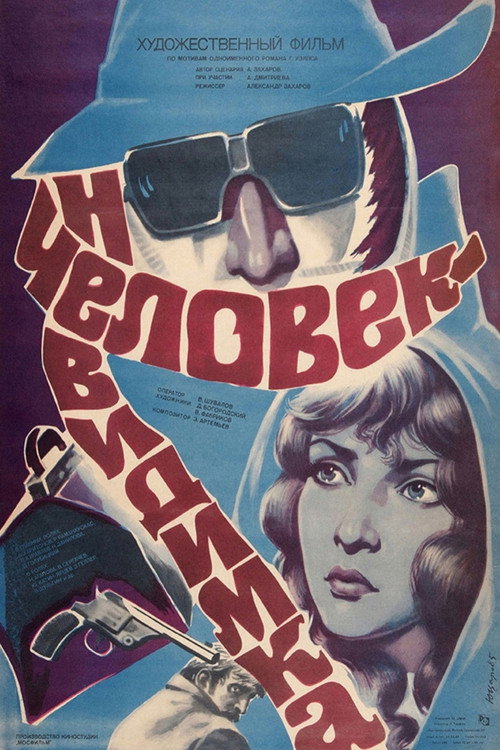
1985
Director
Aleksandr Zakharov
Runtime
89 minutes
Average Rating
No ratings yetNew Showbiz Analysis
Aleksandr Zakharov's adaptation is a period drama centered on the psychological descent of its male protagonist. The film adheres to traditional dramatic structures, focusing on the isolation of a scientist rather than diverse perspectives. While it lacks progressive representation regarding gender, race, or sexuality, it provides a systemic critique of individual wealth and resource scarcity. The protagonist's struggles highlight the collective impact of economic deprivation, offering a unique perspective on human struggle through a communal lens. However, the film relies heavily on established clichés from the H.G. Wells source material, limiting opportunities for multi-layered or nuanced character development.
Category Breakdown
The film does not include any characters with non-binary or LGBTQ+ identities, nor does it depict any same-sex relationships. The story focuses solely on the main character's personal journey, without addressing any queer themes.
The story revolves around a male protagonist dealing with a mental crisis. Women play supporting roles that do not challenge traditional gender roles or show significant influence.
Set in a stylized 19th-century European setting, the cast is predominantly white. The production does not intentionally highlight diverse backgrounds or cultures.
The film subtly critiques individual wealth through the protagonist's economic struggles. It emphasizes the collective impact of resource scarcity, reflecting a more communal viewpoint.
Invisibility is used as a physical disability, serving mainly as a plot device to create chaos. The film does not delve into the lived experiences of those with disabilities.
Present on Screen
Limited or Absent
Official Synopsis
Based upon the famous novel by H.G.Wells. A poor scientist named Griffin discovers a way to make things invisible. Since he has no money to continue his research, he decides to perform his only experiment on himself. After becoming invisible, Griffin has a lot of trouble trying to conceal this from other people.
1984
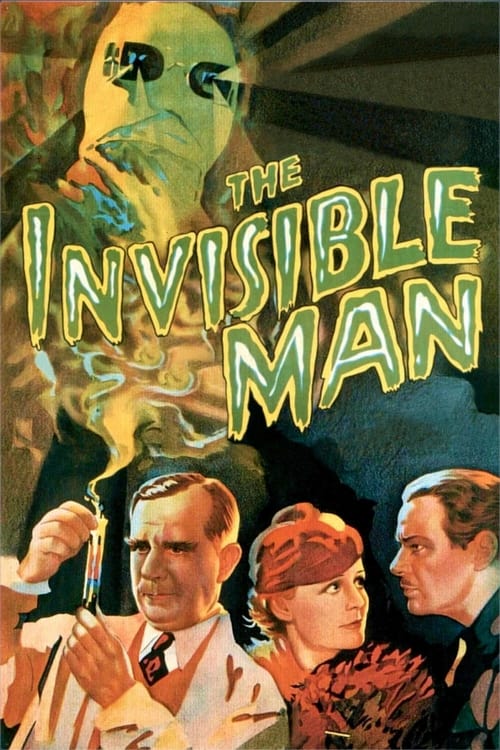
1933
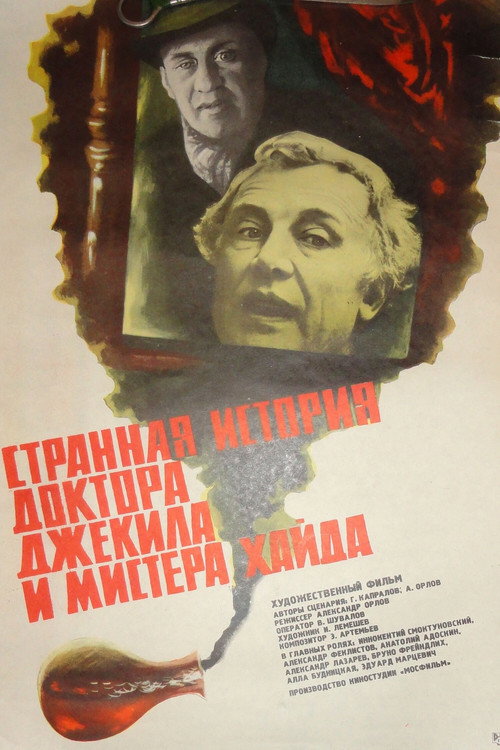
1986
1966

2017
1940

1971
1920
No reviews yet. Be the first to share your thoughts on this movie!
Use the rating form above to leave a star rating and optional review.