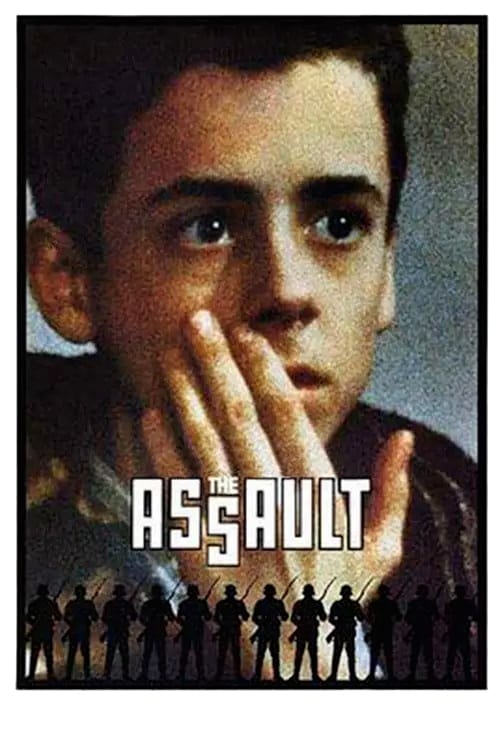
The Assault
1986
No user ratings available yet
Representation score: 3.9 out of 10
Representation Score
Good
1984
Director
Dragan Kresoja
Runtime
87 minutes
Average Rating
No ratings yetNew Showbiz Analysis
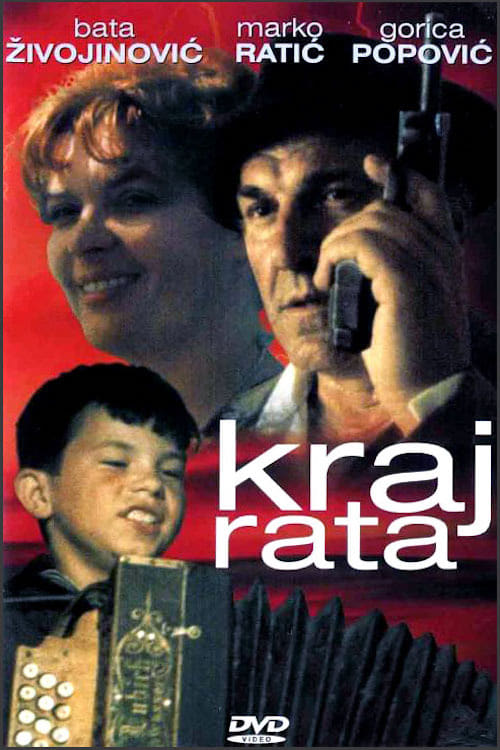
The film 'The End of War' challenges traditional war narratives by focusing on a protagonist whose strength comes from personal trauma and physical impairment. It moves away from the typical 'invincible hero' archetype to explore survival in a more nuanced way. The narrative effectively critiques systemic oppression and the brutality of fascist institutions. It uses the breakdown of the family unit to explore the consequences of state-sanctioned cruelty and the necessity of extrajudicial action. While the film lacks LGBTQ+ representation and focuses heavily on male characters, it excels in portraying disability with ability to act. It provides a meaningful exploration of how political violence disrupts social and familial stability.
Category Breakdown
The film does not include any characters or stories related to LGBTQ+ identities.
The main character is a man and the story revolves around him and his son. However, the narrative is driven by the violence experienced by female family members.
Set in the former Yugoslavia, the film explores the diverse ethnic identities of the region. It uses regional conflicts to highlight its socio-political critique.
The story challenges institutional authority by presenting the mission as a response to militia-led cruelty. It examines how political violence breaks down social institutions.
The protagonist's physical impairment is central to his identity and he is shown as resilient despite his disability. His disability is portrayed as a part of his strength rather than a source of pity.
Present on Screen
Limited or Absent
Official Synopsis
As WW2 comes to an end in the former Yugoslavia, a man without an arm and his young son are on a mission. Their goal is to find and kill five members of the fascist militia who had tortured and killed their wife and mother
1986

1969
1974
1996
1956
1998

2009
1958
No reviews yet. Be the first to share your thoughts on this movie!
Use the rating form above to leave a star rating and optional review.