
Never Alone
2025
No user ratings available yet
Diversity score: 7.7 out of 10
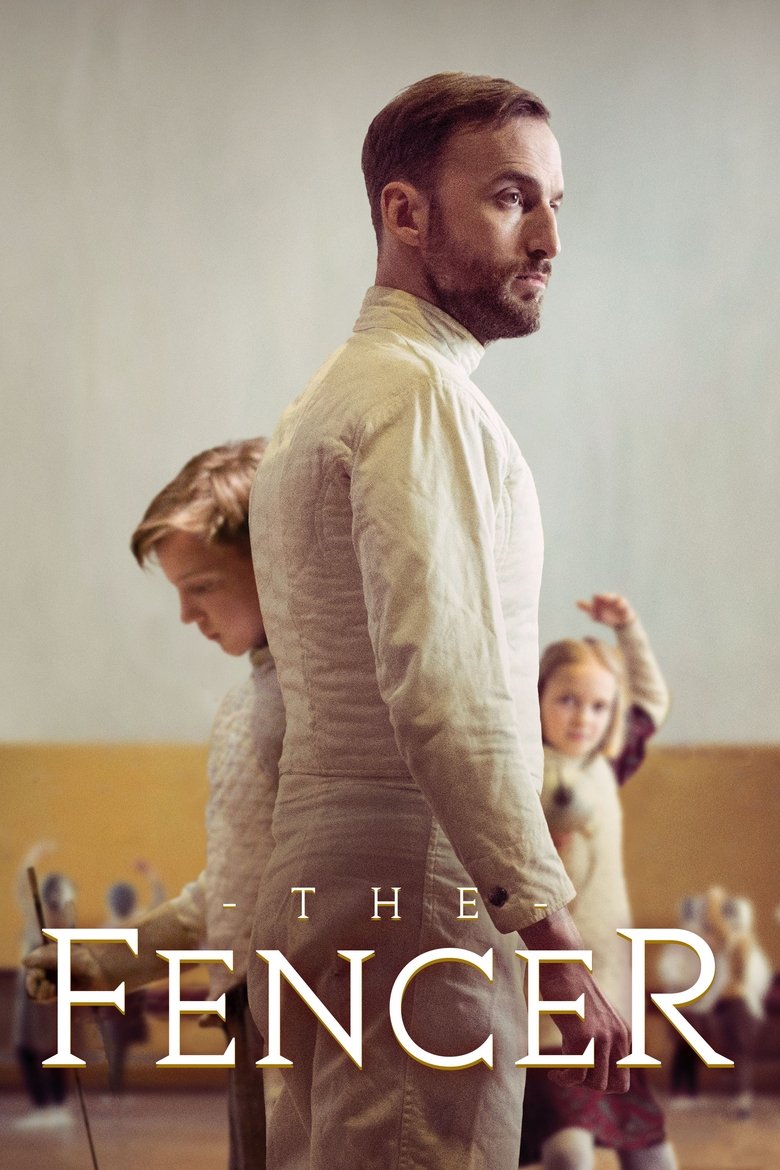
2015
Director
Klaus Härö
Runtime
98 minutes
Average Rating
No ratings yetSynopsis
Fleeing from the Russian secret police, a young Estonian fencer is forced to return to his homeland, where he becomes a physical education teacher at a local school. The past however catches up and puts him in front of a difficult choice.
Overall Score
Limited
Category Breakdown
LGBTQ+ Representation
The film lacks LGBTQ+ characters or narratives. The story focuses exclusively on heteronormative family structures and the protagonist's professional life.
Gender Representation
Set in the 1950s, the film adheres to traditional gender frameworks. It emphasizes masculine archetypes like the provider and protector, particularly through the protagonist's bond with his father.
Racial & Ethnic Diversity
The cast is largely homogeneous, reflecting its localized Finnish setting. While the protagonist's Estonian heritage introduces a sense of displacement, there is no intersectional ethnic blending.
Religious & Cultural Diversity
The film explores mid-century Western life through the lens of economic survival. It depicts the moral compromises required to meet a family's material needs during this era.
Disability Representation
There are no prominent depictions of physical or neurodivergent disabilities within the main narrative arc.
Strengths
Areas for Improvement
AI Analysis
The Fencer is a period drama that prioritizes historical authenticity and individual character study over modern intersectional representation. It functions as a traditionalist piece, focusing on classical themes of duty, honor, and survival. The narrative is built around a culturally homogeneous setting, which limits the scope of racial and ethnic diversity. While the protagonist's status as an Estonian refugee provides a layer of 'otherness,' the film does not expand into broader demographic variety. Gender roles and social structures remain conventional for the 1950s setting. The film explores the emotional vulnerability of masculine archetypes but does not attempt to subvert or deconstruct traditional gender hierarchies.
2025
1952

2014
2015
1992

2019

2017
2017

2001
1997
1976

2016
No reviews yet. Be the first to share your thoughts on this movie!
Use the rating form above to leave a star rating and optional review.