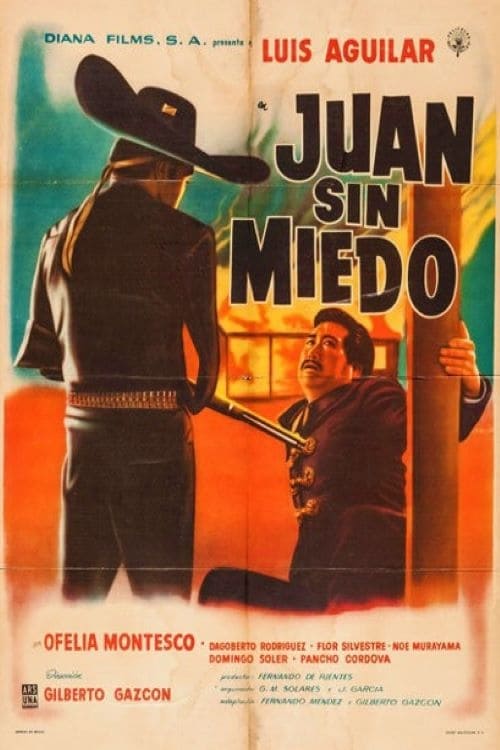
Juan sin miedo
1961
No user ratings available yet
Representation score: 4.1 out of 10

Representation Score
Limited
1949
Director
Chano Urueta
Runtime
98 minutes
Average Rating
No ratings yetNew Showbiz Analysis
Yo maté a Juan Charrasqueado is a significant work of Mexican cinema from the Golden Age. It stands out by focusing on Mexican identity and avoiding the racial biases common in Western films of the era. However, the film adheres closely to the social norms of 1949, relying on patriarchal structures and traditional gender roles. It offers limited space for diverse gender expressions or women's ability to drive the story. Overall, the film preserves the social structures of its time rather than disrupting them.
Category Breakdown
The film emphasizes traditional masculinity and romance, with no representation of LGBTQ+ identities or same-sex relationships.
The movie highlights masculine traits and violent behavior through male characters. Women in the film do not have significant roles in driving the plot.
The film successfully centers Mexican culture and experiences, avoiding the whitewashing typical of many Western films of the time.
The story adheres to traditional values such as destiny and honor, following a conventional moral framework without challenging modern institutions.
There is no indication of characters with physical or cognitive disabilities in the film.
Present on Screen
Limited or Absent
Official Synopsis
Everybody at the ranch adjacent to Juan C.'s has a reason to hate him, because he's a bad bad man.
1961
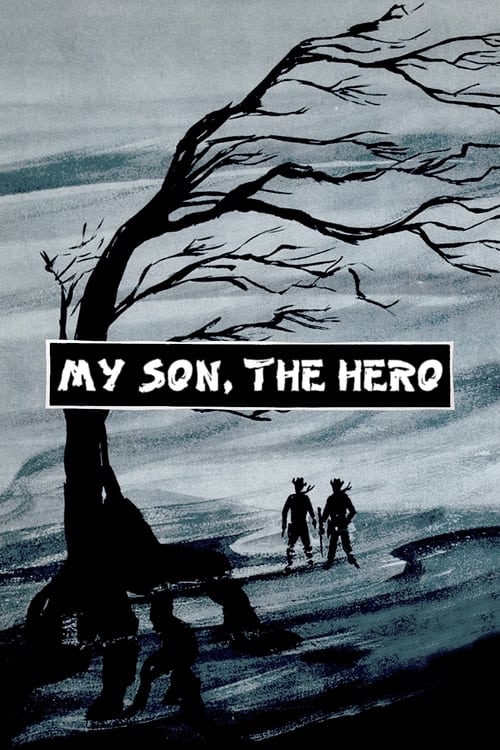
1961

1963
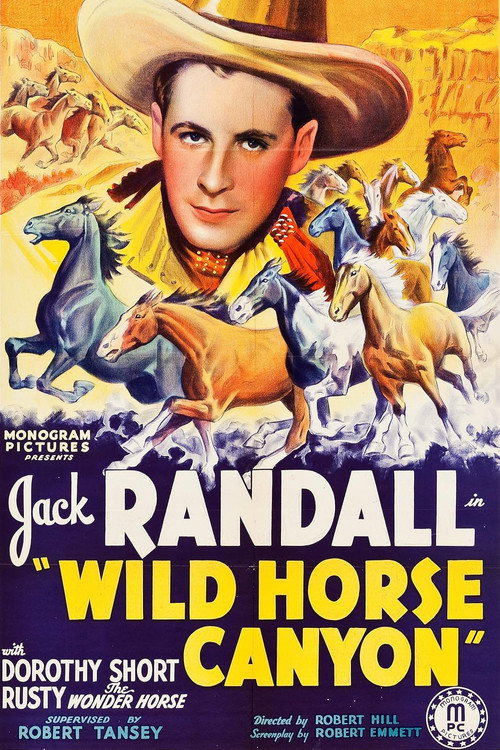
1938
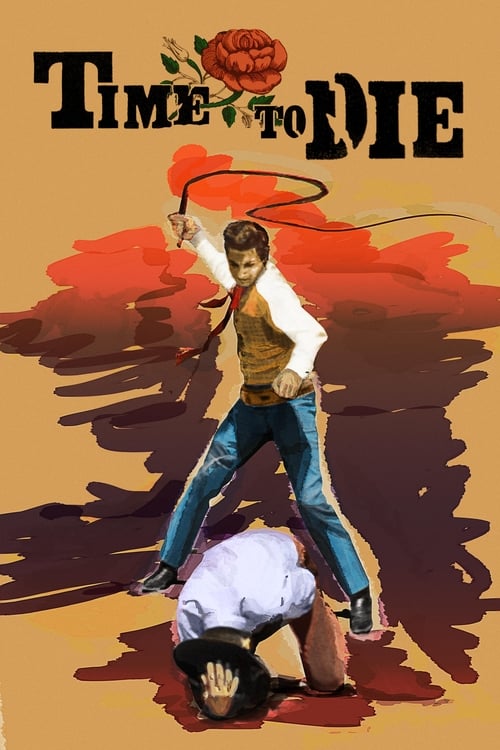
1966
1969
1974
1961
No reviews yet. Be the first to share your thoughts on this movie!
Use the rating form above to leave a star rating and optional review.