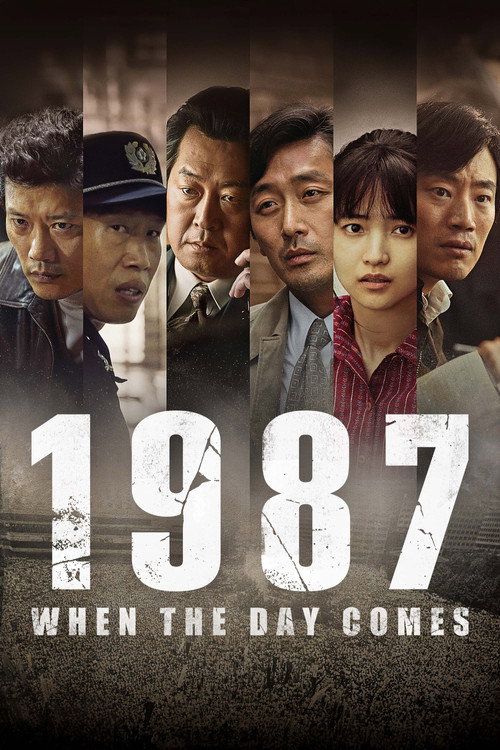
1987: When the Day Comes
2017
No user ratings available yet
Representation score: 6.9 out of 10

Representation Score
Excellent
1996
Director
Jang Sun-woo
Runtime
101 minutes
Average Rating
No ratings yetNew Showbiz Analysis
A Petal is a profound exploration of historical trauma that challenges institutional authority. It succeeds by centering the psychological fragmentation of a young woman against the backdrop of state-sanctioned violence. The film's strength lies in its sophisticated critique of power and its refusal to offer traditional, comforting resolutions. It effectively uses a non-linear structure to deconstruct how political violence fractures individual identity. However, the film lacks representation for LGBTQ+ identities and specific disability experiences. While it addresses psychological trauma, it does not engage with these categories as primary narrative drivers.
Category Breakdown
The film does not include explicit LGBTQ+ characters or narratives. It focuses on the intersection of gender and political victimization rather than non-straight relationships.
Na-young’s struggle challenges traditional gender roles by centering the female experience against a militaristic state. The film critiques the destructive nature of patriarchal state masculinity.
The cast is ethnically uniform, reflecting a specific South Korean context. It provides a vital counter-narrative by reclaiming localized historical trauma against Western-centric perspectives.
The film deconstructs the state and military as corrupt, oppressive entities. It prioritizes the lived experiences of victims over official, state-sanctioned histories.
There are no intentional depictions of physical or neurodivergent disabilities. Psychological trauma is shown as a systemic consequence of violence rather than a focus on disability.
Present on Screen
Limited or Absent
Official Synopsis
The story of a girl who experienced the Gwangju massacre at the age of 15, and its effect on her life in later years.
2017
2001

2012
2014

2009

2002
2017

1995
No reviews yet. Be the first to share your thoughts on this movie!
Use the rating form above to leave a star rating and optional review.