
Saint Judy
2018
No user ratings available yet
Representation score: 4.0 out of 10
Representation Score
Excellent
2018
Director
Min Kyu-dong
Runtime
121 minutes
Average Rating
No ratings yetNew Showbiz Analysis
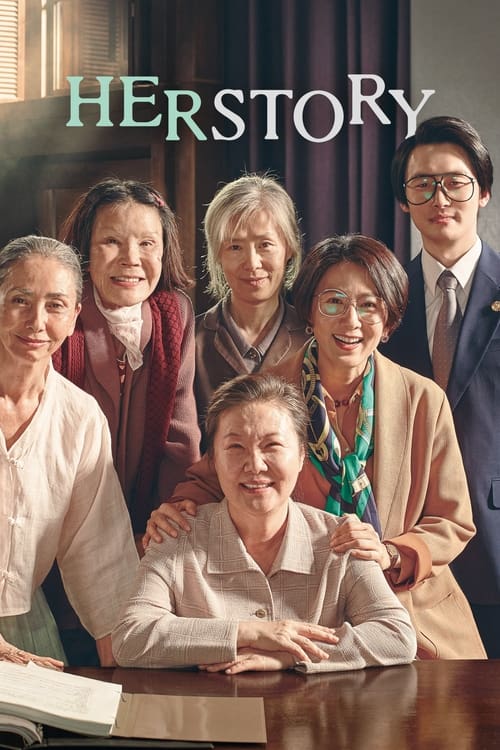
Herstory is a sophisticated critique of systemic injustice that centers the ability to act of underrepresented women. It subverts the typical historical drama by focusing on a long-term legal battle against entrenched political and nationalist institutions. The film successfully shifts the focus from male-dominated legal systems to the intellect and strength of its female protagonists. This approach deconstructs oppressive historical hierarchies and promotes the pursuit of truth over traditionalist versions of history. While the film excels in gender and cultural representation, it remains neutral regarding LGBTQ+ identities. It also approaches disability through the lens of psychological trauma rather than physical or neurodivergent representation.
Category Breakdown
The film focuses on the experiences of comfort women and does not center on LGBTQ+ identities. It maintains a neutral stance without showing explicit evidence of LGBTQ+ characters.
The narrative disrupts traditional hierarchies by portraying women as active protagonists. It emphasizes women's ability to drive the story and collective strength through female-led support networks and legal struggles.
The story explores ethnic resilience through the lens of Korean identity during Japanese occupation. It highlights a underrepresented group fighting for recognition against a dominant nationalist force.
The film prioritizes the subjective truth of underrepresented voices over state-sanctioned history. It challenges nationalist narratives by framing institutional structures as sites of systemic oppression.
While not focusing on physical disabilities, the film addresses profound psychological and somatic trauma. It treats these invisible scars with ability to act, emphasizing resilience over the cliché of brokenness.
Present on Screen
Limited or Absent
Official Synopsis
A true story of a six-year-long legal conflict of 10 comfort women and 13 attorneys against 200 Fukuoka supporters association.
2018

1956

2011

2014
2016

2010

2017

2016
No reviews yet. Be the first to share your thoughts on this movie!
Use the rating form above to leave a star rating and optional review.