
A Noisy Household
1946
No user ratings available yet
Representation score: 3.5 out of 10
Representation Score
Fair
1942
NRDirector
Richard Wallace
Runtime
86 minutes
Average Rating
No ratings yetNew Showbiz Analysis
The film, produced in 1942, offers moderate progress in gender representation while remaining limited by the period's social constraints. Anita Wolverman provides a strong female presence, moving beyond passive roles to engage in active espionage and deception. However, the film relies on dated clichés regarding mental health, using insanity as a mere plot mechanism. The cast lacks racial diversity and there is no representation of LGBTQ+ identities or non-assuming gender matches what was assigned at birth characters. Ultimately, while the film challenges some domestic hierarchies through its female lead, it falls short of providing the multi-layered breadth necessary for a higher diversity score.
Category Breakdown
The film does not include any LGBTQ+ characters or narratives that question the assumption that everyone is straight. The main romantic relationship focuses solely on a heterosexual pairing between Reynolds and Anita.
Anita Wolverman plays a significant role in driving the story, actively participating in espionage and orchestrating deceptions. She navigates male-dominated spaces to assist the protagonist, challenging traditional submissive femininity.
The cast reflects the era's standard of homogeneous Western European representation. Set in Holland with an American lead, there is no evidence of significant racial blending.
The wartime setting critiques the German occupying forces as an antagonistic system. However, the narrative remains rooted in traditional Western wartime values and social norms.
Mental instability is used as a comedic cliché and plot device. The 'insane husband' serves as a catalyst for conflict rather than a nuanced portrayal of neurodivergence.
Present on Screen
Limited or Absent
Official Synopsis
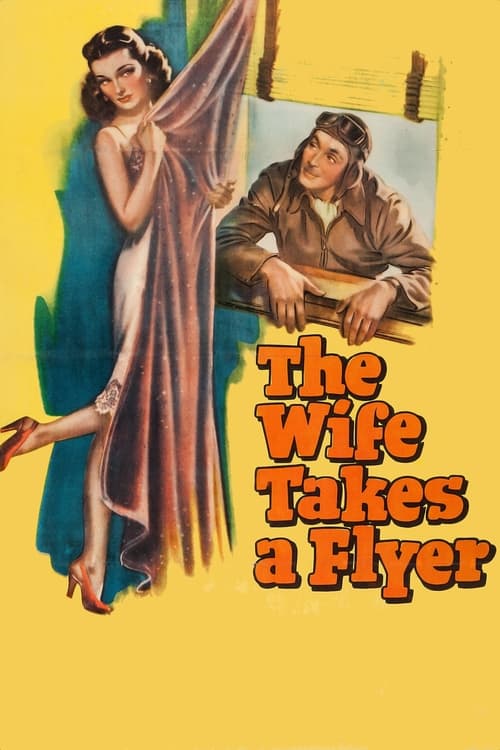
Christopher Reynolds, an American flying with the R.A.F, is shot down over German-occupied Holland and is given shelter by a Dutch family. Posing as the insane husband of the daughter of the house, Anita Wolverman, Reynolds convinces the German officer quartered there, Major Zellfritz, with the necessity for her divorce decree to be granted. After the court-hearing, Anita, goes to manage a home for retired ladies and, persuaded by Reynolds, tries to gain military information from the German Officer. When her former husband escapes from the insane-asylum his exploits are blamed on Reynolds. With the help of the old ladies and Anita, who "remarries" him, Reynolds escapes to England in a stolen German airplane.
1946

1949
1962

1942

1959
1948

1944
1959
No reviews yet. Be the first to share your thoughts on this movie!
Use the rating form above to leave a star rating and optional review.