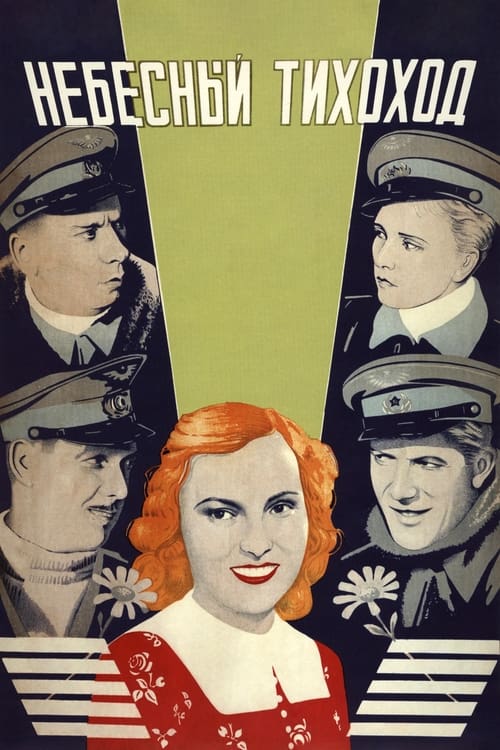
The Sky Slow-Mover
1946
No user ratings available yet
Representation score: 3.1 out of 10

Representation Score
Limited
1946
Director
Mikhail Zharov
Runtime
85 minutes
Average Rating
No ratings yetNew Showbiz Analysis
A Noisy Household serves as a historical artifact showcasing collective resilience during World War II. The narrative focuses on the functional dynamics of a military squad rather than a single heroic figure. While the film captures the cooperative spirit needed during wartime, it is limited by the social structures of 1946. It lacks the multi-layered diversity found in modern cinema, adhering to the cultural norms of its time. The work emphasizes the collective good, providing insight into the socio-political framework of mid-century Soviet filmmaking.
Category Breakdown
The film is set in the strict social structures of the 1946 Soviet Union. There is no indication of non-straight or non-cisgender identities or same-sex relationships in the story.
Gender roles in the film likely shift between women providing emotional support and men holding military leadership positions. Masculine authority remains the main force driving the plot.
The cast likely includes a mix of ethnicities reflecting the diverse population of the USSR. However, the film emphasizes a unified Soviet identity rather than highlighting specific ethnic differences.
The film highlights collective identity over Western individualism. It prioritizes the common good and state survival, emphasizing systemic resilience and duty over individual heroism.
There is no information available regarding the inclusion of characters with physical or neurodivergent disabilities in this work.
Present on Screen
Limited or Absent
Official Synopsis
A comedy about an army squad guarding the fake airport during WWII.
1946

1974
1942
1968

2022
1943
1967
1943
No reviews yet. Be the first to share your thoughts on this movie!
Use the rating form above to leave a star rating and optional review.