
The Gentle Sex
1943
No user ratings available yet
Representation score: 1.1 out of 10
Representation Score
Limited
1944
Not RatedDirector
Frank Launder
Runtime
97 minutes
Average Rating
No ratings yetNew Showbiz Analysis
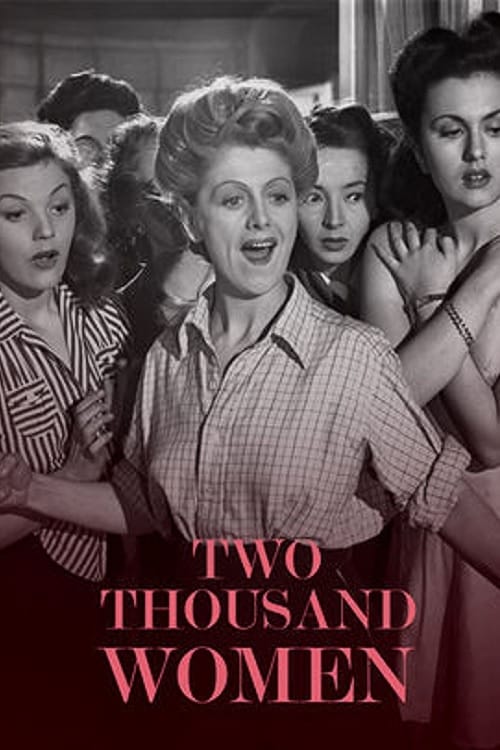
Two Thousand Women offers a unique wartime perspective by shifting the focus from traditional masculine combat to female-led resistance. By centering the narrative on an internment camp, the film highlights female competence and tactical ingenuity over standard military archetypes. However, the film is heavily constrained by the social and demographic realities of 1944. The lack of racial and ethnic diversity, as well as LGBTQ+ representation, reflects the era's limitations, keeping the overall score modest despite the progressive gender dynamics.
Category Breakdown
The film focuses on heterosexual and cisgender wartime dynamics. There is no evidence of non-binary gender identities or same-sex romantic relationships.
The plot centers on a female-dominated internment camp. Women play a significant role in protecting downed airmen by demonstrating strategic leadership and ability to act.
The cast is predominantly white and Anglo-European. The narrative lacks significant racial blending or non-white characters.
The story frames resistance against the Nazi regime. It emphasizes human connection and subverting oppressive institutional power.
There are no prominent depictions of visible or invisible disabilities used as central character drivers.
Present on Screen
Limited or Absent
Official Synopsis
During the Second World War, three downed English airmen hide out with women's internment camp in France.
1943

1942
1960

1959

1989

1966

1942
1956
No reviews yet. Be the first to share your thoughts on this movie!
Use the rating form above to leave a star rating and optional review.