Daughter from Danang
2002
No user ratings available yet
Representation score: 4.7 out of 10
Representation Score
Fair
1999
Director
Barbara Sonneborn
Runtime
72 minutes
Average Rating
No ratings yetNew Showbiz Analysis
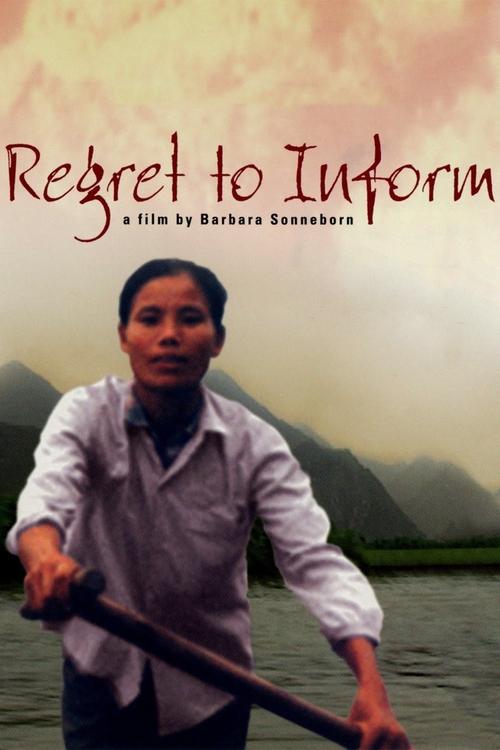
Regret to Inform is a sophisticated documentary that shifts away from nationalist rhetoric to explore the broader impacts of war. By focusing on women from both sides of a conflict, it offers a nuanced look at shared vulnerability. The film excels in fostering cross-cultural understanding through direct conversations between Americans and Vietnamese individuals. This approach challenges the traditional Western viewpoint of the Vietnam War. While the film provides deep insights into the lives of war widows, it does not explicitly address LGBTQ+ identities or physical disabilities.
Category Breakdown
The film does not include any LGBTQ+ characters or narratives addressing non-straight relationships.
The movie centers on the experiences of women who have lost husbands due to war. It challenges traditional war stories by focusing on the emotional and social impact on women rather than the actions of soldiers.
The film breaks down the 'us versus them' mentality by allowing American and Vietnamese voices to engage in dialogue. This creates a shared space where grief is acknowledged across ethnic lines, challenging the Western perspective on the Vietnam War.
The documentary emphasizes human connections over national pride. It looks at geopolitical conflicts through a post-colonial lens, seeing them as sources of personal instability rather than heroic events.
The film examines the hidden wounds of grief and mental trauma. However, it does not specifically depict physical disabilities or neurodivergence.
Present on Screen
Limited or Absent
Official Synopsis
In this film made over ten years, filmmaker Barbara Sonneborn goes on a pilgrimage to the Vietnamese countryside where her husband was killed. She and translator (and fellow war widow) Xuan Ngoc Nguyen explore the meaning of war and loss on a human level. The film weaves interviews with Vietnamese and American widows into a vivid testament to the legacy of war.
2002
1978
1994
2011
2019

2008
1985
2019
No reviews yet. Be the first to share your thoughts on this movie!
Use the rating form above to leave a star rating and optional review.