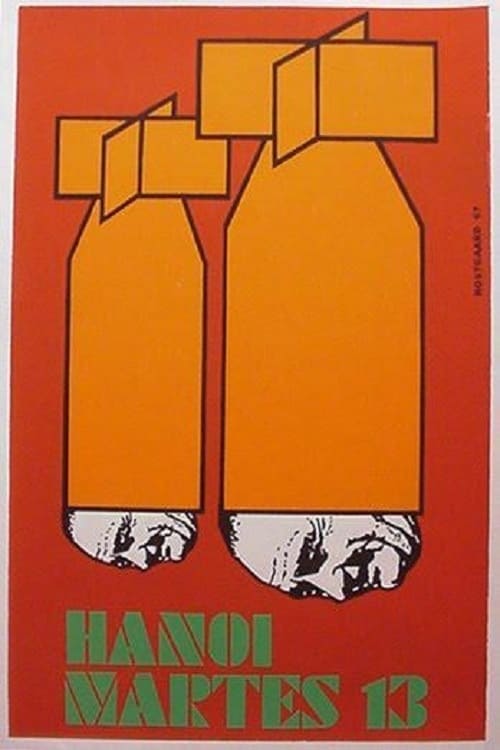
Hanoi, Tuesday 13th
1969
No user ratings available yet
Representation score: 4.5 out of 10
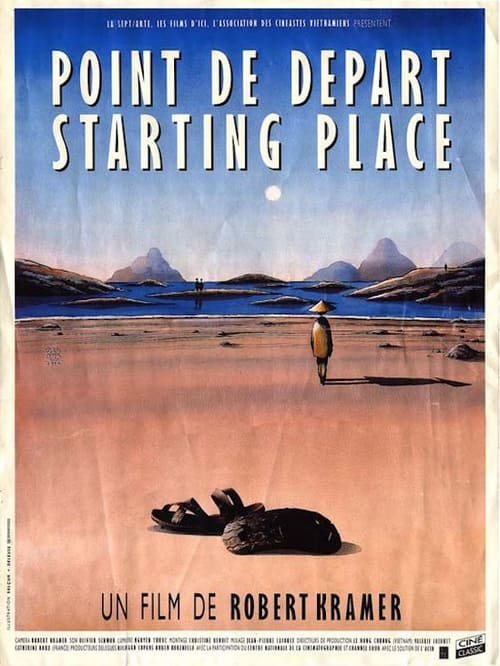
Representation Score
Excellent
1994
Director
Robert Kramer
Runtime
80 minutes
Average Rating
No ratings yetNew Showbiz Analysis
Robert Kramer’s documentary shifts the focus from an external observer to the local Vietnamese population, disrupting traditional Western historical narratives. By centering the experiences of citizens—from tightrope walkers to war veterans—the film moves away from monolithic geopolitical storytelling. The work excels in its racial and cultural depth, offering a nuanced look at survival and identity in Hanoi. It avoids the pitfalls of a purely Western-centric war story by prioritizing the subjective experiences of those who lived through the conflict. However, the film is less clear regarding specific gendered power dynamics or LGBTQ+ identities. While the narrative structure suggests a move away from rigid social structures, these specific areas lack explicit representation.
Category Breakdown
The film does not explicitly show LGBTQ+ identities or non-straight relationships. It explores uncertainty but does not clearly represent LGBTQ+ characters.
Clothilde Piven holds a top-billed role, and the film avoids traditional patriarchal hierarchies. It focuses on individual human experiences rather than a 'great man' theory of history.
The documentary highlights Vietnamese perspectives, featuring circus performers and war veterans. It provides a localized study of identity through the lives of its subjects.
The film challenges Western-centric timelines by focusing on Hanoi's post-colonial existence. It emphasizes the complexities of historical trauma and recovery from a subjective viewpoint.
A character who lost his fingers due to combat introduces themes of physical disability, highlighting the long-lasting impact of systemic violence.
Present on Screen
Limited or Absent
Official Synopsis
In this film from late in his career, Kramer returns to Hanoi after nearly 25 years to re-envision the city’s struggle through an uncertain and daunting past, present, and future. The Vietnamese characters in the film are diverse: Kramer’s former guide from an earlier visit in 1969; a tight-rope walker in the national circus; a man who took photos of B-52s and another who lost his fingers shooting them down.
1969
2017
1975

1983

2019

2008

1999
1983
No reviews yet. Be the first to share your thoughts on this movie!
Use the rating form above to leave a star rating and optional review.