Children of Shatila
1998
No user ratings available yet
Representation score: 7.0 out of 10
Representation Score
Fair
2002
PGDirector
Gail Dolgin, Vicente Franco
Runtime
83 minutes
Average Rating
No ratings yetNew Showbiz Analysis
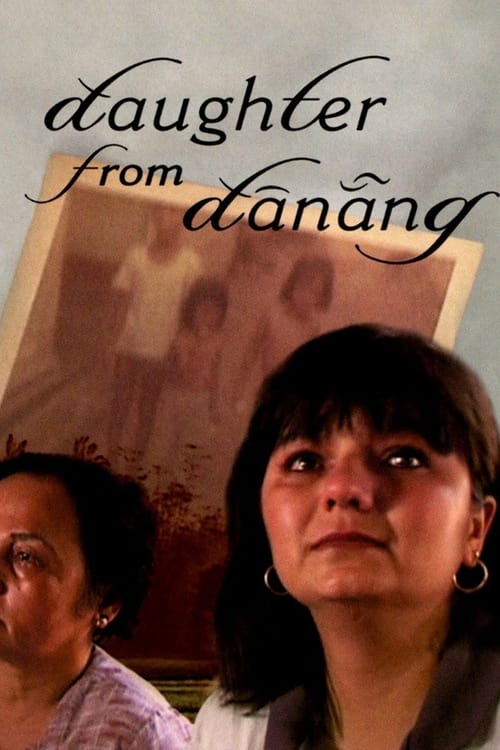
Daughter from Danang is a powerful exploration of the human impact of war, shifting focus from geopolitical strategy to personal legacy. It successfully delves into the multi-layered identities of Amerasians and the resilience of Vietnamese women. The film challenges Western-centric historical narratives by focusing on the emotional labor of mothers and daughters. While it lacks representation for LGBTQ+ and disability themes, its deep dive into racial and cultural complexities makes it a vital piece of documentary realism.
Category Breakdown
The documentary focuses on traditional family structures and does not include any LGBTQ+ identities or non-cisgender narratives.
The narrative centers around the mother and daughter, highlighting their roles and emphasizing female-driven ability to act. It challenges the typical war narrative by prioritizing emotional intelligence and domestic resilience.
The film excels in exploring the experiences of Amerasians and mixed-race individuals. It avoids the 'white savior' cliché and instead emphasizes the ability to act of the Vietnamese mother.
The film serves as a critique of Western intervention in Southeast Asia. It highlights the tension between Western institutions and the realities of Southeast Asian families.
There are no specific depictions of visible or invisible disabilities that serve as central narrative drivers.
Present on Screen
Limited or Absent
Official Synopsis
In 1975, as the Vietnam War was ending, thousands of orphans and Amerasian children were brought to the United States as part of "Operation Babylift." Daughter from Danang tells the dramatic story of one of these children, Heidi Bub (a.k.a. Mai Thi Hiep), and her Vietnamese mother, Mai Thi Kim, separated at the war's end and reunited 22 years later. Heidi, now living in Tennessee - a married woman with kids - had always dreamt of a joyful reunion. When she ventures to Vietnam to meet her mother, she unknowingly embarks on an emotional pilgrimage that spans decades and distance. Unlike most reunion stories that climax with a cliché happy ending, Daughter from Danang is a real-life drama. Journeying from the Vietnam War to Pulaski, Tennessee and back to Vietnam, Daughter from Danang tensely unfolds as cultural differences and the years of separation take their toll in a riveting film about longing and the personal legacy of war.
1998
1998
1999
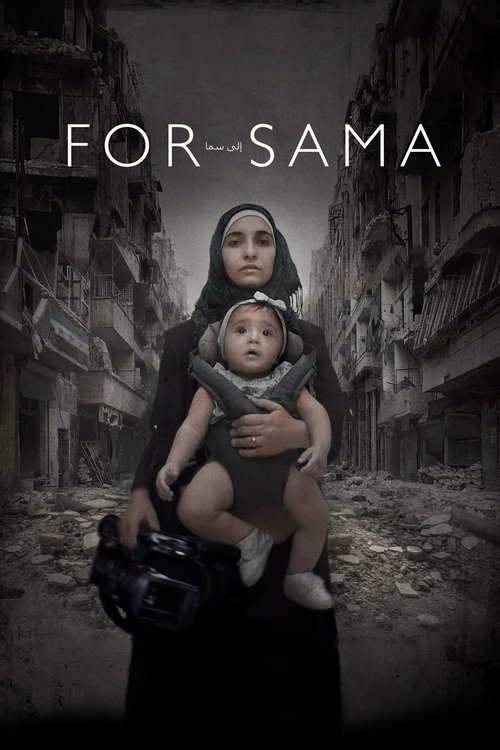
2019

2004

2008
1991
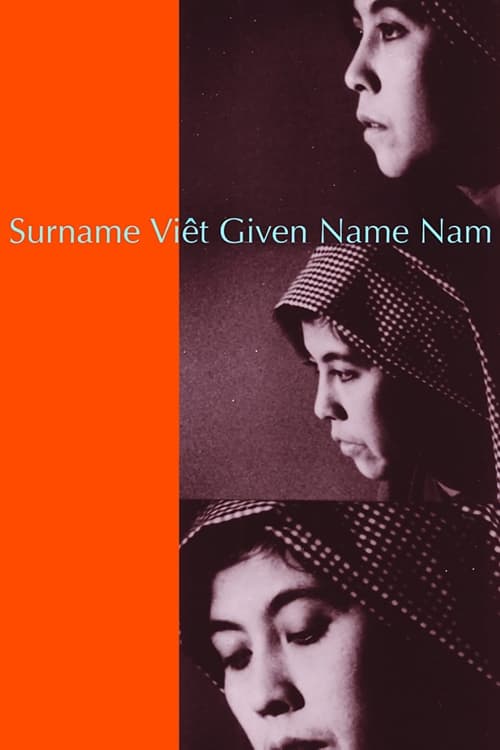
1989
No reviews yet. Be the first to share your thoughts on this movie!
Use the rating form above to leave a star rating and optional review.