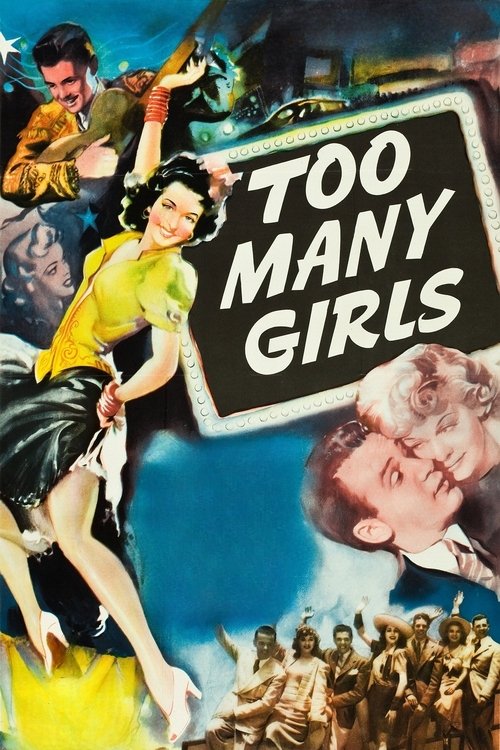
Too Many Girls
1940
No user ratings available yet
Representation score: 0.4 out of 10
Representation Score
Minimal
1949
ApprovedDirector
George Sherman
Runtime
82 minutes
Average Rating
No ratings yetNew Showbiz Analysis
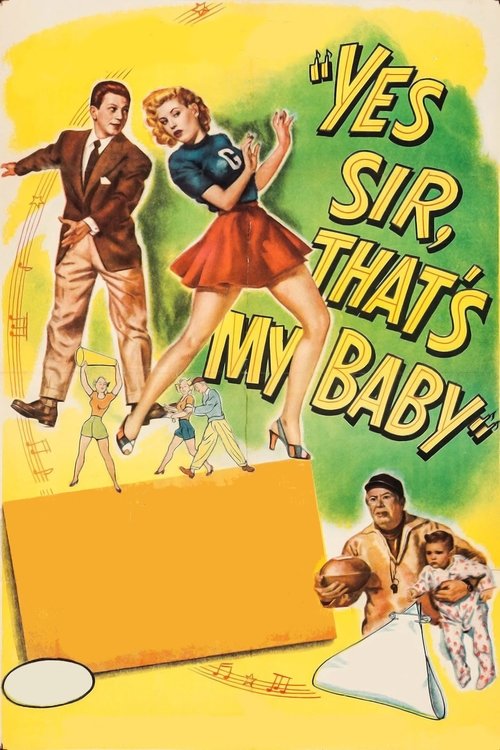
This musical comedy is a typical product of its time, reinforcing rather than challenging the social hierarchies of the late 1940s. The plot revolves around domestic conflicts between returning soldiers and their wives, emphasizing traditional marital roles. While the film allows women to challenge male-dominated collegiate athletics, it remains confined by period clichés. The absence of complex, multi-layered representation keeps the narrative within a narrow social context. Ultimately, the film exemplifies mid-century studio filmmaking, prioritizing situational domestic comedy over diverse or inclusive storytelling.
Category Breakdown
The film adheres closely to the assumption that everyone is straight or cisgender. There is no indication of queer subtext or characters with diverse gender identities.
Female characters such as Sarah Jane Winfield play a significant role by challenging traditional gender roles. However, the film often uses comedic clichés to depict female assertiveness.
The setting mirrors the homogeneous society of 1949, featuring a predominantly white, middle-class college environment.
The story upholds traditional Western institutions, particularly the nuclear family and collegiate sports. It celebrates mid-century social norms.
There are no characters with visible or invisible disabilities. Disability is not used as a narrative device or plot point.
Present on Screen
Limited or Absent
Official Synopsis
At a college, a group of ex-GIs clash with their wives about over playing football.
1940
1941

1945

1933

1944
1954
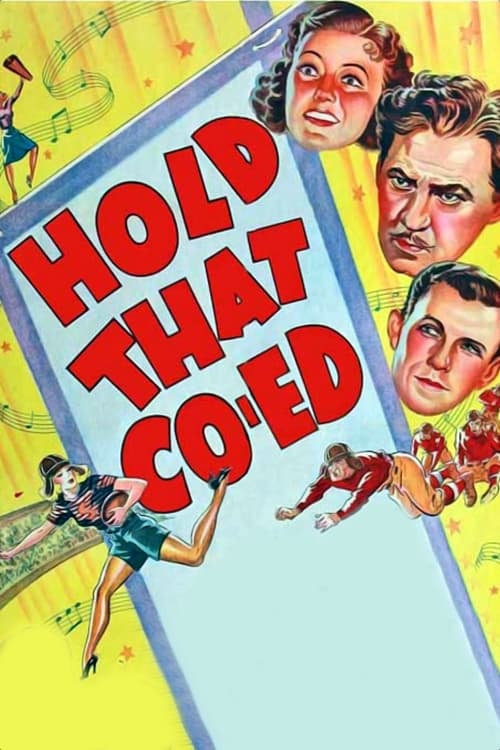
1938
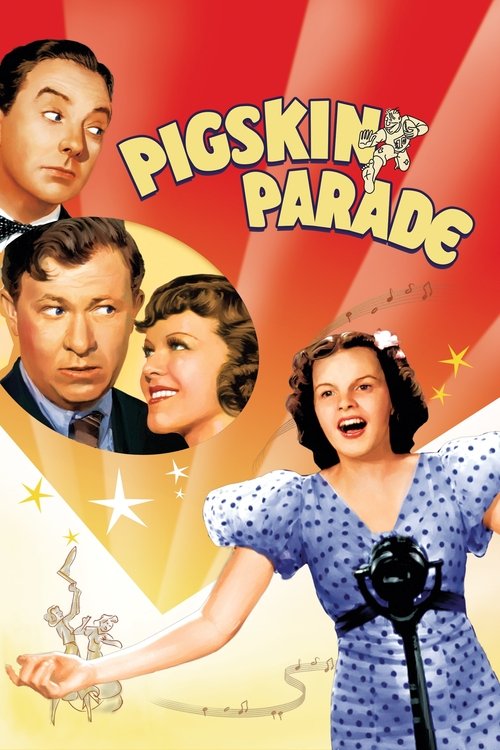
1936
No reviews yet. Be the first to share your thoughts on this movie!
Use the rating form above to leave a star rating and optional review.