
Northmen: A Viking Saga
2014
No user ratings available yet
Representation score: 1.6 out of 10
Representation Score
Fair
1985
RDirector
Paul Verhoeven
Runtime
126 minutes
Average Rating
No ratings yetNew Showbiz Analysis
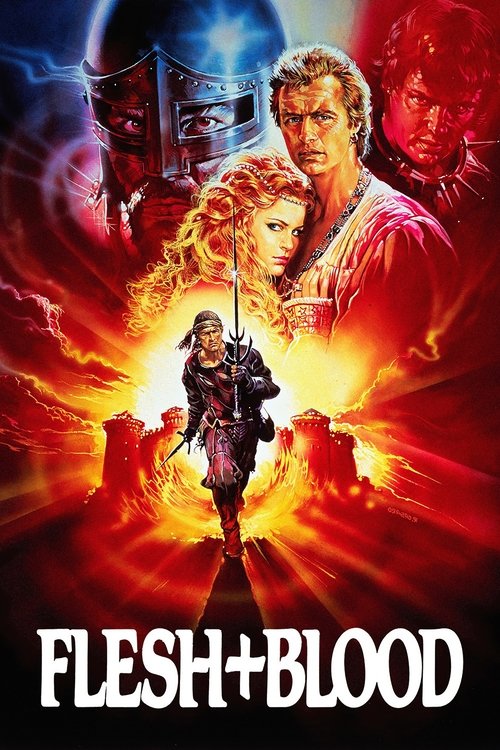
Paul Verhoeven’s work challenges the heroic myths of the medieval adventure genre. By depicting traditional authority as corrupt and empowering a female lead through intellectual prowess, the film questions standard genre expectations. The narrative’s strength lies in its deconstruction of power dynamics and its embrace of moral relativism. It replaces idealized chivalry with a gritty exploration of survival and systemic failure. While the film excels in cultural critique and gender subversion, it lacks representation of LGBTQ+ identities and characters with disabilities. The focus remains on conflicts centered around heterosexual power struggles and physical trauma.
Category Breakdown
The film focuses solely on straight relationships and does not depict any non-cisgender identities or same-sex intimacy.
Agnès challenges traditional gender roles by being a key driver of the plot. She uses her intelligence and practical skills actively, rather than being a passive victim.
The cast includes characters from various socioeconomic backgrounds typical of 16th-century mercenaries. However, race is not a central theme in the story.
The film criticizes Western feudal structures by portraying nobility as corrupt and out of touch. It celebrates rebellion and situational ethics over traditional religious morality.
The film does not include meaningful representations of characters with disabilities. Physical injuries are used mainly as plot devices to emphasize grit and realism.
Present on Screen
Limited or Absent
Official Synopsis
A band of medieval mercenaries take revenge on a noble Lord who cheated them by kidnapping his son's fiancée. As the plague and warfare cut a swathe of destruction throughout the land, the mercenaries hole up in a castle and await their fate.
2014

1958
1991

1967
2010
1975

2011
1997
No reviews yet. Be the first to share your thoughts on this movie!
Use the rating form above to leave a star rating and optional review.