The Devil's Doorway
2018
No user ratings available yet
Representation score: 4.9 out of 10
Representation Score
Good
2021
Not RatedDirector
Neil Marshall
Runtime
111 minutes
Average Rating
No ratings yetNew Showbiz Analysis
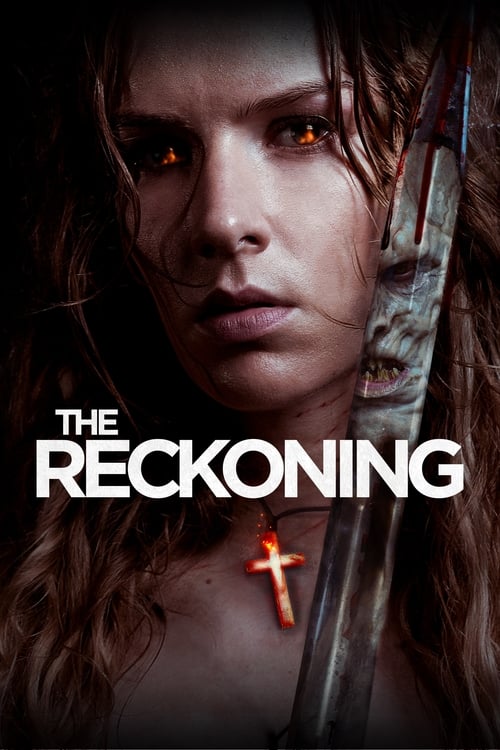
The Reckoning succeeds as a historical horror by centering a resilient female protagonist against a backdrop of systemic patriarchal and religious oppression. It effectively deconstructs the idea of the 'stable male leader' by presenting the Inquisition as a source of irrational cruelty. While the film excels in critiquing gender and cultural norms, it remains limited in its representation of LGBTQ+ identities and disability. Its medieval setting is used to challenge historical Western hegemony, making it a progressive entry in the genre despite its narrow focus on specific identity categories.
Category Breakdown
The film does not explicitly depict non-straight identities or same-sex relationships. Instead, it focuses on the protagonist's struggle against a religious system that enforces heteronormativity.
The film challenges traditional gender roles by centering a woman as a strong agent against patriarchal control. It portrays masculine authority as a source of systemic terror rather than stability.
The ensemble cast includes a range of ethnicities that break the expectation of a purely homogeneous medieval setting. However, the film does not specifically explore the intersection of race and other identities.
The story critiques Western religious institutions, portraying the Inquisition as a corrupt and oppressive force. It contrasts state-mandated truth against the lived reality of those persecuted.
The film does not prominently feature characters with disabilities driving their actions. It focuses on general trauma rather than meaningful representation of specific disabilities.
Present on Screen
Limited or Absent
Official Synopsis
In the aftermath of the Great Plague and amidst the subsequent witch-hunts against women, a young widow grapples with the tragic death of her husband in a society completely consumed by fear and death. Because she rejects the advances of her landlord, she is falsely accused of being a witch and thrown in jail for a crime she didn’t commit. She must endure physical persecution at the hands of England’s most ruthless witch-hunter and face her own inner demons as the devil himself starts to work his way into her mind.
2018
1943
2022
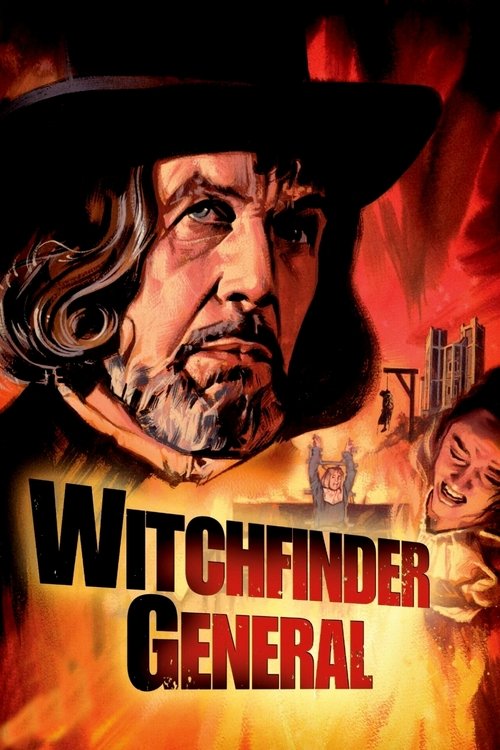
1968
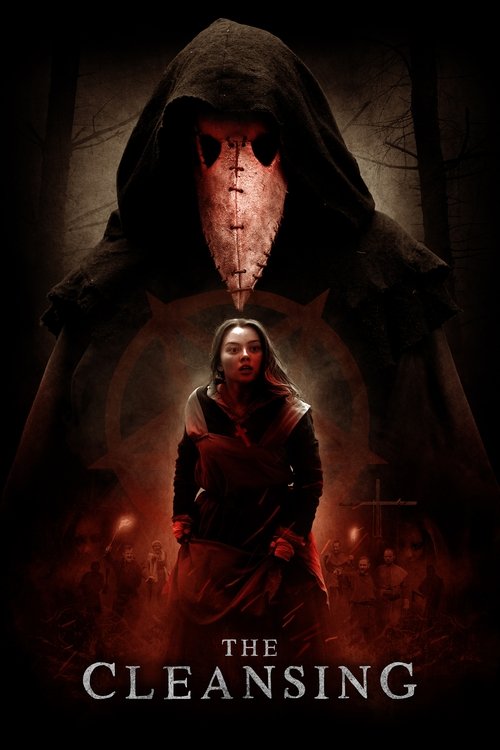
2019
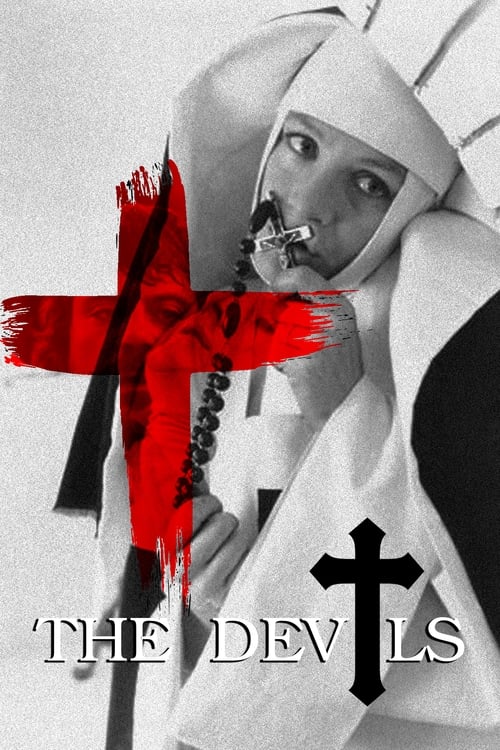
1971
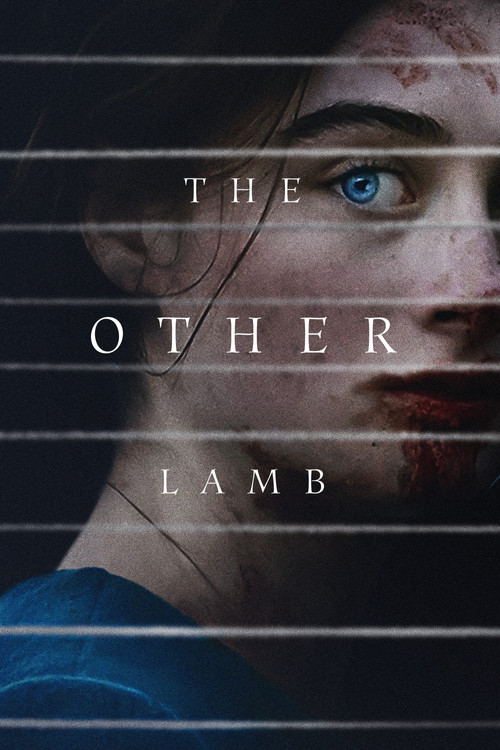
2020
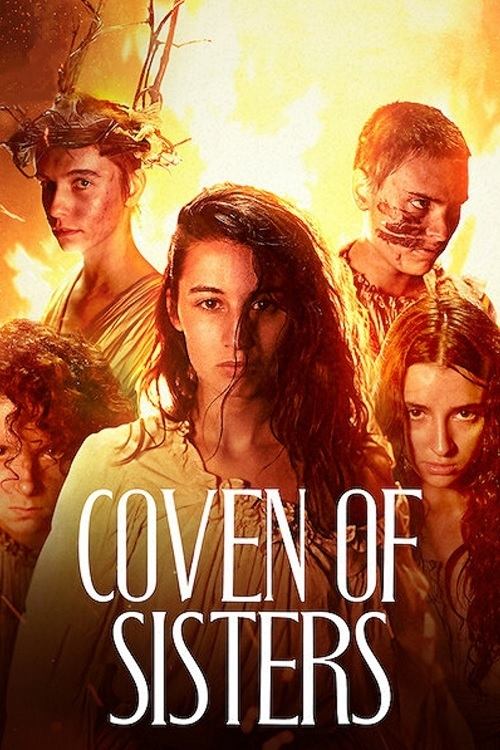
2020
No reviews yet. Be the first to share your thoughts on this movie!
Use the rating form above to leave a star rating and optional review.