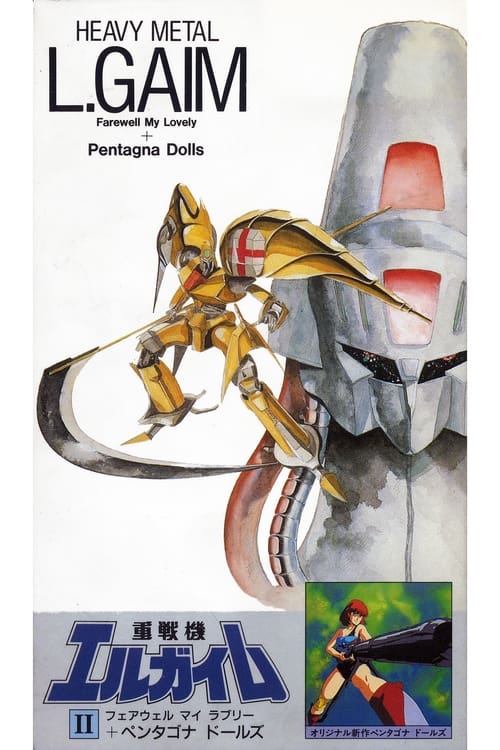
Heavy Metal L-Gaim II: Farewell My Lovely + Pentagona Dolls
1987
No user ratings available yet
Representation score: 6.5 out of 10
Representation Score
Good
1987
TV-MADirector
Osamu Sekita, Yoshiyuki Tomino
Runtime
57 minutes
Average Rating
No ratings yetNew Showbiz Analysis
Heavy Metal L-Gaim III is a sophisticated science fiction work that prioritizes systemic critique over traditional heroics. It excels at deconstructing institutional authority and presenting a morally ambiguous world where conflict arises from competing interests rather than simple morality. However, the film lacks explicit representation in key areas. There are no overt depictions of LGBTQ+ identities or characters with disabilities, with the latter often serving merely as plot devices for motivation. Ultimately, the film offers a progressive narrative structure through its diverse, non-Earth-centric cast and its rejection of standard hero archetypes, even if specific demographic markers are not the primary focus.
Category Breakdown
The film does not explicitly depict same-sex relationships or non-binary gender identities. However, interpersonal connections might exist through subtle hints, while the main focus remains on mechanical warfare and factional conflicts.
Female characters play roles defined by technical expertise and tactical leadership, moving away from traditional domestic roles. Though the subversion of gendered archetypes is present, it is not fully challenged.
Race is abstracted through diverse character designs and various planetary factions in a cosmic setting. This heterogeneous cast symbolizes ethnic and cultural diversity through non-standardized aesthetics.
The story avoids a clear-cut good versus evil dichotomy, focusing instead on moral relativism and competing systemic interests. It critiques centralized authority and highlights the instability of established political institutions.
There is no evidence of characters with disabilities portrayed with significant influence. Physical trauma appears primarily as a plot device for motivation rather than a nuanced exploration of disability.
Present on Screen
Limited or Absent
Official Synopsis
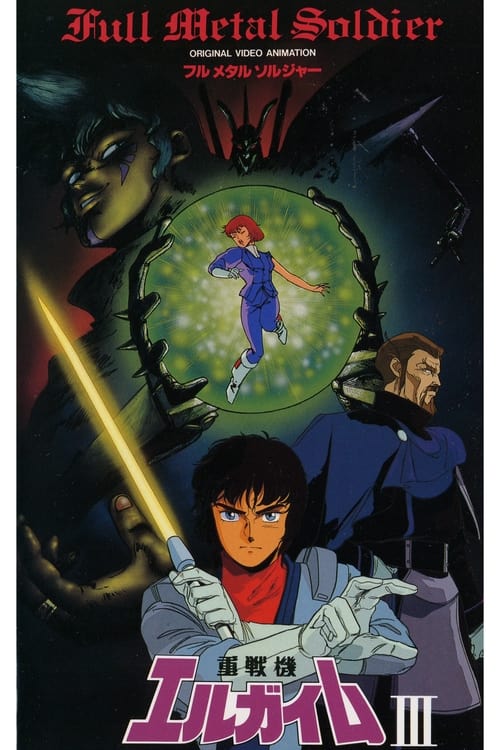
The third movie in the OVA series is a sequel to episode 18, which has new enemies (Cy Quo Adder and Plater Quiz) and new Heavy Metal mechas.
1987
1984
1986
1992
1990
2023
1992
1989
No reviews yet. Be the first to share your thoughts on this movie!
Use the rating form above to leave a star rating and optional review.