
Dragon Ball Z: The Return of Cooler
1992
No user ratings available yet
Representation score: 2.6 out of 10
Representation Score
Minimal
1992
PGDirector
Daisuke Nishio
Runtime
46 minutes
Average Rating
No ratings yetNew Showbiz Analysis
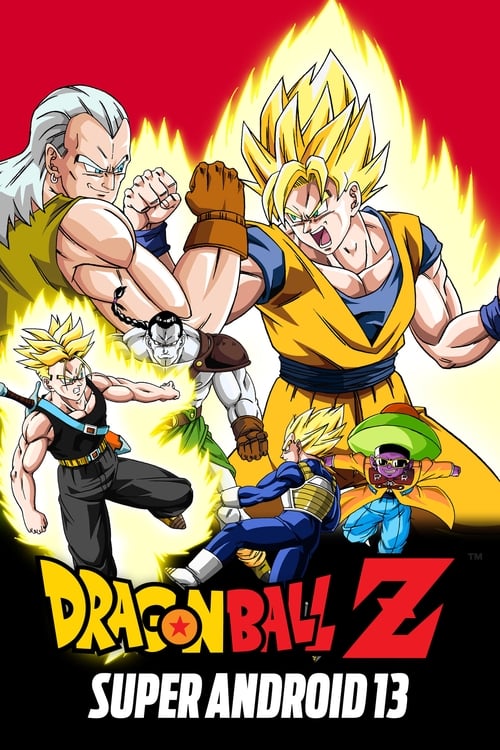
Dragon Ball Z: Super Android 13! is a typical martial arts film that prioritizes action over social complexity. The narrative structure revolves around traditional heroic archetypes and binary moralities, leaving little space for diverse perspectives. The film centers on individual strength and the protection of the established order, focusing on martial arts conflict. It does not aim to represent a globalized or multi-ethnic demographic.
Category Breakdown
There are no LGBTQ+ characters or explorations of non-straight identities in the film. The story focuses solely on martial arts conflicts without any queer subtext.
The film emphasizes a male-dominated warrior class, with protagonists like Goku and Vegeta driving the narrative. Traditional masculine combat and physical dominance are highlighted.
The cast is predominantly Japanese, reflecting the cultural origins of the production. There are no non-human species used to represent diverse ethnic experiences.
The story follows a classic good versus evil binary that upholds the status quo. It does not critique Western institutions or organized religion.
No visible or invisible disabilities are shown with real depth. The androids are used as antagonists rather than nuanced depictions of neurodivergence or physical disability.
Present on Screen
Limited or Absent
Official Synopsis
Dr. Gero's Androids #13, #14, and #15 are awakened by the laboratory computers and immediately head to the mall where Goku is shopping. After Goku, Trunks, and Vegeta defeat #14 and #15, #13 absorbs their inner computers and becomes a super being greater than the original three separately were. Now it is up to Goku to stop him.
1992
1991
1993
1991
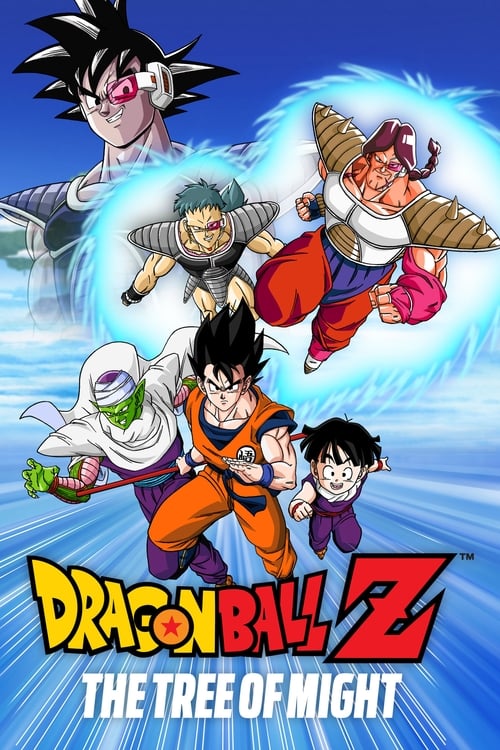
1990
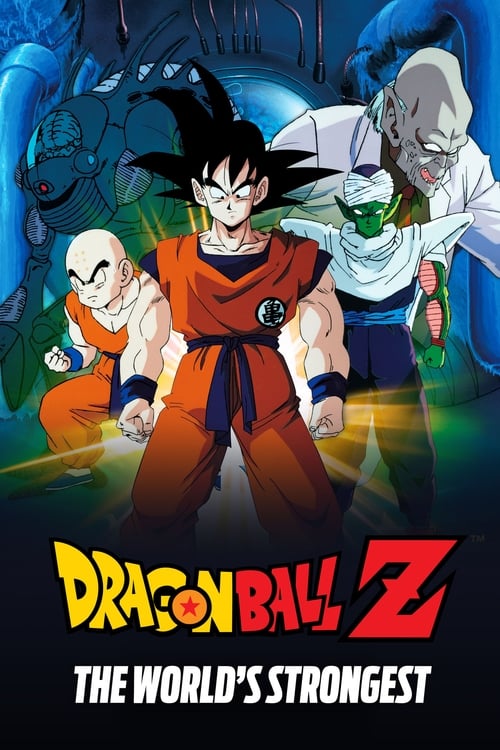
1990
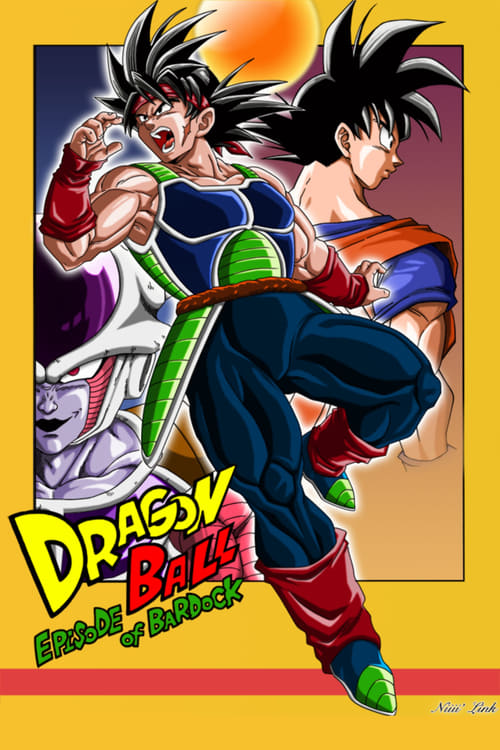
2011
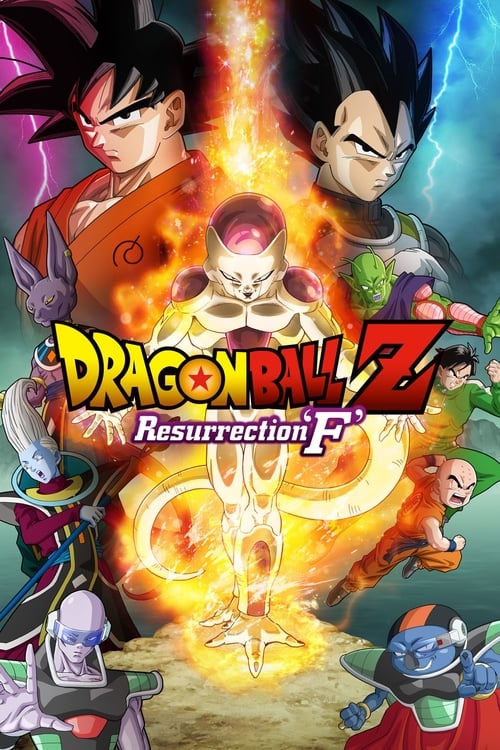
2015
No reviews yet. Be the first to share your thoughts on this movie!
Use the rating form above to leave a star rating and optional review.