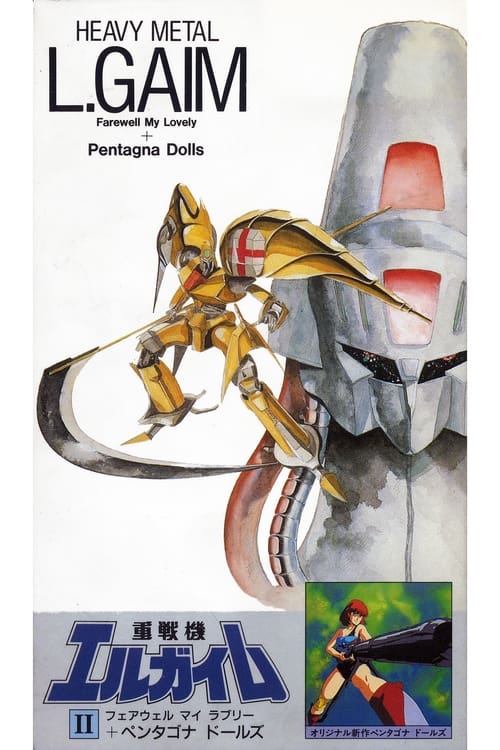
Heavy Metal L-Gaim II: Farewell My Lovely + Pentagona Dolls
1987
No user ratings available yet
Representation score: 6.5 out of 10
Representation Score
Good
1986
TV-MADirector
Tomonori Kogawa, Yoshiyuki Tomino, Osamu Sekita
Runtime
57 minutes
Average Rating
No ratings yetNew Showbiz Analysis
Heavy Metal L-Gaim I stands out through its sophisticated exploration of authority and systemic conflict. Instead of relying on simple morality, the narrative delves into the complexities of individual survival against oppressive institutions. The work excels at challenging traditional social hierarchies and genre clichés. It prioritizes character influence and political nuance over the reinforcement of standard social norms. However, the production lacks explicit representation of LGBTQ+ identities or non-binary gender expressions. Additionally, it provides little depth or influence regarding the portrayal of physical disabilities or neurodivergence.
Category Breakdown
The narrative focuses on traditional science fiction conflicts. There is no explicit mention of non-binary gender identities or same-sex relationships in this compilation.
Female characters play key roles as pilots, politicians, and strategists. This challenges typical gender stereotypes by giving women significant influence and strategic importance.
The space-opera setting uses alien environments to avoid Earth-based racial hierarchies. Characters are defined by their allegiance to factions rather than traditional racial backgrounds.
The story critiques centralized power and institutional corruption. It emphasizes themes of individual rebellion against oppressive colonial structures and systemic control.
There is limited information about the portrayal of neurodivergence or physical disabilities. No specific depth is given to these elements in this work.
Present on Screen
Limited or Absent
Official Synopsis
A summary of the first half of the Heavy Metal L-Gaim series.
1987
1987
1992
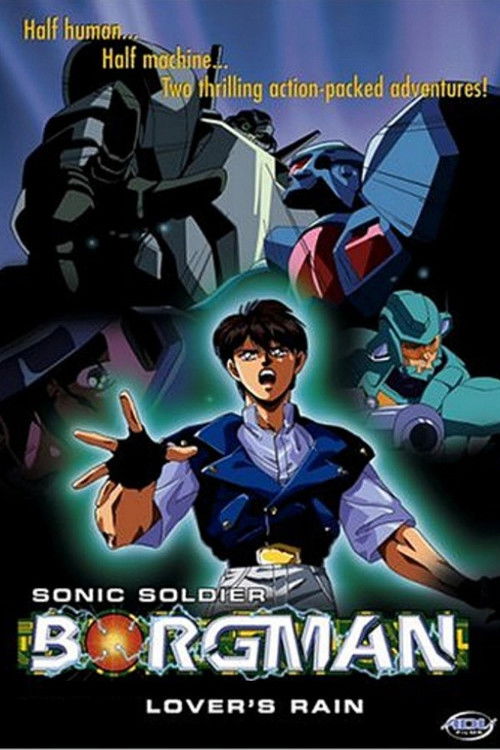
1990
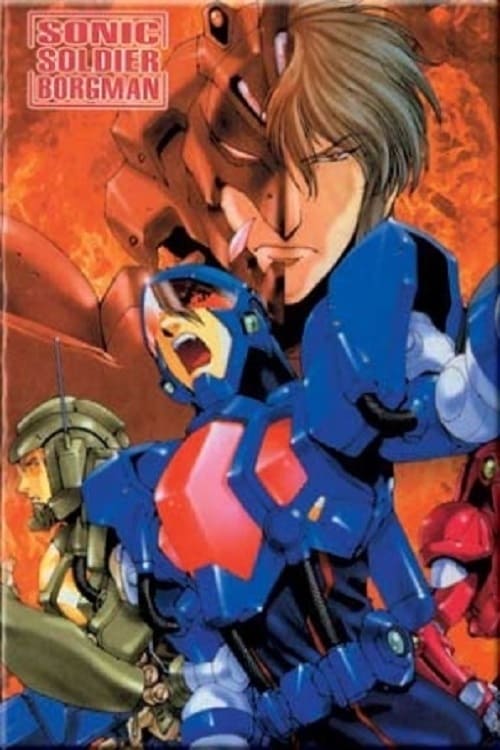
1989
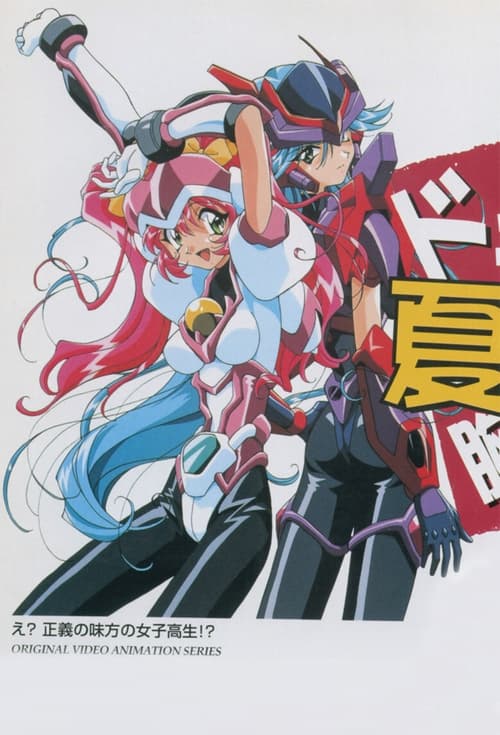
1997

2020
No reviews yet. Be the first to share your thoughts on this movie!
Use the rating form above to leave a star rating and optional review.