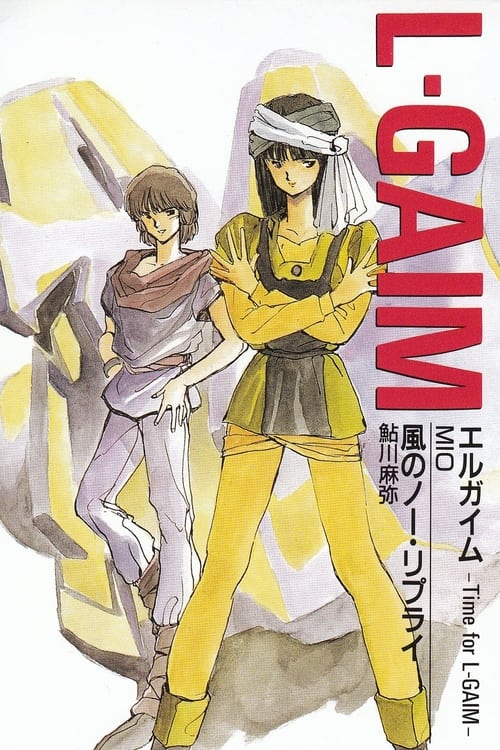
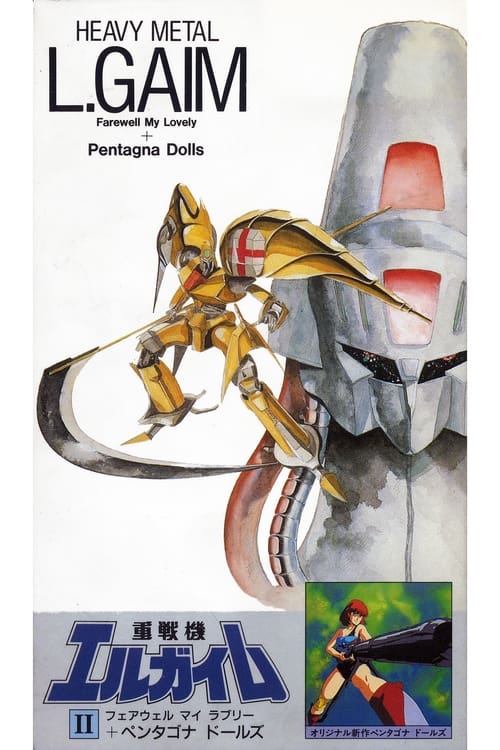
Heavy Metal L-Gaim I: Pentagona Window + Lady Gavlet
1986
No user ratings available yet
Representation score: 7.7 out of 10
Representation Score
Good
1987
TV-MADirector
Tomonori Kogawa, Yoshiyuki Tomino, Osamu Sekita
Runtime
60 minutes
Average Rating
No ratings yetNew Showbiz Analysis
This collection of late-80s OVA content reflects the typical representation of its era. Directors known for deconstructing hero stories contribute, but the anthology format restricts deeper exploration of diverse identities. The film highlights women's significant roles in combat and technology. However, it relies heavily on traditional romantic storylines and lacks clear LGBTQ+ representation. Diversity is expressed through science fiction metaphors, where factional identities replace traditional racial categories, offering a unique but somewhat abstract approach to representation.
Category Breakdown
The film doesn't show clear LGBTQ relationships. Emotional connections between pilots tend to follow traditional romantic storylines typical of 1980s mecha animation.
Female characters play important roles in combat and technology. The story goes beyond simple stereotypes but still follows the conventions of its time.
The space opera setting uses non-human races to represent different backgrounds, replacing traditional racial categories with planetary or factional identities.
The narrative criticizes centralized authority and favors complex, situational ethics over a single moral code.
There are no characters with visible or invisible disabilities that affect their roles. Physical injuries are common in the genre but aren't specifically shown in this film.
Present on Screen
Limited or Absent
Official Synopsis
A summary of the second half of the Heavy Metal L-Gaim series.
1986
1987
1990
1992
1989
2020
No reviews yet. Be the first to share your thoughts on this movie!
Use the rating form above to leave a star rating and optional review.